
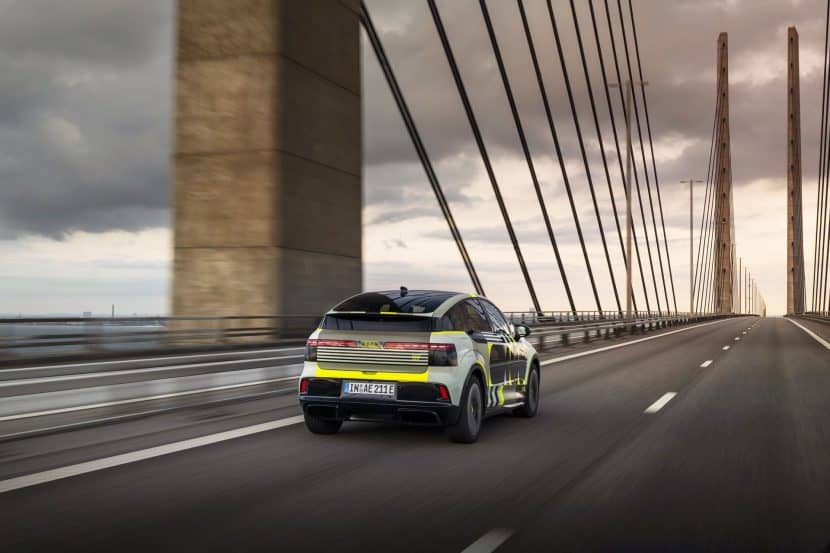


Audi just drew a line in the sand. The A2 e-tron arrives this fall with a preliminary WLTP consumption of 12.8 kWh per 100 km, making it the most efficient car the brand has ever built. BMW’s answer to it, the i1, isn’t expected until 2028.
That two-year gap tells you everything about who is setting the tempo in the compact EV segment right now, and who is still catching up.
CEO Gernot Döllner leaned into the original A2’s legacy explicitly, and the spec sheet justifies the nostalgia. The new car posts a 0.24 drag coefficient, the lowest in Audi’s compact range. The company’s engineers took a Kammback approach, chopping the tail rather than tapering it into a fastback, then layered on air curtains around the front flanks, gap reducers at the wheel arches, and an active cool-air intake that stays sealed shut unless the battery or power electronics actually need cooling.
Audi claims the aero package alone saves up to 0.9 kWh per 100 km.
Under the skin, the drivetrain runs silicon carbide power electronics, thinner motor laminations, and a switch from star to delta stator winding paired with a 10.2:1 final drive. Audi says those changes together deliver a 10 percent efficiency improvement over its previous setup. The single motor makes 140 kW.
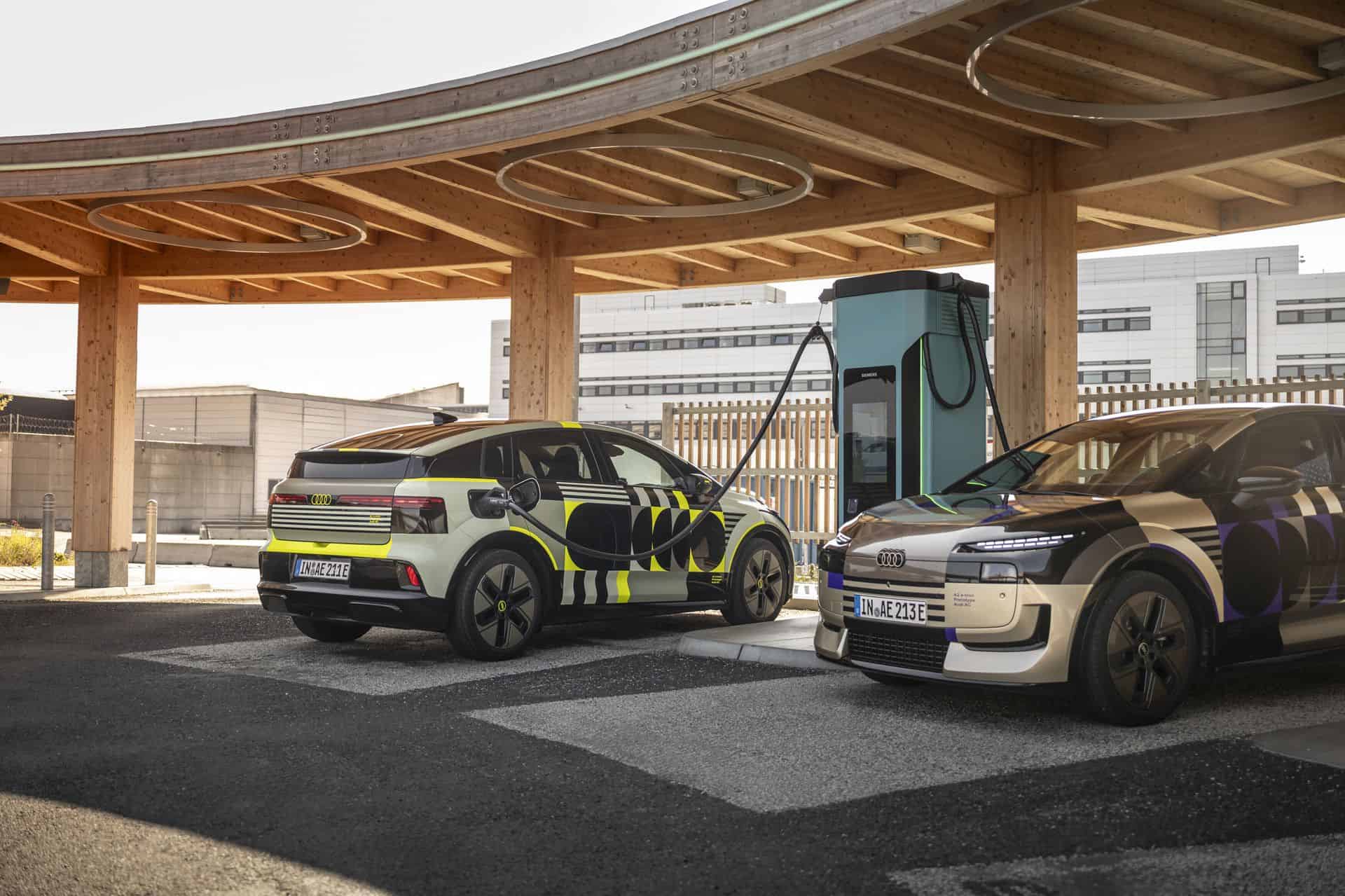
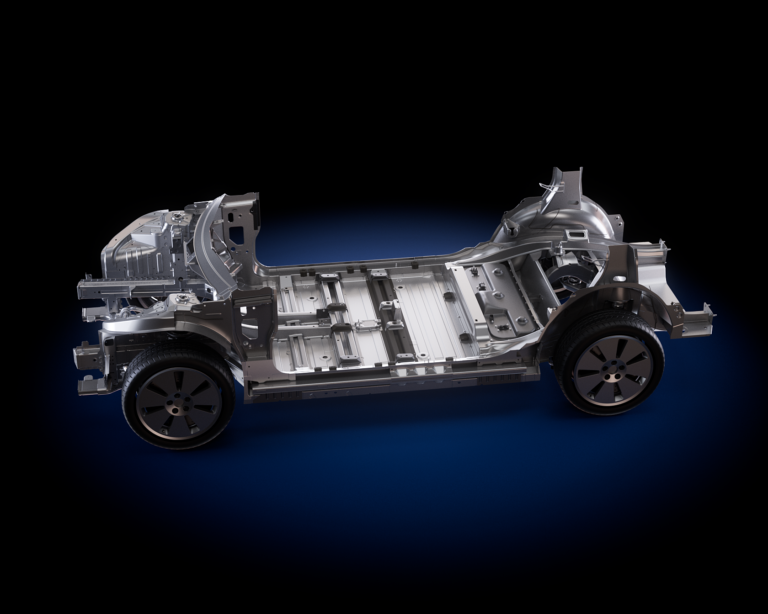
The battery is a 61-kWh lithium iron phosphate unit built cell-to-pack, meaning the cells are bonded directly into the housing with no intermediate modules. LFP chemistry skips rare earth elements entirely, and Audi says the cells degrade slowly enough that owners can charge to 100 percent daily without meaningful wear. That alone is a practical advantage over nickel-rich chemistries that push owners to cap daily charging at 80 percent.
The pack also supports vehicle-to-load and vehicle-to-home discharge, with the latter launching first in Germany, Austria, and Switzerland. Audi credits a chemistry-specific algorithm for monitoring state of charge and state of health, arguing that real-world efficiency depends as much on how well software reads the battery’s condition over time as it does on hardware. Wallbox charging hits 89.6 percent efficiency, a number the company was specific enough about to put on the record.
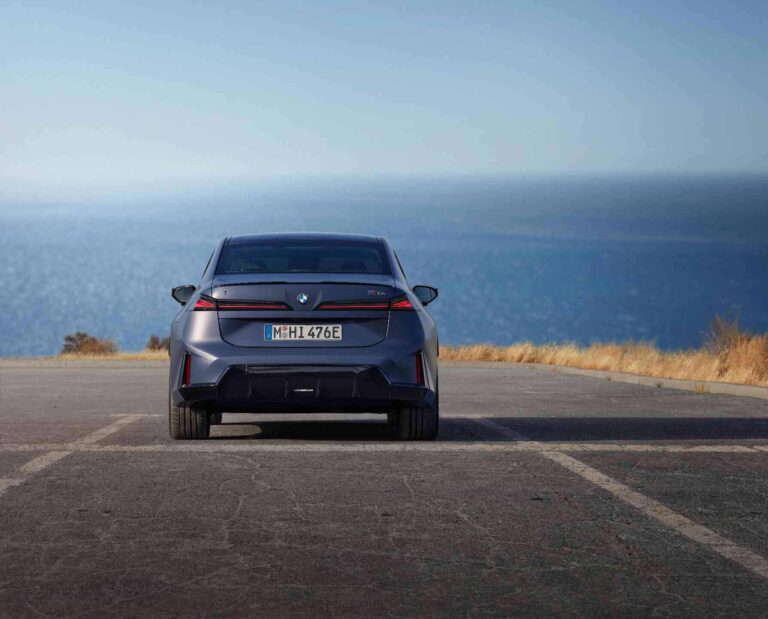
Mercedes already has the CLA in this space. BMW does not. The i1, coded internally as NB0, is built on a variant of the Neue Klasse 800-volt architecture and will switch back to rear-wheel drive after two decades of the 1 Series running front-drive.
That is a meaningful engineering decision aimed at reclaiming the driving character BMW traded away when it went front-drive for cost and packaging reasons. But engineering intent and market presence are different things. BMW can promise a return to rear-drive purity all it wants, but if the i1 doesn’t land until 2028, Audi and Mercedes will have had years to lock in buyers, build charging habits, and establish residual values in a segment where brand loyalty is still up for grabs.
The compact EV fight was supposed to be a three-way brawl between the German giants. Instead it looks more like a staggered start, with Audi sprinting, Mercedes jogging, and BMW still lacing up its shoes. The A2 e-tron’s efficiency numbers are strong enough to hold attention on their own.
The fact that its closest Bavarian rival exists only in renders and internal planning documents makes those numbers hit even harder. BMW has built its modern identity on being first to define a segment’s character. In this one, it is last through the door.

Share this Story