
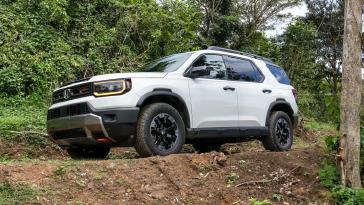


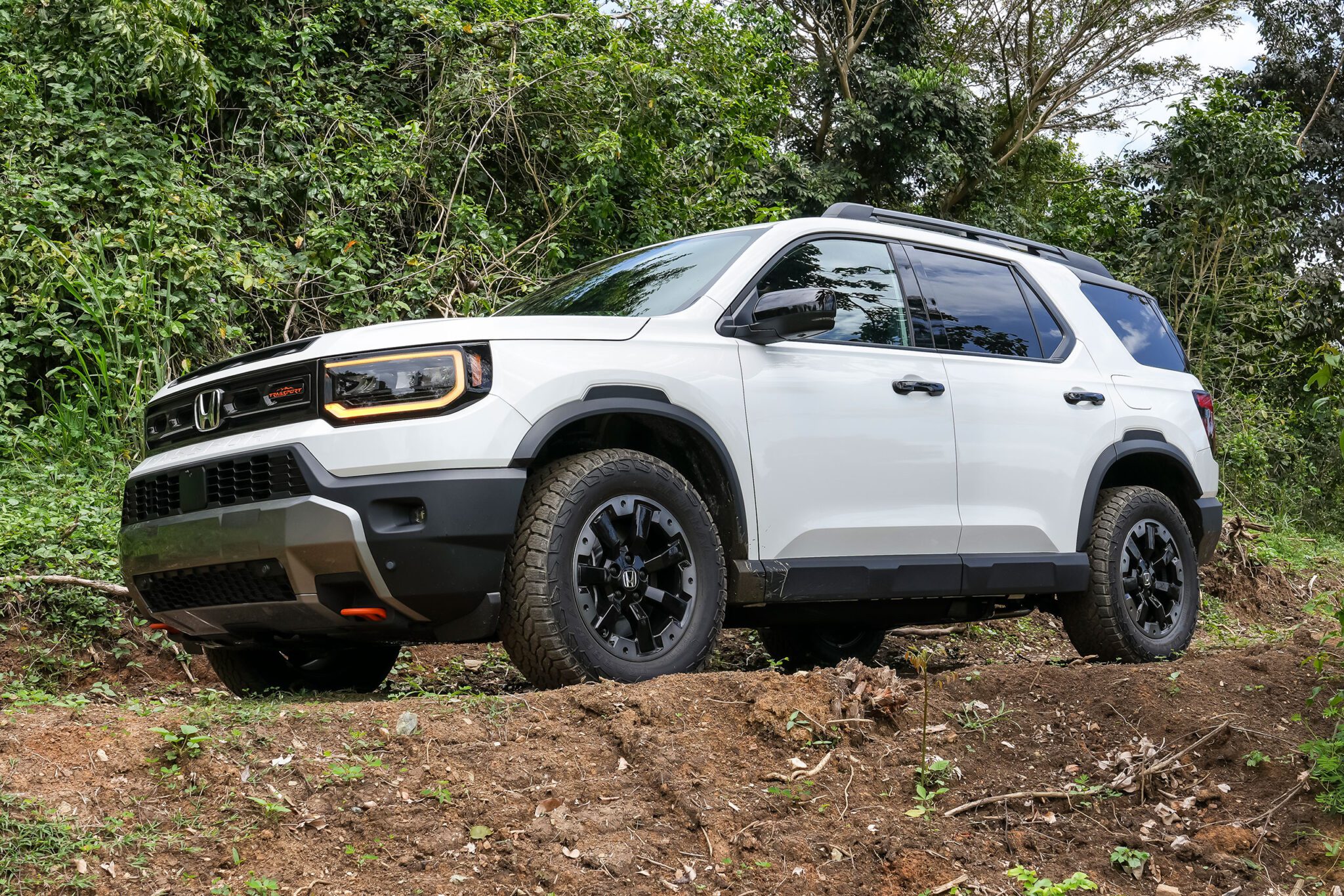
A left-hand-drive American SUV, built in Alabama, sold in a country that drives on the left side of the road. That’s the play Honda is making with the Passport TrailSport Elite, announcing plans to export the U.S.-built model to Japan starting in the second half of 2026.
But the Passport isn’t going alone. It will be joined by the Acura Integra Type S, marking the first time an Acura-badged vehicle has ever been sold in Japan. Both models will retain their American specifications wholesale, steering wheel included, targeting a niche enthusiast audience rather than volume sales.
The projected numbers tell the story: just 5,000 to 6,000 combined annual units, according to Sam Fiorani of AutoForecast Solutions. Honda itself declined to offer its own sales estimates.
This is not a new idea. Honda became the first Japanese automaker to ship its own U.S.-made vehicles back to Japan in March 1988, sending Accord Coupes and Gold Wing motorcycles from Ohio. Since 1987, the company has exported more than 1.75 million vehicles from American plants to global markets, nearly 300,000 of them to Japan.
But the current move carries a different kind of weight.
Trade imbalance is the elephant nobody at Honda headquarters wants to name directly. United Nations Comtrade data shows $34 billion worth of vehicles flowed from Japan to the U.S. last year. Just $1 billion went the other direction. Shipping a few thousand Passports and Integras won’t close that gap, but it sends a signal — especially as Japan’s transport ministry has simplified inspection rules for American-built vehicles entering the country.
Toyota and Nissan are reportedly eyeing similar reverse-import strategies. Honda just got there first. Again.
The fourth-generation Passport has been a genuine hit stateside. It posted its best sales year ever in 2025, with the TrailSport trim accounting for roughly 80 percent of the mix. The model consistently ranks in the top 10 of the Cars.com American-Made Index.
Its 285-horsepower 3.5-liter V6 — also built in Alabama — will be offered in the Japanese market for the first time. Honda showed the Passport at both Tokyo Auto Salon and Osaka Auto Messe earlier this year, where the company says visitor interest ran high. Whether curiosity translates to purchase orders for a left-hand-drive truck in a right-hand-drive country remains an open question.
Not everyone inside Honda’s orbit is cheering. Andy Wright, managing partner of Vinart Dealerships in eastern Pennsylvania, voiced concerns about resource allocation. “Honda dealers need every resource at our disposal to maximize market share in a very competitive U.S. marketplace,” he said.
Honda limped through parts of 2025 dealing with chip shortages, thin inventories, and soft passenger car sales before closing the year at 1.43 million units. Honda counters that it’s exporting two specific trims, not entire model lines, meaning American supply shouldn’t take a meaningful hit. That calculus changes if the export list grows — and the Ridgeline is reportedly already under consideration.
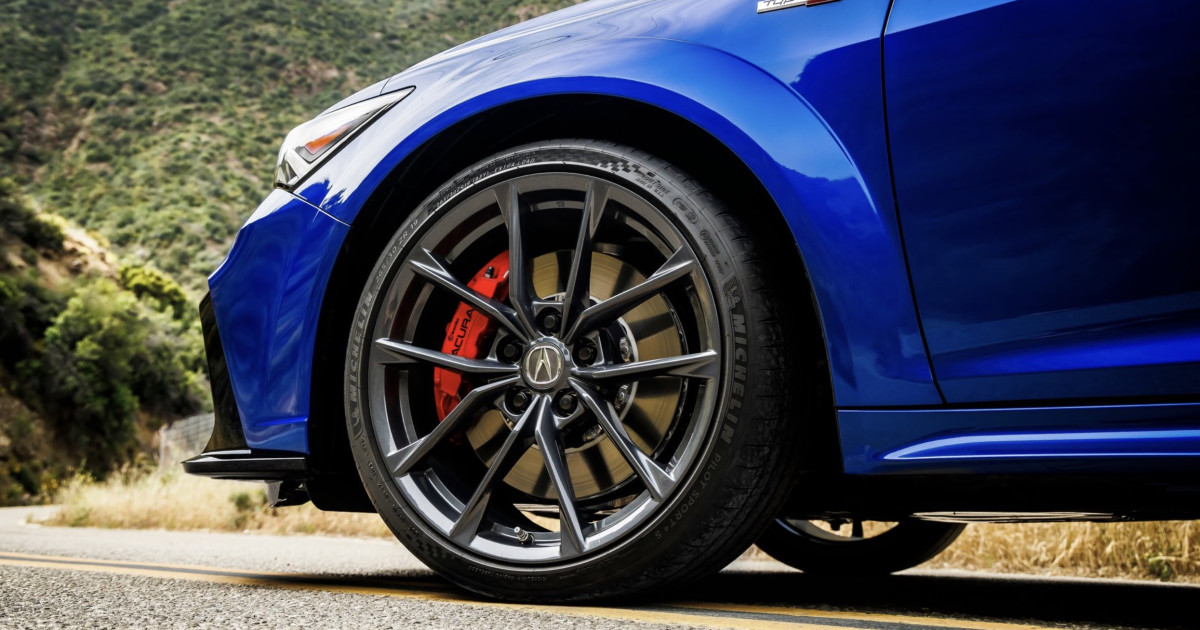
The Integra Type S angle is the one that will stir enthusiasts. The original Integra launched Acura in America in 1986 as a Japanese import wearing a new badge. Forty years later, the 320-horsepower Type S goes the other direction — an American-built car wearing the brand Japan never had.
Acura has always been a North American construct. Honda products sold in Japan carried Honda badges, full stop.
Jun Jayaraman, senior vice president of Honda’s U.S. manufacturing operations, framed the exports as a point of pride. “From the onset, Honda has believed in our American manufacturing talent,” he said.
Pride is one motivation. Trade politics is another. And the willingness to sell a left-hand-drive SUV in Tokyo suggests Honda is playing a longer game than the unit count implies.

Share this Story