
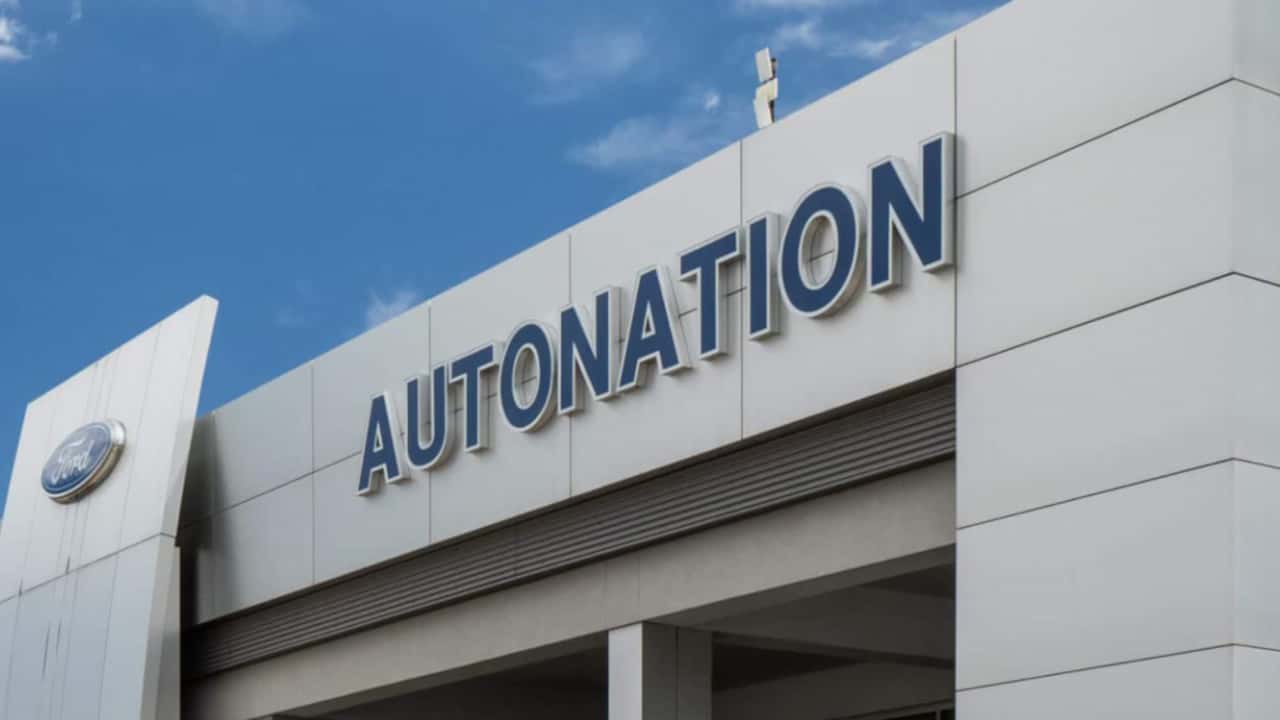


The Federal Trade Commission just put 97 car dealers on blast, releasing a list of dealerships it warned about deceptive pricing practices back in March. The names read like a who’s who of American auto retail: AutoNation, Lithia Motors, Hendrick Automotive Group, Sonic Automotive, Berkshire Hathaway Automotive, Group 1 Automotive, Ken Garff, Ken Ganley.
These aren’t back-lot operators scraping by on volume. These are publicly traded, multi-billion-dollar companies with hundreds of rooftops between them.
The FTC’s letters, sent in March but only tied to specific dealerships in late May, warned recipients they may be advertising prices lower than what they actually charge consumers. The agency flagged several suspect tactics: tacking on fees not reflected in advertised prices, conditioning the sticker on using dealer financing, and even advertising vehicles that don’t exist.
That last one deserves a moment. In 2025, with every transaction leaving a digital trail, some dealers are apparently still running phantom inventory to get people through the door. The bait-and-switch hasn’t evolved. It just moved online.
The FTC was careful to note the letters don’t constitute findings of guilt. The language is lawyered up tight: “This letter is not intended to represent any conclusions on whether your dealership or dealership group is engaging in these practices.” It’s a shot across the bow, not an indictment.
But the list itself is the punishment. Being named publicly alongside operations called “Supreme Motors LLC” and “Titanium Motors Inc.” is not the kind of company AutoNation or Hendrick wants to keep. The reputational sting is immediate, even if no fine ever follows.
The 97 dealers span the country, from Rairdon’s Honda of Burien in Washington to South Shore Nissan in New York, from Mac Haik Auto Group in Texas to Serramonte Subaru in California. The geographic diversity suggests this isn’t a regional problem. It’s an industry habit.
And it’s an old one. Junk fees, buried add-ons, and misleading online pricing have been consumer complaints for decades. The FTC under the Biden administration attempted to address this with its CARS Rule in 2024, which would have required dealers to list a true total price upfront. Industry groups sued. The rule got tangled in courts. What remains is this: strongly worded letters.
The timing is notable. New car payments now average more than $800 a month. Consumers are already stretched, and discovering at the F&I desk that the advertised price requires dealer financing or comes with $2,000 in undisclosed fees turns frustration into fury.
Every dealer on this list would say they follow the law. Most would point to fine print. But the FTC’s concern isn’t about what’s buried in disclaimers. It’s about what the consumer sees first, the number that gets them to click or call or drive across town.
Tesla proved years ago that fixed pricing, love it or hate it, eliminates one of the biggest friction points in car buying. Rivian, Scout, and others are watching this space closely. Every time a traditional dealer plays games with a sticker price, the case for direct-to-consumer sales gets a little stronger in statehouses across the country.
The franchise dealer lobby remains the most powerful force in automotive retail politics. But consumer trust is a finite resource. Ninety-seven warning letters won’t change the industry overnight. The question is whether the dealers on that list see this as a wake-up call or just another piece of mail.
History suggests the latter. The FTC will need more than letters if it wants to change behavior that has been baked into the business model for generations. But at least now, the names are public. Shoppers can decide for themselves what that’s worth.
Share this Story