
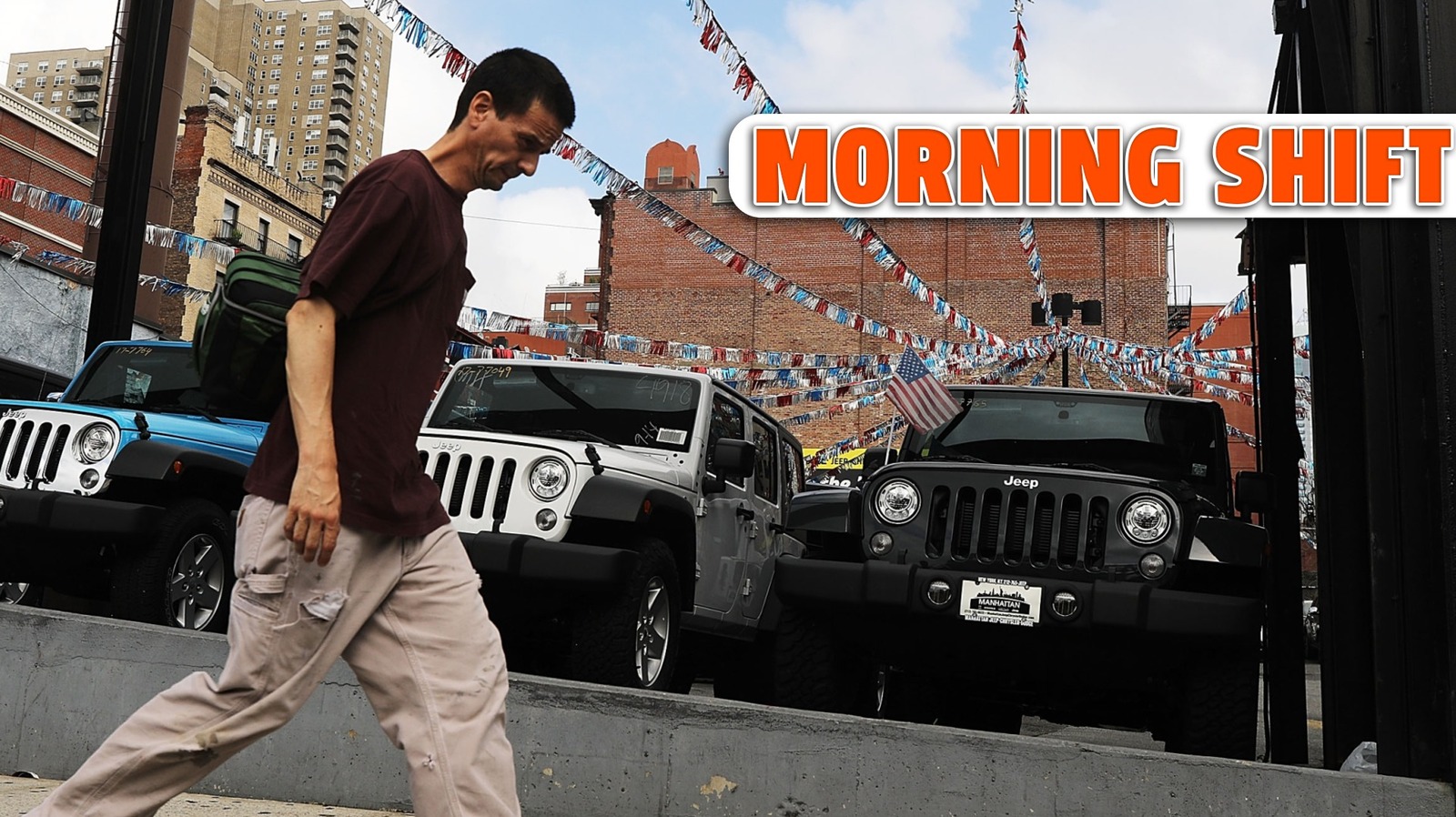


Inflation hit 3.8 percent year over year in April, the hottest read in three years. Consumer confidence slipped again in May. Gas sits at $4.22 a gallon.
Interest rates remain punishing. A war in the Middle East grinds on. And yet Americans bought an estimated 1.44 million new vehicles last month, topping year-ago levels for the first time in seven months.
The auto market is not supposed to work like this.
“I think that the American consumer is going to be doing what they do best, and that’s spend money,” said Patrick Manzi, chief economist at the National Automobile Dealers Association. He acknowledged plenty of macro indicators “aren’t too hot,” then essentially shrugged. People love buying cars.
He’s not entirely wrong, but the explanation is more surgical than that. The new-car market quietly purged its most price-sensitive buyers years ago. Average transaction prices blew past $50,000 for the first time last September, the culmination of a post-pandemic repricing driven by supply shortages, upsizing trends, and expensive EVs flooding showrooms.
The customers still writing checks for new metal tend to have stock portfolios fattened by the AI boom. They are, for now, insulated.
The new-car market has eliminated a lot of buyers just from a pricing standpoint,” said Jessica Caldwell, head of insights at Edmunds. The less flush migrated to used lots. What remains is a wealthier, more resilient buyer pool — one that doesn’t flinch at $700 monthly payments the way a median-income household would.
Judy Farcus Serra, COO and CFO at Headquarter Automotive, confirmed a slight uptick in showroom traffic from buyers who had been sitting on the fence. They hesitated, she said, but ultimately still needed a car.
That’s the tension underneath the stable topline numbers. Demand isn’t growing. It’s concentrating.
The Cox Automotive Dealer Sentiment index for future market conditions dropped 16 percent from the first quarter. Hiring has slowed. The Conference Board’s confidence gauge keeps leaking. Every traditional recession signal is amber or red, yet the sales chart flatlines instead of cratering.
History says this doesn’t last. Light vehicle sales have tracked recessions closely for decades. The argument that the industry is now decoupled from the broader economy because it only serves wealthy buyers is seductive — and dangerous.
Wealthy buyers still react to collapsing equity markets, rising unemployment among their customers, and geopolitical shocks that rattle portfolios.
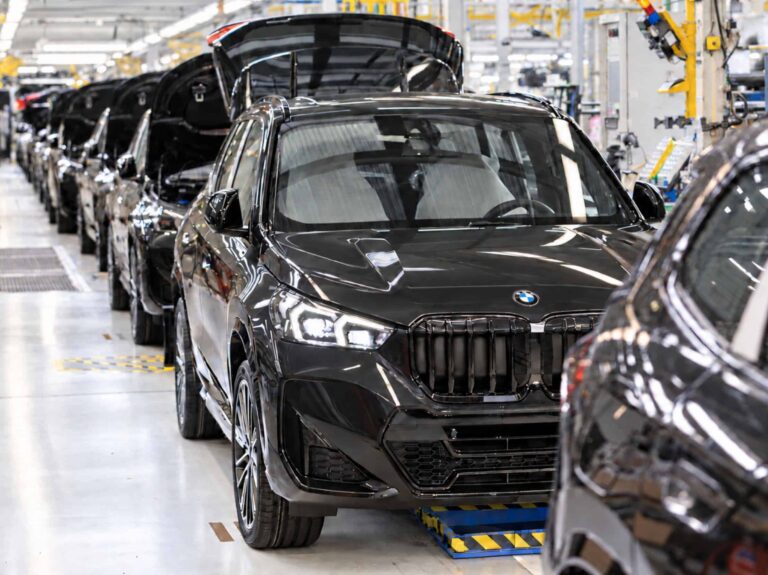
German automakers already feel the squeeze. BMW, Mercedes-Benz, and Volkswagen saw collective revenue contract 4 percent in the first quarter while Japanese and American manufacturers grew. EY analyst Constantin Gall called 2026 “another crisis year” for German auto, citing losses in the U.S. and China, overcapacity, and the slow EV ramp-up.
The Iran conflict is layering fuel-price anxiety on top of an already bruised European demand picture.
Meanwhile, Ford kicked off June with its 40th recall of the year — 4,653 Bronco Sports and Mavericks pulled for a steering-control risk so severe the company told owners not to drive them. No other manufacturer has more than 17 recalls this year. Ford has already swept 10.2 million vehicles into recall actions in 2026, closing in on the 12.9 million that made 2025 a record.
Executives insist the cars rolling off lines today are the best they’ve ever built. The math suggests otherwise.
And Tesla? Its Shanghai factory pushed 85,982 Model 3 and Model Y deliveries in May, up 39 percent year over year, the seventh straight month of growth. A quieter Elon Musk, it turns out, sells more cars than a loud one.
European registrations rebounded. But BYD is pressing hard, covering accident compensation for its driver-assistance tech while Tesla still waits for Chinese regulatory approval on its most advanced features.
The American car market is running on the fumes of affluence while every economic dashboard blinks yellow. The buyers who remain can afford to ignore the signals — until they can’t. Nobody rings a bell at the top.
Share this Story