
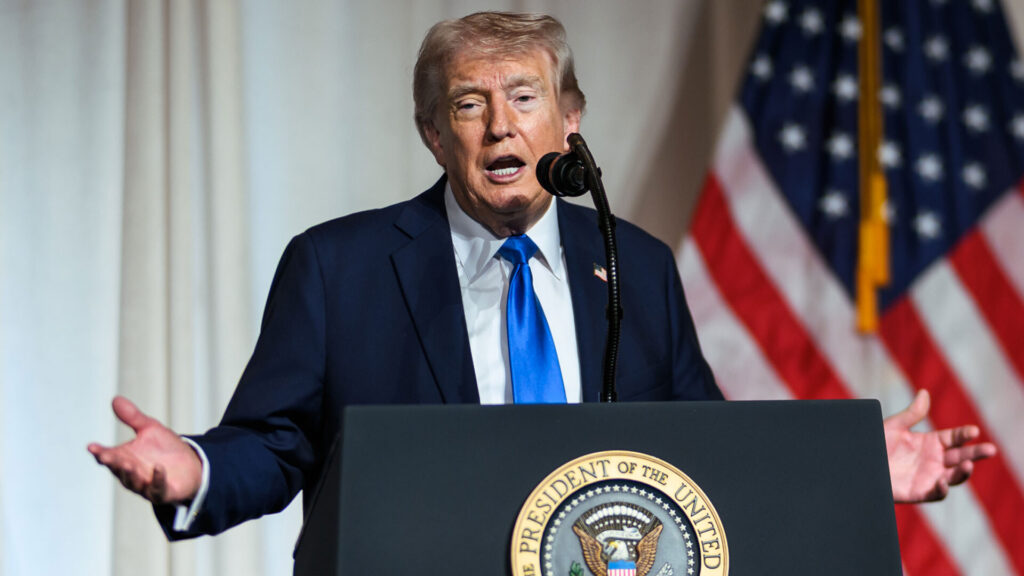


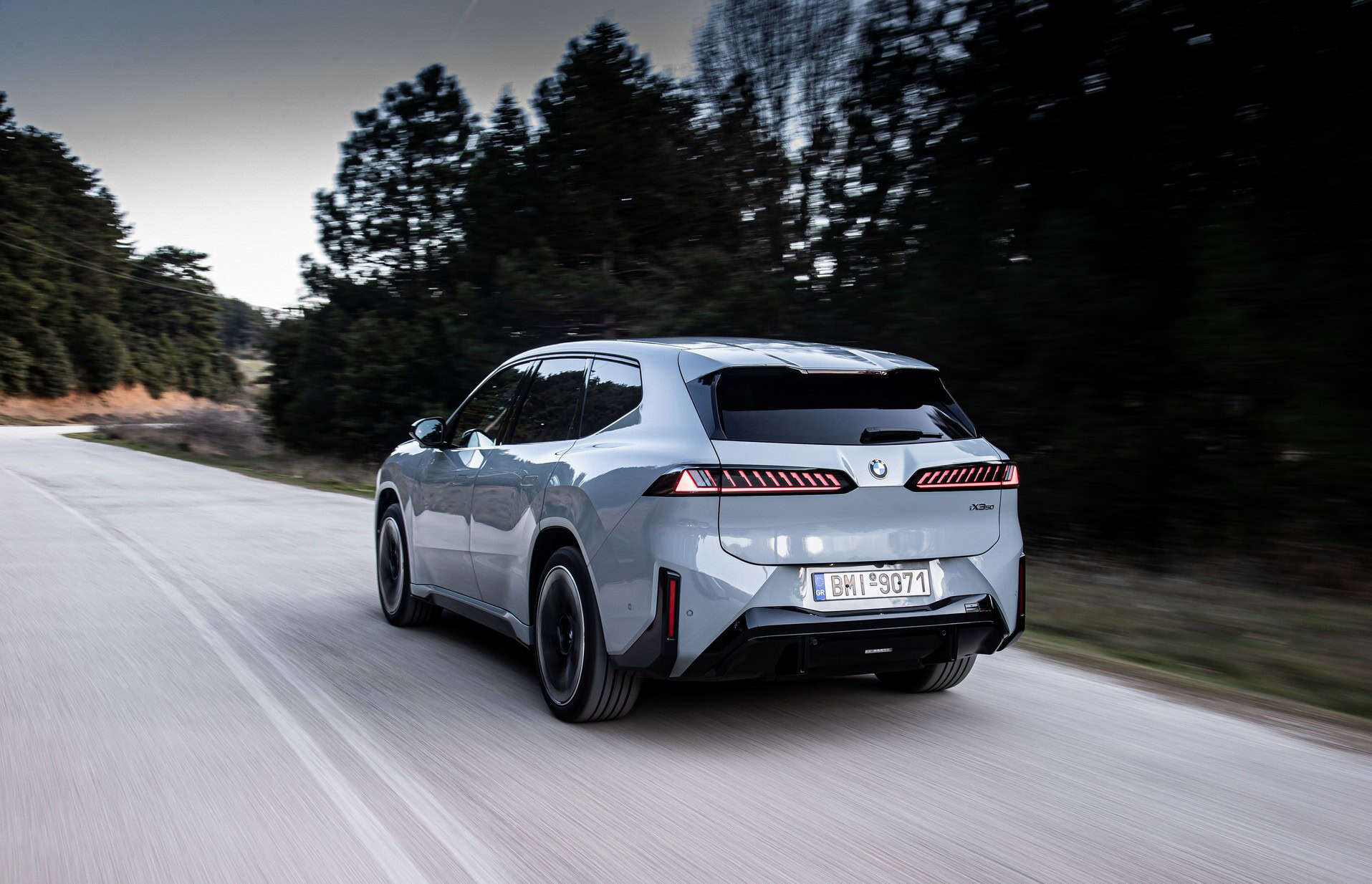
Donald Trump announced Friday he will jack up tariffs on European cars and trucks to 25%, blowing a hole in the trade framework he personally negotiated at his own Scottish golf course less than twelve months ago.
The president accused the EU of “not complying with our fully agreed to trade deal” but offered zero specifics when pressed by reporters. “They were not adhering to it,” he said, leaving the White House for Florida. That was the entire explanation.
The Turnberry Agreement, signed last July, had set tariffs on most European goods at 15% — a reprieve from the 30% “Liberation Day” levies Trump had originally threatened. Europe agreed to boost investment in the US and open its markets to more American exports. Both sides called it a win. That was then.
The European Commission fired back with controlled fury, saying it was implementing its commitments “in line with standard legislative practice” and had kept Washington informed throughout. The kicker: “We will keep our options open to protect EU interests.”
Bernd Lange, chair of the European Parliament’s trade committee, was far less diplomatic. He called Trump’s behavior “unacceptable” and said the US itself had “repeatedly breached the agreement,” pointing to steel and aluminum products now facing average tariffs of 26%. The EU had expected the auto deal alone to save European manufacturers between 500 million and 600 million euros a month.
The timing is brutal. The global economy is already staggering from the Iran war’s impact on energy markets, with the effective closure of the Strait of Hormuz driving up oil and gas prices. US inflation climbed to 3.3% in March, higher than what Trump inherited, and just 30% of Americans approve of his economic stewardship heading into November’s midterms.
Trump’s pitch to European automakers was characteristically blunt: build in America and pay nothing. If they produce Cars and Trucks in U.S.A. Plants, there will be NO TARIFF,” he wrote on Truth Social. He claimed billions are pouring into domestic auto plants at record levels.
The legal terrain underneath all of this has shifted dramatically. The Supreme Court struck down Trump’s original “Liberation Day” tariffs, ruling he lacked authority under the International Emergency Economic Powers Act to declare an economic emergency and levy duties. His administration is now scrambling through Section 301 investigations and could lean on Section 232 national security provisions — the same authority used to slap 25% tariffs on foreign autos back in March 2025, before the Turnberry deal brought them down.
Scott Lincicome of the Cato Institute nailed the fundamental problem: “These trade deals are vaporware. They all rely on handshakes and winks and hopes that Trump doesn’t get mad about something.”
The EU-US trade relationship is enormous — 1.7 trillion euros in goods and services in 2024, roughly 4.6 billion euros flowing every single day. Disrupting that over an unspecified grievance, against a deal both parties publicly celebrated, tells you everything about how durable any agreement with this White House actually is.
Europe has been here before. The European Parliament had already suspended approval of the deal once, over Trump’s threats to annex Greenland. When it finally ratified the agreement in March, lawmakers inserted a clause allowing suspension if Washington “undermined the objectives of the deal” or “engaged in economic coercion.” That clause now looks less like caution and more like prophecy.
Jennifer Safavian, who leads the trade group representing foreign automakers’ US operations, warned the hike “would threaten the progress that has already been made.” Trade expert Simon Evenett offered a sliver of hope: “Social media posts aren’t law, so Brussels will want to see the fine print before deciding to hit back.”
The fine print, assuming it ever arrives, will matter. But the message already landed.

Share this Story