
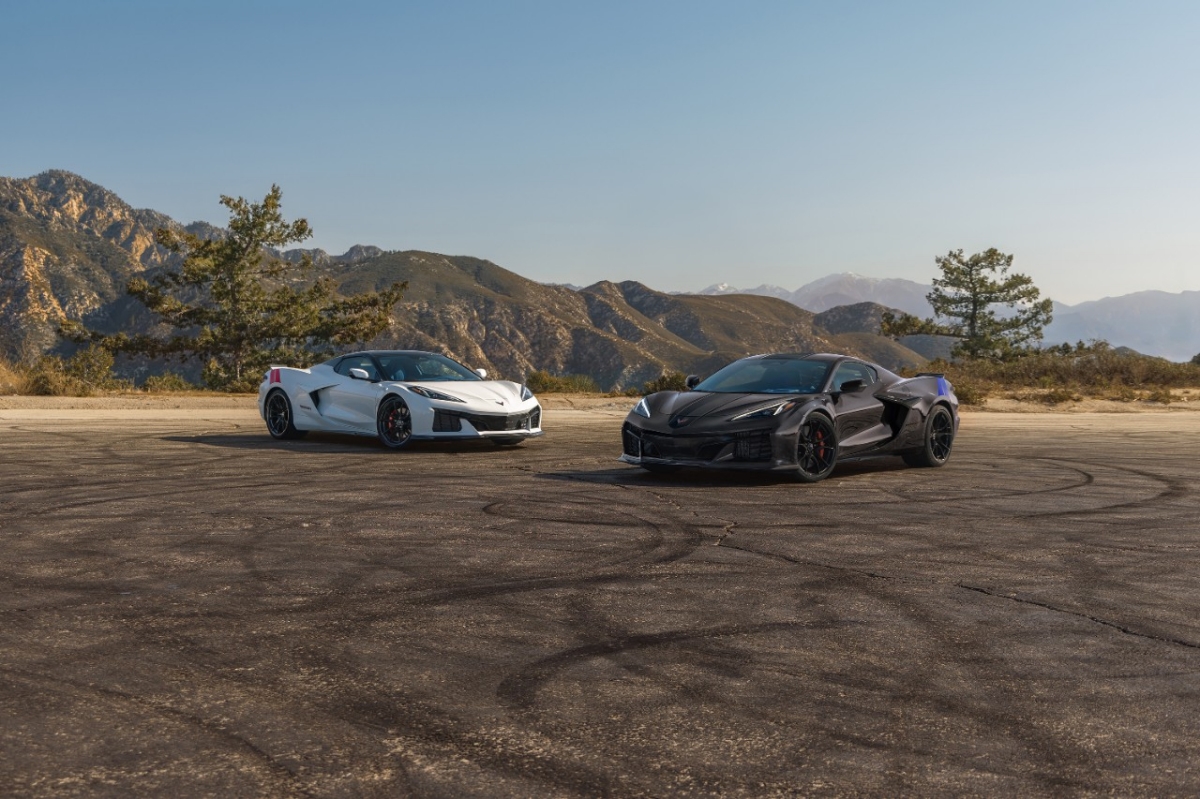


Chevrolet just buried the displacement debate. The 2027 Corvette Grand Sport and Grand Sport X arrive packing a 6.7-liter naturally aspirated V8 that makes 535 horsepower and 520 lb-ft of torque, more twist than any naturally aspirated V8 in production. The company calls it the LS6, and it marks the beginning of GM’s sixth generation of Small Block V8s.
Forget the hand-wringing about electrification killing the pushrod V8. Chevrolet is betting the heart of the Corvette lineup on 409 cubic inches, a 13.0:1 compression ratio, and a tunnel-ram intake with a 95-mm throttle body. The LS6 replaces the current 6.2-liter LT2 as the standard engine across Stingray, Grand Sport, and Grand Sport X, and GM says the architecture will soon trickle into other V8-powered Chevrolets.
That’s not a footnote. That’s a roadmap.
Production returns to GM’s Flint Engine Operations in Michigan, the same city where the first Corvette V8s were assembled in 1955. Symbolism aside, the engineering is serious: forged pistons and rods, a redesigned lubrication system built for sustained high-load abuse, and revised exhaust manifolds. This engine was designed to live on a racetrack, not just visit one.
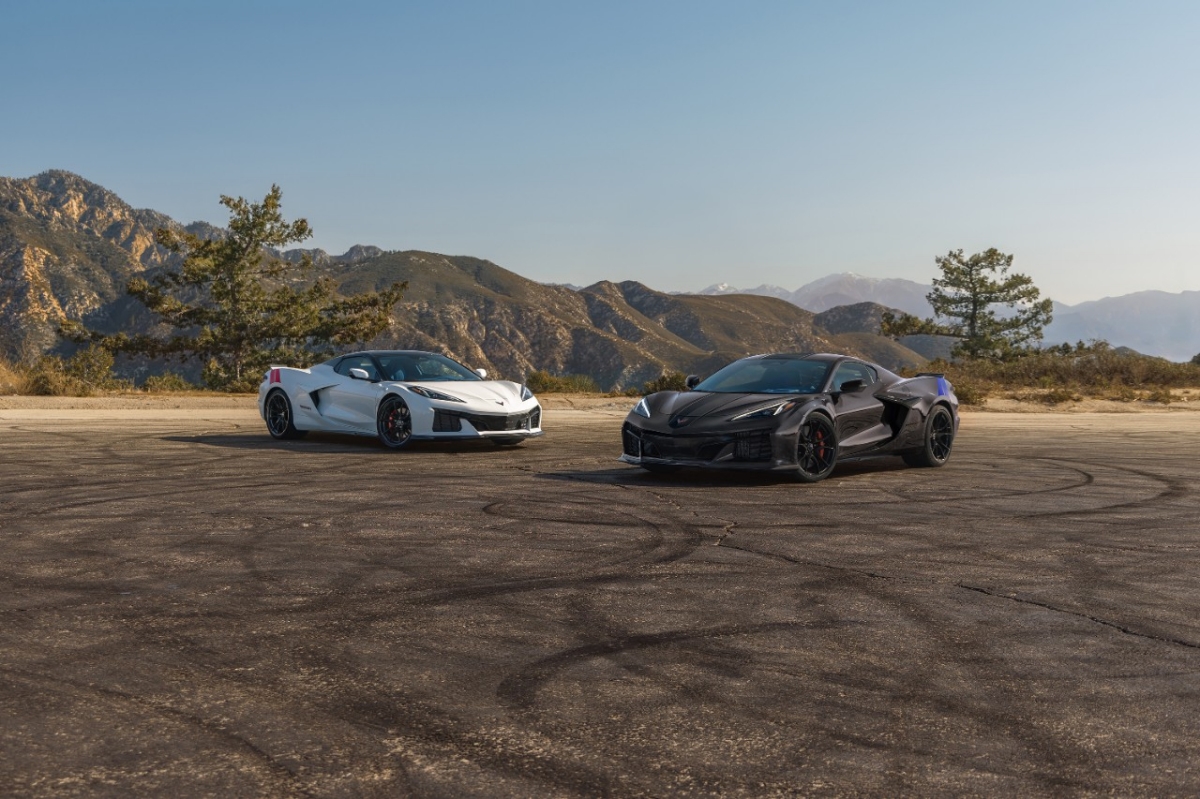
The Grand Sport itself stays rear-wheel drive, channeling the purist formula that’s defined the nameplate since Zora Arkus-Duntov built five lightweight C2 racers in the early 1960s. Magnetic Ride Control is standard. The available Z52 Sport Performance Package borrows iron brakes from the Z06, while the Z52 Track Performance Package adds carbon-ceramic brakes, Michelin Pilot Sport Cup 2R tires, carbon-fiber aero elements, and what Chevrolet claims is the most track-capable Grand Sport ever built.
Then there’s the Grand Sport X, and this is where the story forks. Bolt an electric motor to the front axle, add a compact battery pack borrowed from the ZR1X, and suddenly the Grand Sport makes 721 combined horsepower with eAWD grip. The X badge now formally denotes electrified all-wheel drive across the Corvette range.
The hybrid system isn’t just about traction. Grand Sport X offers three track-focused power strategies: Endurance mode for sustained lapping, Qualifying mode for outright pace, and Push-to-Pass for on-demand maximum thrust. There’s also a Stealth mode that runs electric-only up to 50 mph, letting the car whisper through neighborhoods on its front motor alone.
A 721-horsepower car that can sneak out of your driveway at dawn. That’s a trick worth noting.
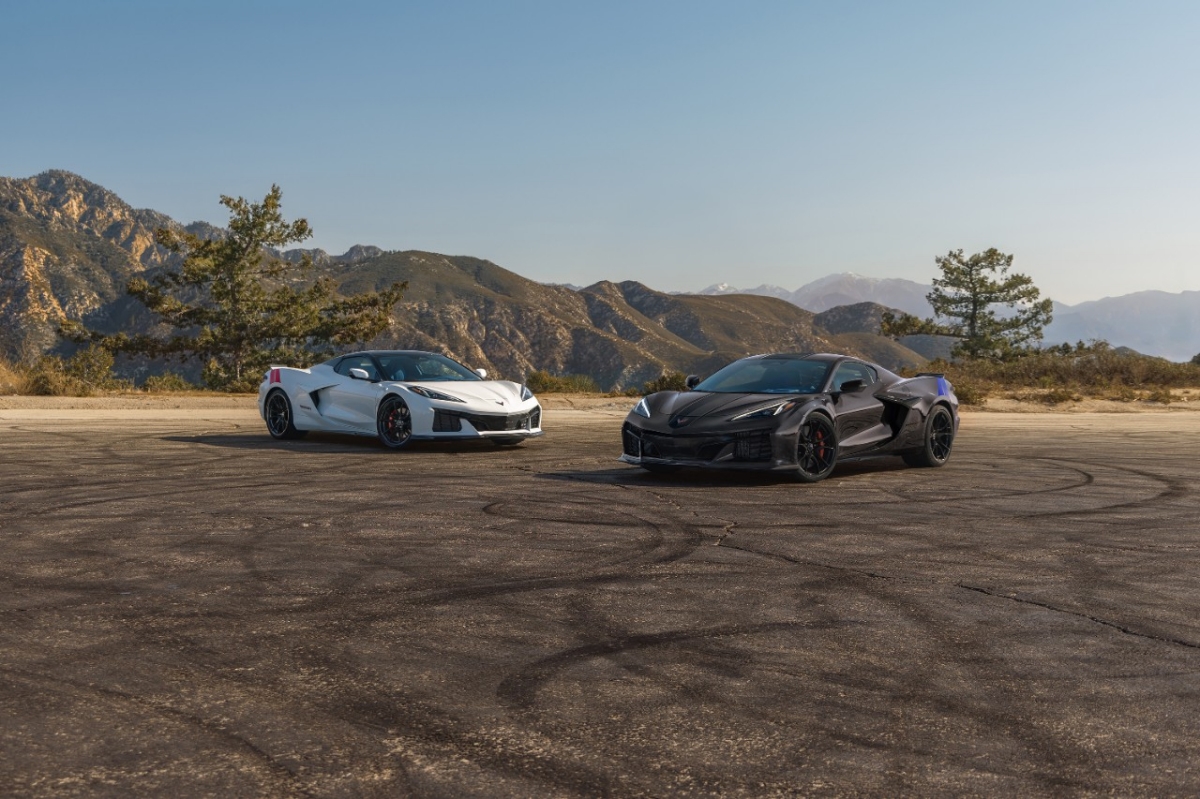
Visually, the Grand Sport heritage cues are intact but relocated. The signature fender hash marks move to the rear for the first time, acknowledging the engine’s mid-mounted position. Admiral Blue Metallic returns from the C4 era, enabling the classic blue-body, white-stripe, red-hash livery.
A Launch Edition interior drenches the cabin in Santorini Blue with red stitching, embossed headrests bearing the Grand Sport plan-view outline, and a personalized waterfall speaker plaque. It’s the kind of detail that separates a trim level from an event.
The 2027 Stingray also benefits from the LS6 upgrade, making it the most powerful standard-engine Corvette ever sold. Its Z51 package gets a shorter 5.56:1 final drive and a new Michelin Pilot Sport S 5 tire. Chevrolet expects Stingray and Grand Sport combined to account for the vast majority of Corvette volume.
Assembly begins this summer at Bowling Green. Pricing hasn’t been announced, but the positioning is clear: Grand Sport has always been the sweet spot between base Stingray and the exotics further up the range. Now it carries the biggest, most powerful naturally aspirated V8 Chevrolet has ever dropped into that slot.
While rivals chase turbos, superchargers, and full electrification, Chevrolet’s answer is almost confrontational in its simplicity. More cubic inches. More torque. No boost. The Small Block V8 just turned 70, and it’s picking fights like it’s 25.


Share this Story