
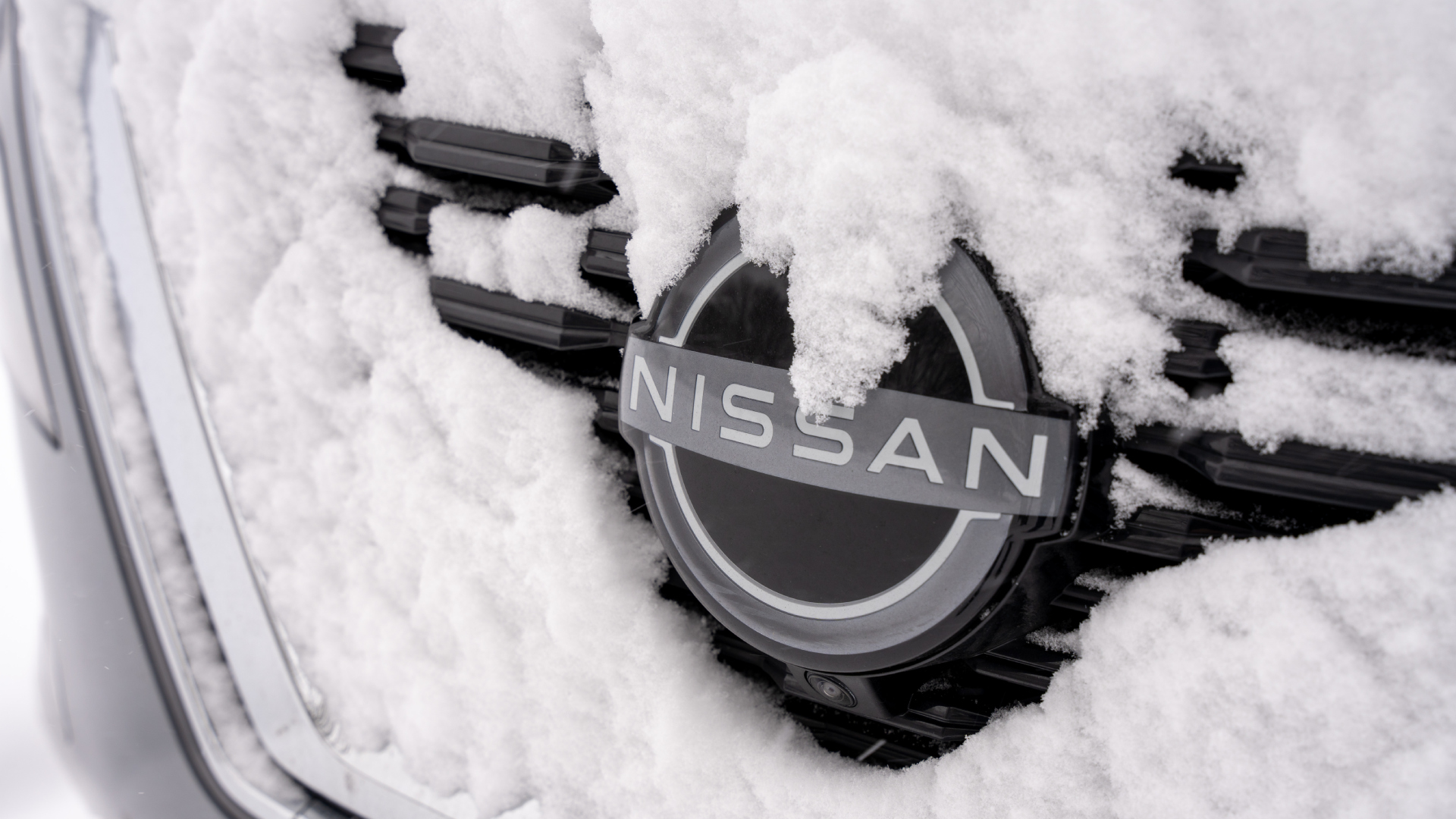


Toyota was first. Now Nissan has drafted its own internal bulletin warning of severe motor oil supply constraints, confirming that this isn’t a single-brand hiccup but an industry-wide squeeze with real consequences for every car owner in America.
The Nissan bulletin, obtained by The Drive and confirmed as authentic by a Nissan spokesperson, lays out a brutal number: a 45% cut. Allocation of Nissan Genuine Oil, including Mobil and Mobil 1 variants, would be capped at 55% of prior-year volumes. Bulk and packaged oil, same deal.
The effective date listed was May 1, 2026, though Nissan says the memo was never actually distributed to dealers. That distinction matters. The bulletin exists, it’s real, but it’s sitting in a drawer.
Things haven’t gotten bad enough to pull the trigger — yet.
The cause, according to the document’s customer talking points, is “ongoing global supply constraints impacting key raw materials and refining inputs due to the Middle East Conflict.” Reduced refining capacity means less lubricant production across the board. Nissan’s bulletin explicitly notes this affects all automakers, not just its own network.
A spokesperson offered the predictable corporate cushion: “Nissan is closely monitoring current oil supply constraints in coordination with our supplier partners.” Translation: they’re watching the fire and hoping it doesn’t jump the road.
Here’s where it gets interesting for anyone who assumes their synthetic oil has nothing to do with crude. It does. The dirty secret of the motor oil industry is that “synthetic” doesn’t necessarily mean synthesized.
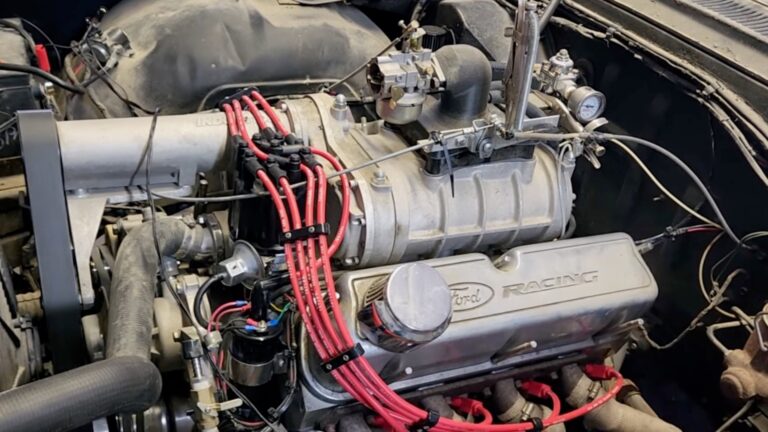
In the United States, synthetic is a marketing term, not a chemical classification. ExxonMobil itself acknowledges that most Group III base stocks — the foundation of many oils sold as synthetic — are refined from crude oil streams. If the crude supply tightens, so does the base stock supply, and suddenly your $12 quart of full synthetic is caught in the same geopolitical vise as a barrel of West Texas Intermediate.
The bulletin also flags an incoming “supplier-driven price adjustment” of unspecified size. Nissan tells its dealers they’re free to source oil elsewhere, as long as it meets Nissan-approved specifications. That’s a polite way of saying: good luck finding it cheaper on the open market when everyone is scrambling for the same shrinking pool.
Two automakers drafting rationing plans within days of each other is not a coincidence. It’s a pattern. Toyota’s bulletin reportedly instructed service departments to conserve stock.
Nissan went further, putting specific percentage cuts on paper. The next question is which manufacturer follows, and whether any of them actually have to send the memo.
The practical fallout lands squarely on consumers. Dealer service departments may face longer wait times, higher prices, or both. Independent shops that rely on the same wholesale supply chain won’t be insulated.
Anyone driving a modern turbocharged engine that demands a specific synthetic weight isn’t going to have the luxury of substituting whatever’s on the shelf at the parts store.
If you’re sitting on 7,000 miles since your last oil change and thinking you’ll get to it next month, reconsider. The supply hasn’t collapsed, but two of the world’s largest automakers are clearly preparing for the possibility that it will. When corporations start writing rationing playbooks, the smart money acts before the memo actually goes out.
The oil change — the most basic, routine piece of car maintenance there is — just became a logistics problem. That’s a strange new world for an industry that has spent decades telling customers to just follow the schedule.




Share this Story