
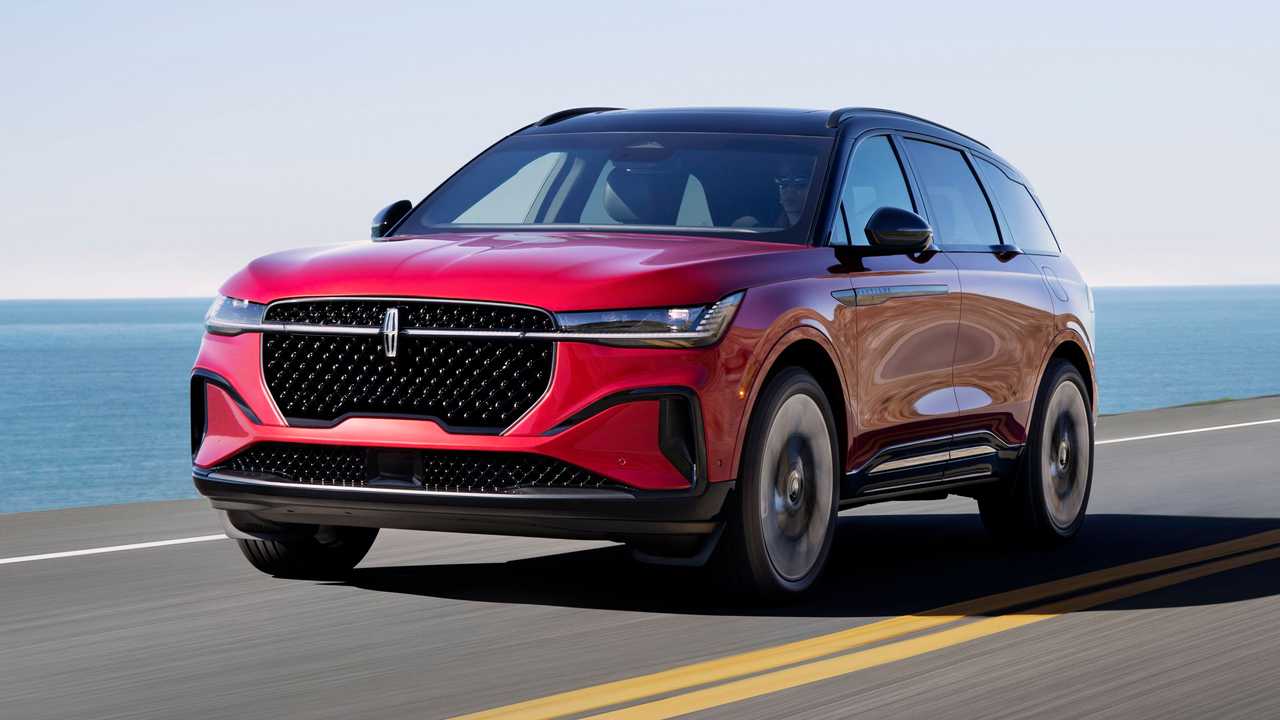


Lincoln wants to play in the dirt. And not just any dirt — the kind that comes with six-figure price tags and leather-lined cabins.
Sources tell Autoweek that Ford’s luxury division is developing a body-on-frame SUV built on the same T6 platform underpinning the Ford Bronco. The two-row off-roader is targeting a 2029-2030 launch, and its crosshairs are aimed squarely at the Land Rover Range Rover and Mercedes-Benz G-Class.
This isn’t some fever dream from a Lincoln enthusiast forum. It fits neatly into the brand’s recently stated ambitions under new CEO Joaquin Nuno-Whelan, who has talked about taking Lincoln in “a little more emotional and exciting direction.” Ford is reportedly prepared to spend billions to make that happen.
The details so far paint a picture that’s equal parts rugged and refined. Think Bronco bones with Lincoln skin — softer sheetmetal edges, the brand’s signature grille, and styling cues borrowed from the latest Navigator. The SUV would ride on the Bronco’s 116.1-inch wheelbase, putting it at roughly 189.5 inches long.
That slots it right next to the current Nautilus in size and within striking distance of the Land Rover Defender’s 197.5-inch footprint.
A next-generation Bronco isn’t expected until 2031, but sources suggest Lincoln’s version could share more parts with that forthcoming model than with the current sixth-gen truck. Body-on-frame platforms offer more flexibility for updates and tweaks than unibody architectures, so there’s room to evolve the Lincoln without waiting for a full Bronco redesign.
Nobody’s talking powertrain specifics yet. The Bronco currently offers a 2.3-liter turbocharged four-cylinder and a 2.7-liter twin-turbo V6, either of which could serve as a starting point. The Bronco Raptor’s 418-horsepower 3.0-liter twin-turbo V6 would be the spicy option, though it’s anyone’s guess whether Lincoln would go there.
Pricing could be aggressive — and by aggressive, we mean expensive. The current Navigator starts at $94,890. A Range Rover opens at $115,450. Sources suggest a Bronco-based Lincoln with Black Label interior appointments could absolutely play in that neighborhood.
The timing makes strategic sense for a brand that’s been bleeding products. Ford already killed the Lincoln Corsair and its Ford Escape sibling after the 2026 model year, converting their Louisville assembly plant for next-generation electric vehicles. Lincoln’s current lineup has shrunk to just three models.
Adding a halo-worthy off-roader would inject some badly needed personality into a brand that’s struggled with identity for years.
It also taps into a market segment that’s white-hot. The G-Wagen remains a status symbol on wheels. Range Rover continues to print money. BMW, Audi, and even Genesis are all reportedly working on luxury off-road entries of their own. Lincoln would be foolish to sit this one out.
Sure, skeptics will invoke the ghost of the Lincoln Blackwood — Ford’s spectacularly ill-conceived luxury pickup from 2002 that lasted barely a year. But the market has changed dramatically since then. Overlanding culture is mainstream now. Wealthy buyers want vehicles that look like they could summit a mountain pass, even if the most rugged terrain they’ll ever see is a gravel driveway at a Napa Valley vineyard.
The real question isn’t whether Lincoln should build this truck. It’s whether they can execute it with enough distinction to justify the badge and the price. A Bronco with nicer leather and a different grille won’t cut it.
Lincoln needs to deliver something that feels genuinely luxurious, genuinely capable, and genuinely its own.
Three to four years is a long wait. But if Lincoln gets this right, it could be the most important vehicle the brand has launched in decades.


Share this Story