
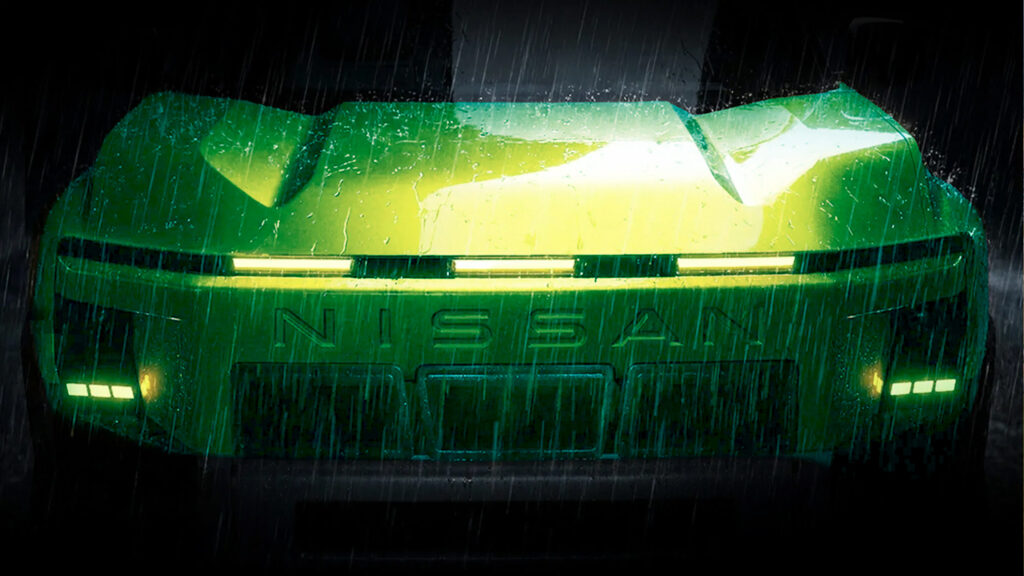


Four years ago, Nissan stood in front of investors and promised a bold electric future under its “Ambition 2030” banner. A half-billion dollars would flow into Canton, Mississippi. The 4.7-million-square-foot plant would churn out EVs and batteries for Nissan and Infiniti alike, targeting 200,000 electric vehicles sold in the US by 2028.
That ambition is now officially dead.
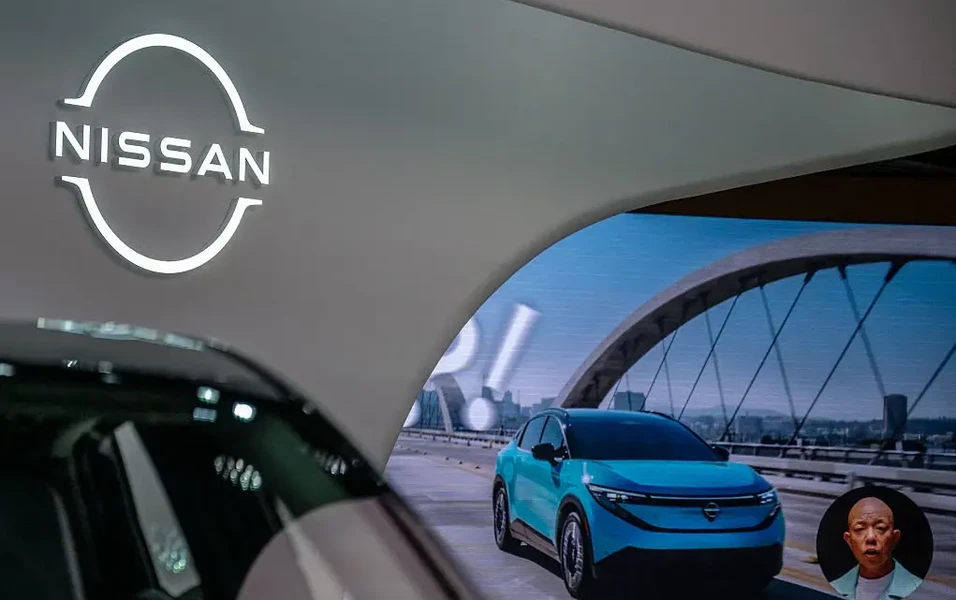
Nissan confirmed it has abandoned the $500 million EV retooling plan for Canton, pivoting the facility entirely toward gasoline and hybrid vehicle production. The company cited the need to “better align with market conditions, customer demand and Nissan’s updated strategic direction.” That’s corporate language for a full retreat.
The unraveling didn’t happen overnight. Last year, Nissan pulled the Ariya electric crossover from the US market and axed two planned electric sedans. The upcoming PZ1K, which was supposed to be built at Canton, is now part of a strategy that no longer has a home.
Every US-made Nissan EV was destined for that Mississippi plant. Now, none will be.
Tepid consumer demand for EVs did part of the damage. The Trump administration’s elimination of the $7,500 federal tax credit did the rest. Without that incentive propping up sticker prices, the math stopped working for buyers already skeptical about range, charging infrastructure, and resale value.
Canton’s future now revolves around a body-on-frame Xterra, expected by 2028, followed by a three-row Frontier and at least three other models sharing the same platform. That’s a minimum of five ICE-based vehicles replacing what was supposed to be Nissan’s electric beachhead in America. The shift is total.
Nissan operates three US manufacturing facilities — Canton, plus two in Tennessee at Smyrna and Decherd. Of those, only Canton was slated for EV production. The Ariya was the sole electric vehicle Nissan ever assembled domestically, and even that is gone now.
The Japanese automaker is hardly alone in its reversal. Ford has scaled back its own EV ambitions. GM has pulled in its horns. The pattern across Detroit and its foreign competitors is unmistakable: the American EV transition, at least at this pace, has stalled.
Manufacturers that bet big on battery-electric are now hedging with hybrids or retreating to what they know sells. The irony is sharp. While US automakers retrench, EV sales in Asia and Europe are hitting record highs.
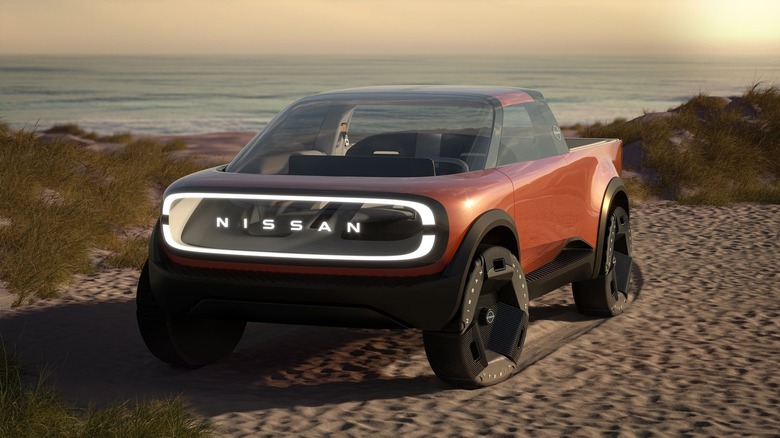
Record gas prices in those markets, driven partly by geopolitical instability, have done what federal incentives couldn’t sustain here. They made electric vehicles the obvious economic choice for millions of consumers.
Nissan once pioneered the mass-market EV with the Leaf, launched in 2010 when Tesla was still a curiosity and GM’s Volt was a science experiment. The company had a decade-long head start and squandered it through underinvestment, mediocre product updates, and strategic hesitation. By the time Ambition 2030 arrived, competitors had lapped them.
Now Nissan is building truck-based SUVs in Mississippi. The company that introduced mainstream America to the electric car has walked away from making them on American soil entirely. Canton’s assembly lines will hum again — just not with the future Nissan once promised.

Share this Story