
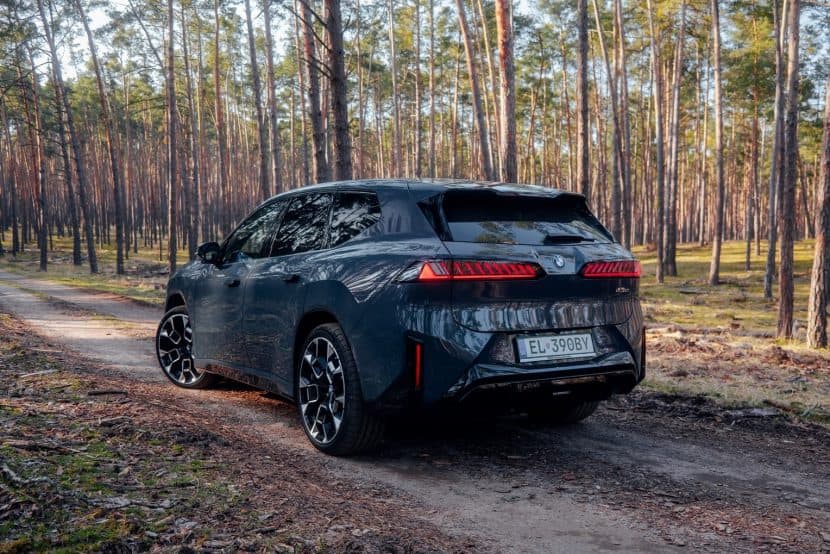


The new BMW iX3 went on preorder in Japan today, priced from 9,820,000 yen — roughly $64,000 — as the Neue Klasse SUV continues its march beyond European borders. It’s the same playbook BMW has used everywhere else: one powertrain, one body style, get in line.
Only the iX3 50 xDrive is available at launch, a dual-motor, all-wheel-drive configuration that has become the default entry point across every market. Opting for the M Sport Package bumps the price to 10,340,000 yen. A 50,000-yen deposit secures a spot, and BMW is dangling a 3.99% annual interest rate to sweeten the deal.
Japan gets the standard-wheelbase “NA5” variant, not the stretched “NA6” that China and select Southeast Asian markets will receive. That long-wheelbase version has been confirmed for India, Thailand, Indonesia, and Malaysia, but don’t expect both to coexist in the same showroom. BMW likes to keep things tidy, even when customers might prefer a choice.
The Japanese-spec cars will roll out of BMW’s plant in Debrecen, Hungary — the same factory that’s already running a second production shift ahead of schedule. Demand has been that aggressive. More than 50,000 orders have stacked up in Europe alone, and here’s the number that really tells the story: the electric iX3 is currently outselling the combustion-powered X3 G45 on the continent.
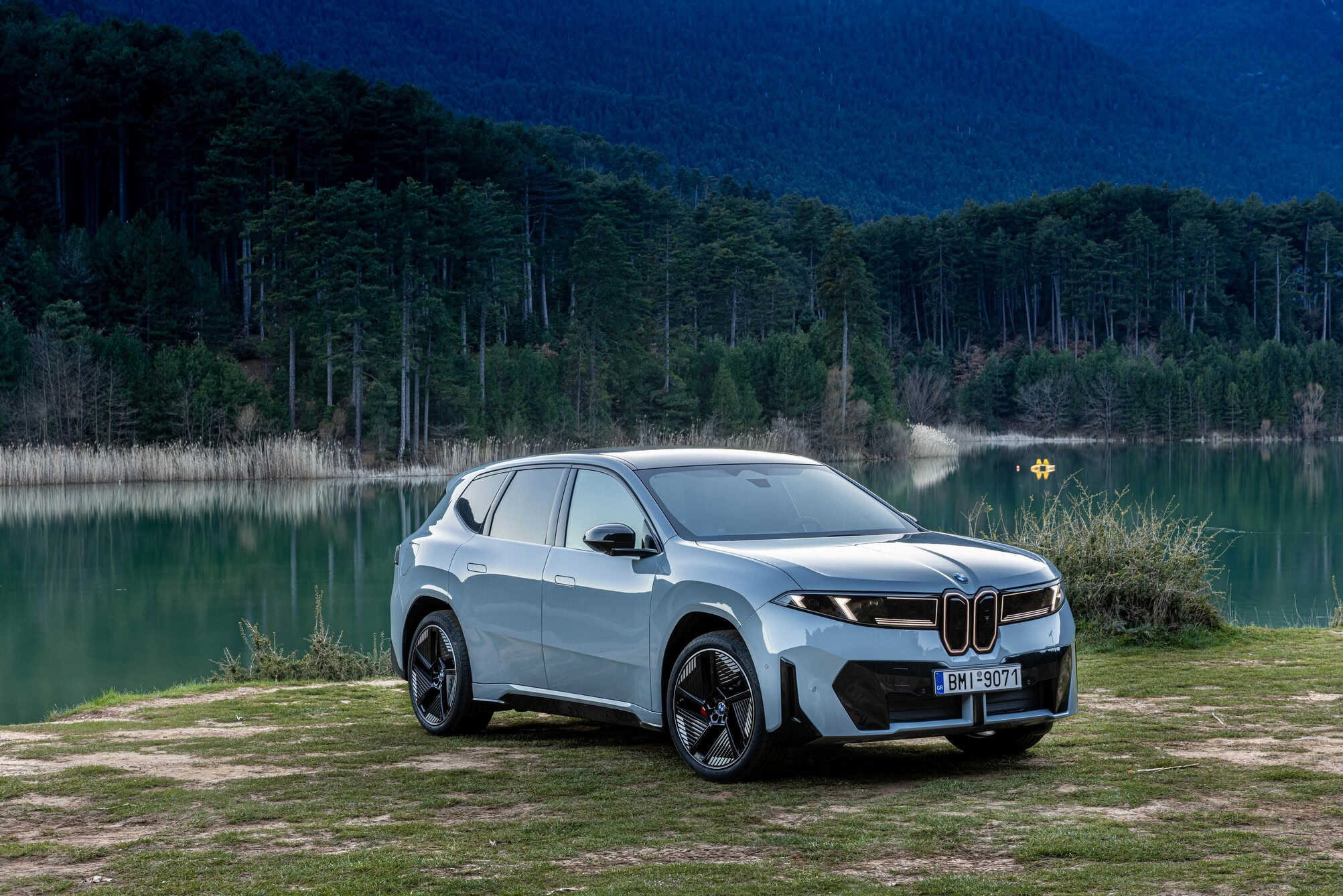
That’s before BMW even introduces the cheaper rear-wheel-drive iX3 40, which is coming to Europe soon. An electric-only SUV, in its first trim level, at its highest launch price, is already beating the gas version. BMW hasn’t needed to discount its way to volume.
Production won’t stay concentrated in Hungary forever. BMW plans to build the standard-wheelbase iX3 in Mexico starting in the second half of 2027, while the long-wheelbase variant will be assembled in China for local consumption and regional exports. It’s a classic three-hub manufacturing strategy, designed to hedge against tariffs and logistics bottlenecks that have bitten every automaker in recent years.
Japan represents the next domino in a summer offensive that also includes the United States and China. BMW has been methodical about the rollout — Europe first, let the factory find its rhythm, then open the floodgates. The iX3 already picked up 2026 World Car of the Year and World Electric Vehicle honors, which doesn’t hurt when you’re asking Japanese buyers to put money down on a car they can’t yet test drive locally.
Beyond the SUV, BMW’s Neue Klasse pipeline is filling fast. The i3 sedan, the i4’s replacement, is scheduled to reach European customers this fall before expanding globally in 2027. The i4 is being quietly shown the door.
What BMW is executing here is a full-generation reset at a pace the company hasn’t attempted since the original 3 Series redefined its identity decades ago. The iX3 is not just a new electric SUV. It’s the proof of concept for an entire architectural bet — and so far, the bet is paying off.
Over 50,000 European orders, production scaling faster than planned, and a global launch cadence that suggests Munich isn’t waiting for permission from the market. It’s forcing the issue. Japan’s order books opening today is a small headline, but the trajectory behind it is not.
Share this Story