


Oliver Zipse joined BMW as a trainee in 1991. He exits as CEO having outmaneuvered every German rival that bet the house on battery-electric vehicles — and he’s walking out the door right before the bill for China and tariffs comes due.
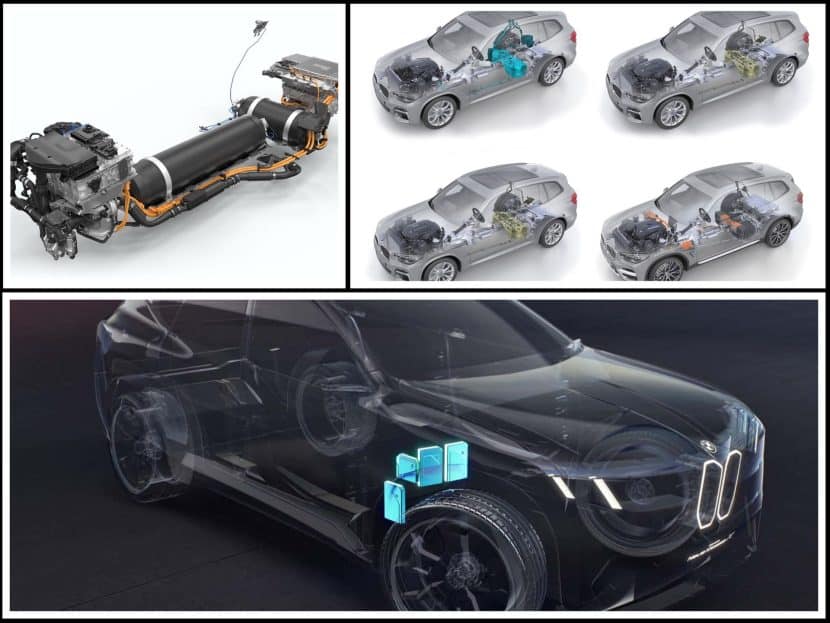
The strategy Zipse championed was called Technology Openness, a term that sounded like corporate hedging when he first pushed it in 2021. Keep building combustion engines. Keep building plug-in hybrids. Build EVs too, but don’t torch the rest of the portfolio on a regulatory promise and a demand curve that didn’t exist yet.
Herbert Diess at Volkswagen publicly mocked him for it. The German press called Munich timid. Analysts wanted a lane picked.
Diess got fired. Mercedes-Benz quietly walked back its 2030 all-electric pledge. GM spent three years rebuilding the hybrid lineup it had just killed. Volvo softened its timeline. Volkswagen’s Cariad software unit became a multi-billion-euro cautionary tale, and the ID family missed sales targets for years running. One by one, every automaker that declared combustion dead on a schedule had to negotiate with reality.
BMW sold 426,536 fully electric vehicles globally in 2024, up 13.5 percent year over year. Nearly one in four BMW Group vehicles sold was electrified. The company held the top spot in the German premium segment throughout Zipse’s tenure. It wasn’t ignoring EVs. It just refused to pretend the transition was a light switch.
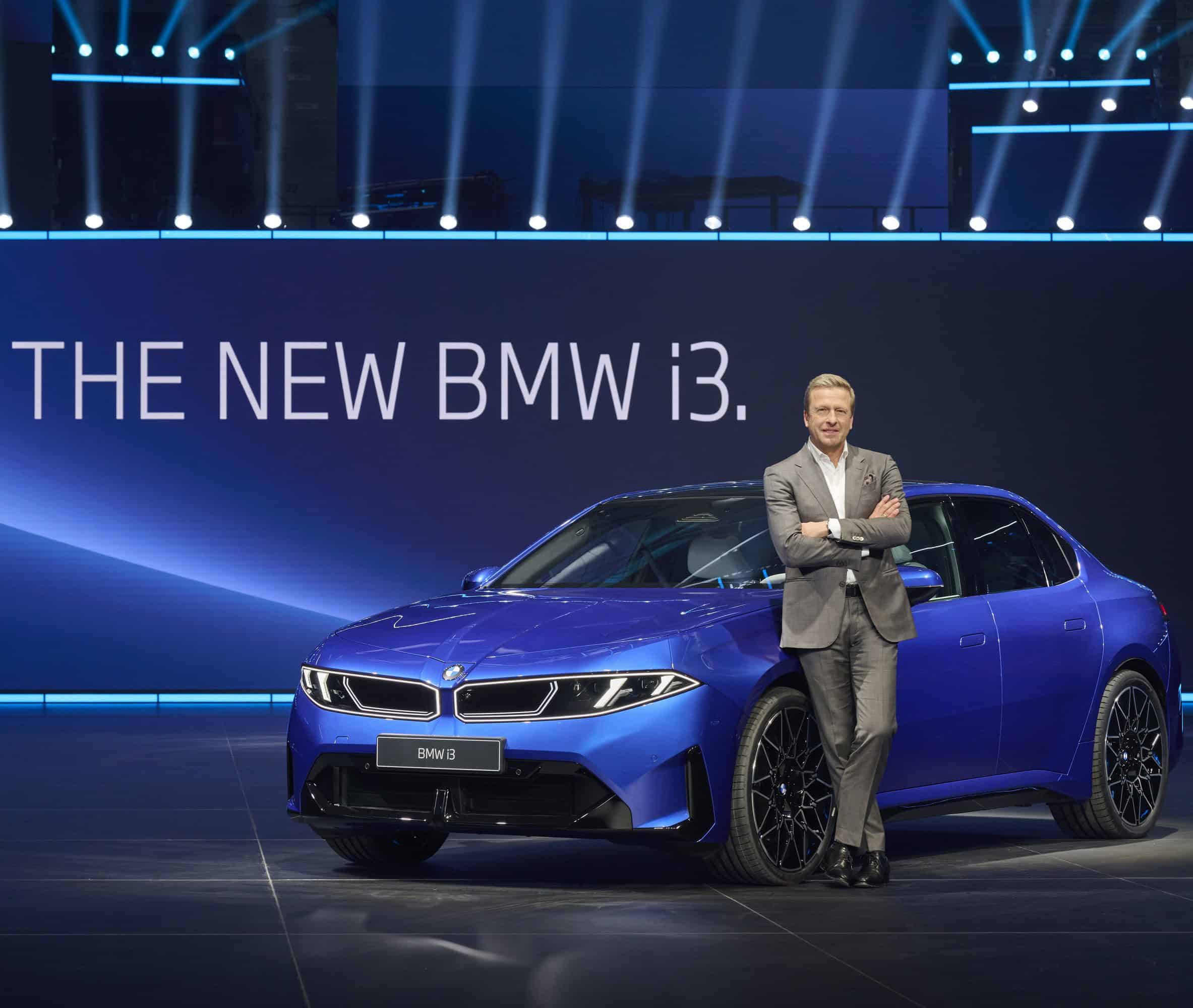
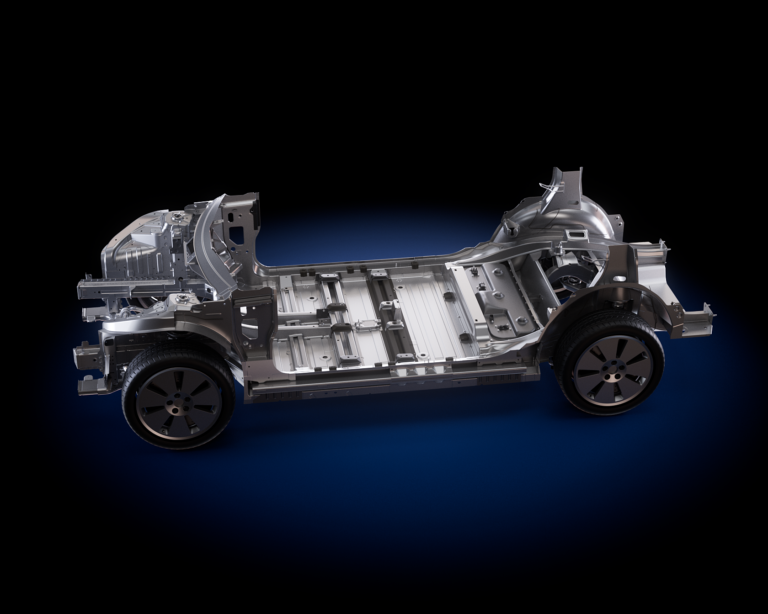
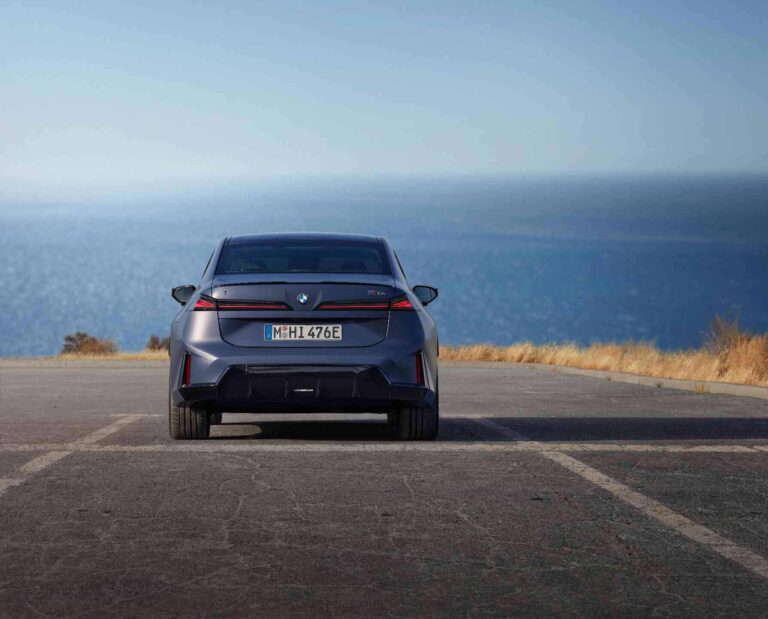
The crown jewel of his exit is the Neue Klasse — BMW’s ground-up EV architecture, with proprietary round-format battery cells, a dedicated software stack, and a brand-new factory in Debrecen, Hungary that started production in 2025. The first model off the line is the iX3. It represents BMW’s most expensive strategic commitment in decades, and it’s the clearest evidence that Technology Openness was never about avoiding electrification. It was about controlling the timing.
But here’s the thing about leaving at the right moment: it only looks right if someone else handles what comes next.
China sales dropped from 826,300 units in 2023 to 625,527 in 2025. First quarter 2026 brought another 10 percent decline. BMW outperformed the broader Chinese market, which contracted 17.5 percent in the same quarter, but outperforming a collapsing segment is the kind of victory that doesn’t pay for factories.
U.S. tariffs shaved roughly 1.25 percentage points off BMW’s automotive EBIT margin in 2026. Operating profit in 2025 fell 11.5 percent, the worst result since the pandemic. CFO Walter Mertl said the company would have posted a profit increase without tariffs — a statement that is simultaneously reassuring about the underlying business and deeply unhelpful given that tariffs aren’t going away.
Zipse turned 62 in February. His supervisory board extension was already an exception to BMW’s age-60 rule. His successor, Milan Nedeljkovic, is 56 with a contract running to 2031. He gets the runway Zipse no longer has, and he gets the problems Zipse won’t have to solve — specifically, whether the Neue Klasse iX3 can compete with BYD and Nio on their home turf, not on badge prestige but on product merit.
Nedeljkovic’s path through BMW mirrors Zipse’s almost exactly: trainee, MINI Plant Oxford, Leipzig, Munich, production board. The company clearly trusts its own template. Whether that template works in a market where Chinese EV makers are climbing into the premium segment with terrifying speed is an entirely different question.
Zipse made the right call on multi-drivetrain strategy. That’s no longer debatable. He kept BMW profitable through a pandemic, a chip shortage, and an industry-wide identity crisis over propulsion technology. He leaves with the Neue Klasse in production and his critics either fired or backpedaling.
He also leaves with China hemorrhaging volume, tariffs squeezing margins, and the real test of his signature platform still months away. The vindication is real. The hard part belongs to someone else.
Share this Story