
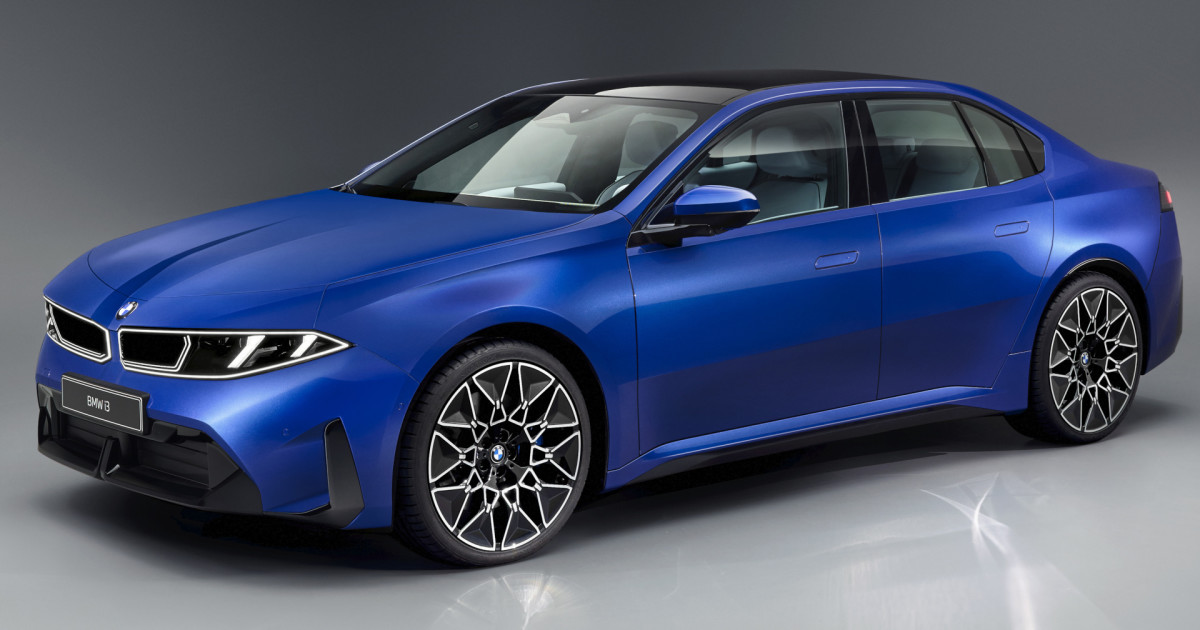


The 2027 BMW i3 broke cover Tuesday morning, and it carries the kind of numbers that should make every EV competitor nervous: 463 horsepower, 440 miles of estimated EPA range, and 400-kW DC fast charging. Munich’s most important sedan has gone fully electric on the Neue Klasse platform, and it’s not playing it safe.
Let’s get the name confusion out of the way. BMW used the i3 badge on its quirky city car from 2013 to 2022, then slapped it on a China-only electric 3 Series. Now it’s back for a third act, this time as a global product. The naming carousel is dizzying, but the car underneath is dead serious.
The i3 50 xDrive launches first with all-wheel drive, pairing an electrically excited synchronous motor on the rear axle with an asynchronous unit up front. Combined output sits just 10 horsepower below the original G80 M3, though BMW hasn’t released acceleration figures yet.
The 800-volt architecture is the same sixth-generation eDrive tech underpinning the iX3 crossover, and those 440 miles of range aren’t based on Europe’s generous WLTP cycle. BMW says that number comes from its own testing against EPA standards. If the iX3’s real-world numbers are any indication, the production i3 could exceed that estimate.
DC charging at up to 400 kW represents a 30-percent improvement over BMW’s outgoing EV tech. The battery pack uses cylindrical cells in a cell-to-pack design that eliminates modular construction, cutting weight and cost while doubling as a structural chassis element. Bidirectional charging — vehicle-to-home, vehicle-to-load, vehicle-to-grid — comes standard, and the charge port is NACS for the U.S. market.
Underneath the skin, BMW has reorganized the car’s electronic brain into four zones controlled by four supercomputers. The one governing vehicle dynamics manages brakes, drivetrain, steering, and regeneration at ten times the processing speed of previous systems. BMW claims fewer electronic interventions during spirited driving and more predictable cornering behavior — a promise worth testing.
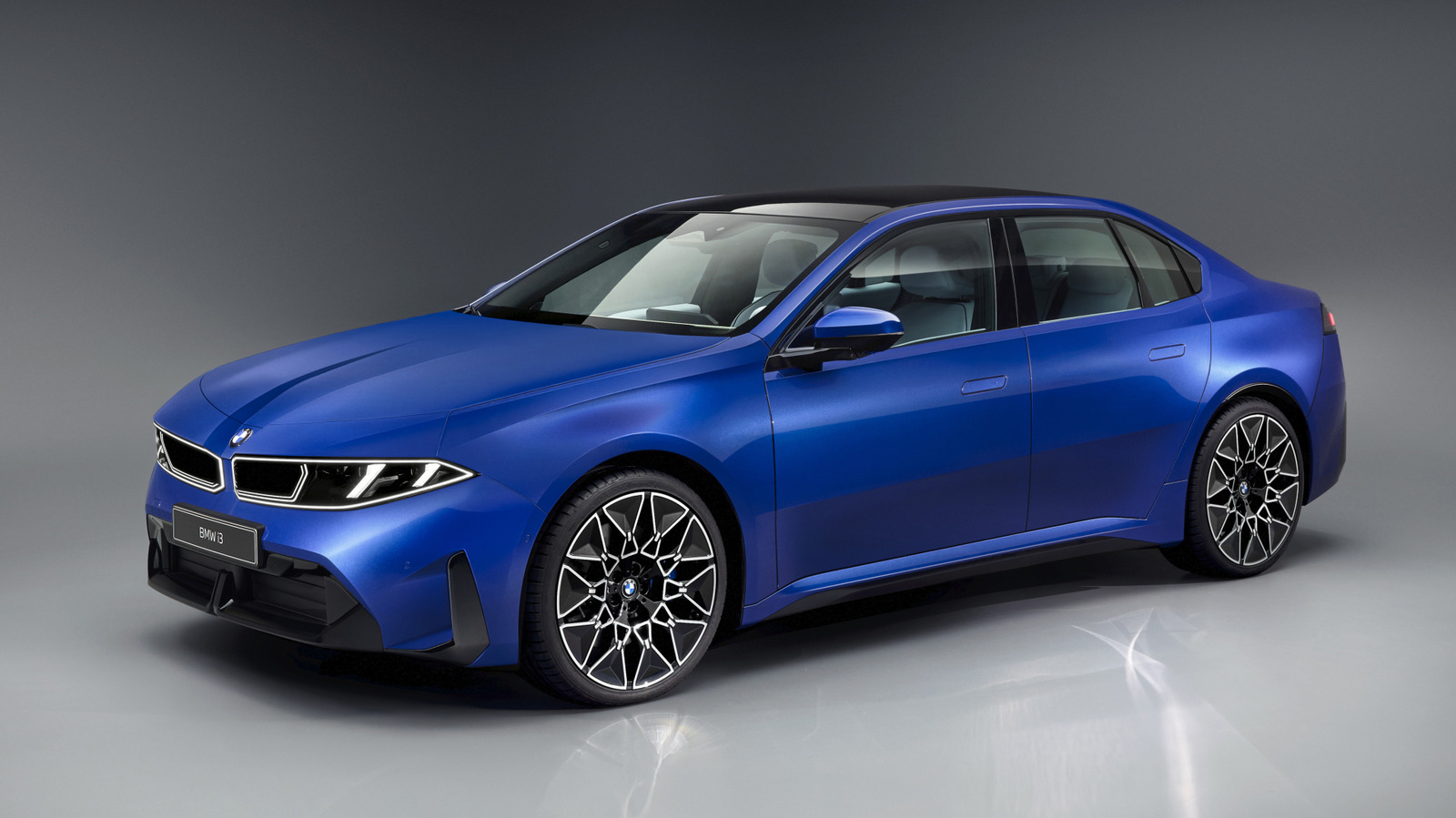
The styling is where opinions will fracture. The kidney grilles have merged with the headlights, creating a mask-like front end that traces directly back to the Vision Neue Klasse concept. The hood gets twin muscular bulges, hidden window seals and flush door handles clean up the profile, and the Hofmeister kink is barely recognizable.
The oversized third side window looks odd the longer you study it. Around back, the taillights taper toward a centered BMW roundel recess, echoing the E46’s L-shaped motif but in a more futuristic register.
Inside, things depart sharply from tradition. A four-spoke steering wheel replaces the familiar two-spoke layout, with an optional M Sport variant that looks like nothing BMW has done before. The 17.9-inch central display tilts toward the driver, and a narrow heads-up strip runs along the windshield base.
Amazon Alexa+ AI powers the voice assistant. Physical buttons survive for hazard lights and the parking brake, but much else has gone digital, including the door latches. That choice will get the i3 banned in certain markets where mechanical backup releases are required.
The frunk is tiny. BMW doesn’t sugarcoat this, and neither will buyers who’ve grown accustomed to Tesla’s front storage. Trunk space benefits from a flat floor and folding rear seats, at least.
A combustion-powered 3 Series is still coming on an updated CLAR platform, sharing the i3’s styling language with tweaked proportions. An electric M3 with four motors looms further out. But this i3 is the statement car, the one that has to prove Neue Klasse was worth the billions BMW poured into it.
Production begins in August, and deliveries start this fall. Pricing remains under wraps until closer to launch. The specs alone already tell a story: BMW isn’t easing into the electric sedan segment, it’s arriving with force and daring competitors to match the range number.

Share this Story