
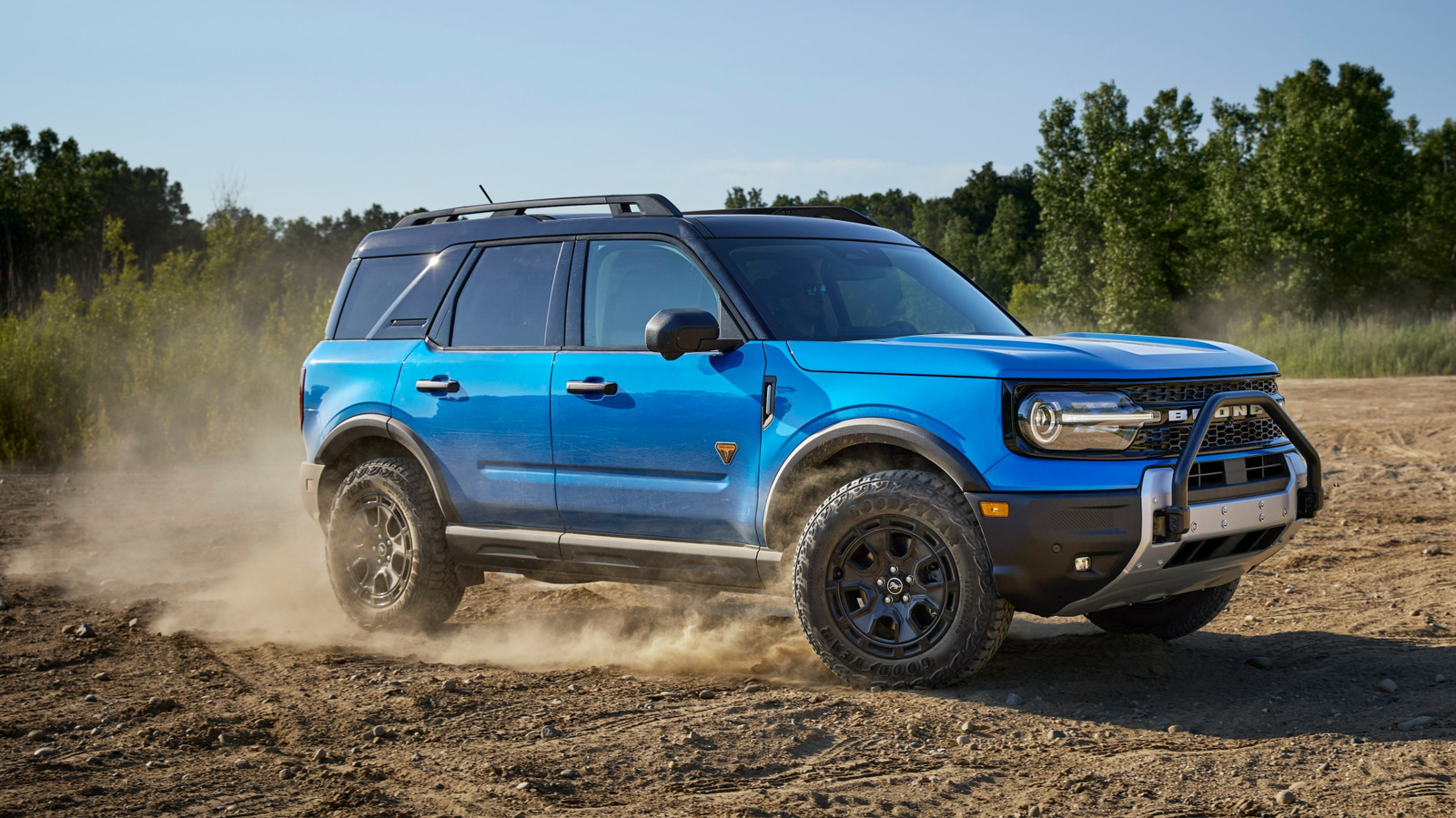


The Insurance Institute for Highway Safety doesn’t roll out new crash tests very often. So when it does, the industry pays attention. This time, the target is whiplash — the single most commonly reported injury in U.S. auto insurance claims — and three popular compact SUVs just face-planted.
The 2025-26 Ford Bronco Sport, 2025-26 Hyundai Tucson, and 2025-26 Mazda CX-50 all earned the dreaded Poor rating in the IIHS’s inaugural round of whiplash prevention testing. Out of 18 small SUVs evaluated, these three sat dead last.
Here’s the backstory. The IIHS used to run a head restraint evaluation that simulated a 20-mph rear-end impact. By 2022, nearly every vehicle on the market aced it, so the test was shelved. Problem was, real-world data told a different story. People in supposedly well-rated vehicles were still getting whiplash at alarming rates.
The new test fixes that disconnect. Instead of smashing whole cars into barriers, engineers strap a crash test dummy with a fully articulated spine into the actual seat pulled from the vehicle being evaluated. A sled rig then simulates rear impacts at both 20 and 30 mph. Sensors and high-speed cameras track how the head moves relative to the spine, how quickly it contacts the head restraint, and whether the cervical vertebrae maintain their natural curvature or get violently stretched and straightened.
The results were grim for the bottom three. Each failed in its own distinctive way. The Tucson’s head restraint pushed the dummy’s chin down toward its chest — not exactly what you want in a collision designed to whip your head backward.
The CX-50’s seat let the dummy slide backward and upward, essentially undermining the whole point of having a head restraint in the first place. And the Bronco Sport? It “provided particularly poor support for the head and spine,” according to the IIHS. Video showed a long, ugly delay before the dummy’s head even made contact with the restraint, and the velocity difference between the pelvis and head was dangerously high.
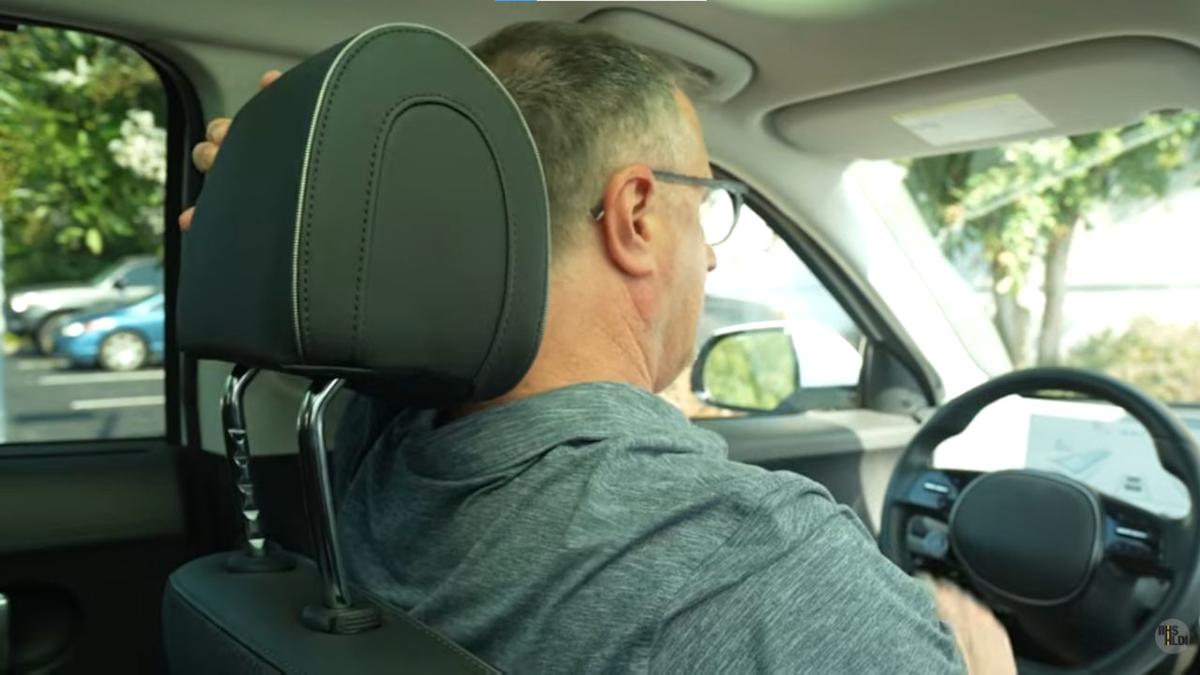
“We don’t fully understand the mechanisms that cause whiplash injuries,” said Marcy Edwards, the IIHS senior research engineer who developed the evaluation, “but our research makes us confident that reducing these types of movements and stresses should cut down on whiplash injuries in the real world.”
Only four SUVs earned the top Good rating: the Audi Q3, Hyundai Ioniq 5, Subaru Forester, and Toyota RAV4. In those vehicles, the dummy’s head and spine stayed aligned, and the cervical vertebrae retained their natural curve through both impact speeds. Nine models landed in the Acceptable range, including the Chevrolet Equinox, Honda CR-V, and Volvo XC40. The Nissan Rogue and BMW X1 earned Marginal ratings.
The gap between the best and worst performers is striking. We’re not talking about exotic engineering here. We’re talking about seat foam density, head restraint geometry, and how well a seatback absorbs energy — the kind of stuff automakers have had decades to figure out.
Whiplash might not sound as dramatic as a frontal offset crash or a rollover, but anyone who’s lived with chronic neck pain after a fender bender knows it can wreck your quality of life for months or years. Neck sprains and strains from rear-end collisions remain among the most frequently reported crash injuries in the country, and they cost insurers — and drivers — billions annually.
For shoppers cross-shopping compact SUVs, this test changes the calculus. A five-star frontal crash rating means less if the seat lets your neck get wrenched in a parking lot rear-ender at 30 mph. Ford, Hyundai, and Mazda now have some engineering homework to do, and the IIHS has signaled it will expand this evaluation to more vehicle categories soon. The era of ignoring whiplash protection is over.


Share this Story