
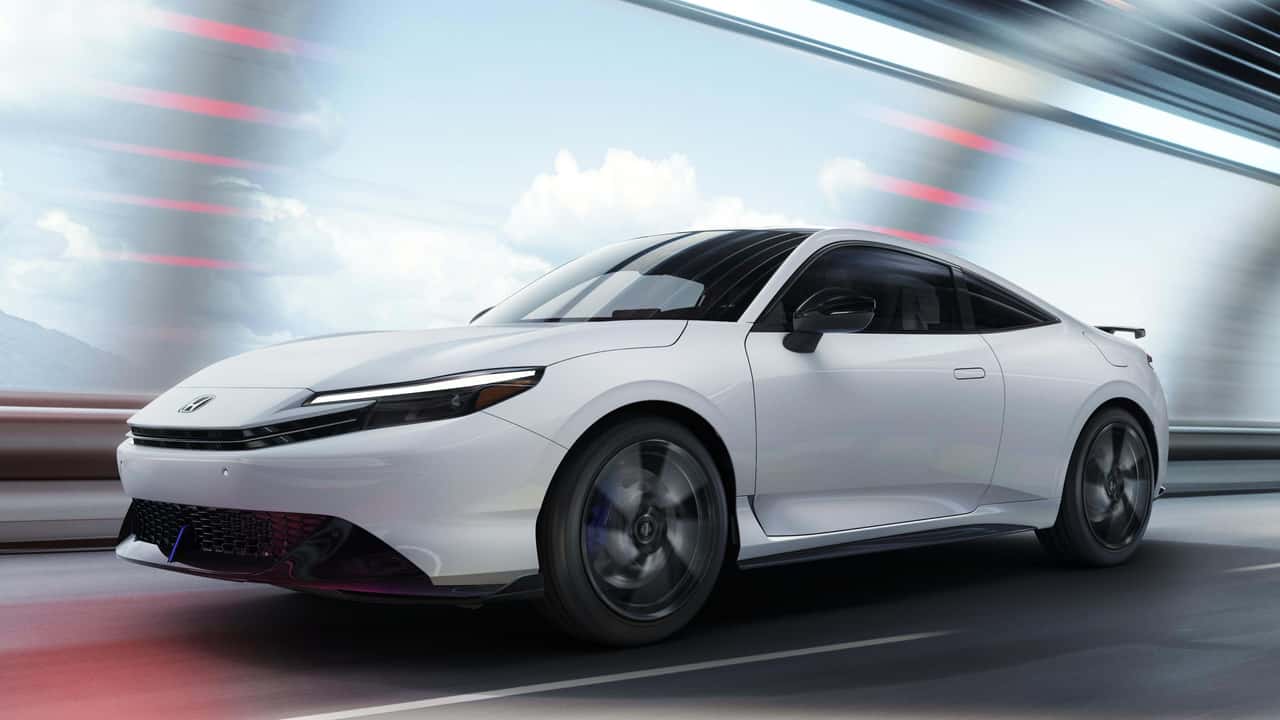


Honda Australia’s president and CEO Jay Joseph has a message for every enthusiast who bought a 2026 Prelude hoping it was just the warm-up act: there is no encore coming.
In an interview with CarSales, Joseph flatly ruled out a Prelude Type R. Not delayed. Not under consideration. Not happening. The cost to engineer one, he said, would require “investment in the order of hundreds of millions of dollars.”
Honda designed the Prelude around its 200-horsepower hybrid four-cylinder from day one. The architecture is so deeply committed to that powertrain that bolting in something angrier would essentially mean starting over.
“We’ve made so many adaptations of the platform for this specific vehicle,” Joseph explained, acknowledging that while Honda’s platform approach allows some interchangeability, the Prelude has been tailored too specifically to pivot into genuine performance territory.
Two hundred horsepower. A trick CVT-based transmission. A hybrid system optimized for efficiency, not lap times. That’s the whole menu. Honda Racing Corporation did announce aftermarket parts earlier this year, including suspension upgrades, wheels, and aerodynamic bits, but conspicuously offered nothing for the powertrain. The engine you get is the engine you keep.
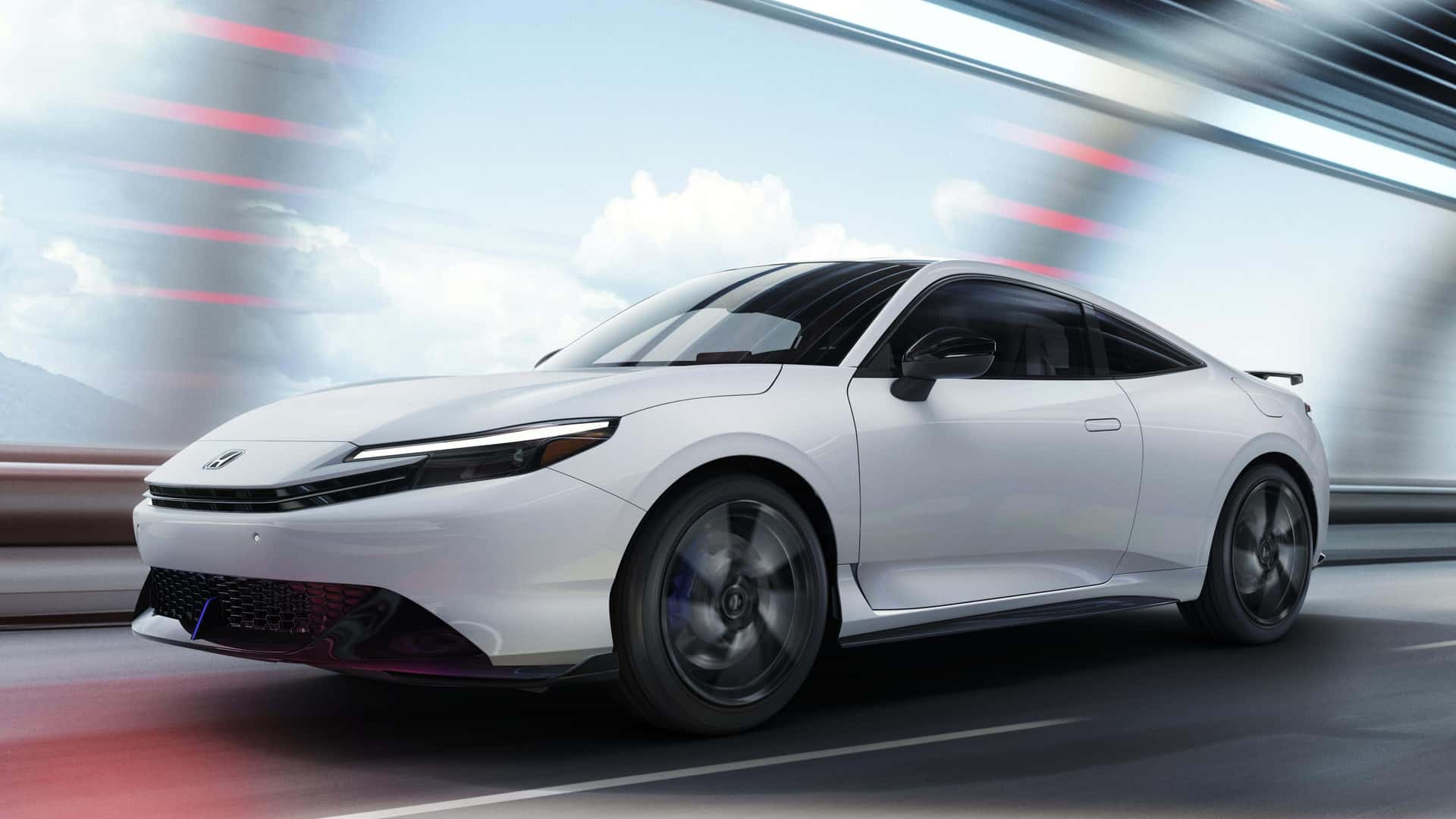
The comparison to Honda’s CR-Z is impossible to avoid. A decade ago, Honda revived the spirit of the beloved CRX with a sleek two-door hybrid that looked fast and went nowhere quickly. A 1.5-liter hybrid with 130 horsepower, wrapped in bodywork that promised more than the drivetrain could deliver. The CR-Z died quietly after five years. At least it had a manual.
The Prelude doesn’t even offer that. And yet Honda seems pleased with its trajectory. Early sales have outpaced the Subaru BRZ, which sounds encouraging until you remember the BRZ occupies the thinnest possible niche in the American market. Beating it is less a victory lap than a participation ribbon.
Joseph framed the Prelude’s hybrid identity as intentional, not compromised. When we planned it as a global vehicle, as a global model, everything made sense to us,” he said. From a corporate spreadsheet perspective, he’s probably right. Honda gets a stylish halo coupe that moves the hybrid needle without the R&D burden of a dedicated performance variant. The math works. The soul doesn’t.
What Honda is really telling us is that the Prelude exists to look like a sports car, not be one. It’s a lifestyle accessory, a design statement with a modest powertrain tucked beneath gorgeous sheet metal. For anyone who remembers what a Prelude meant in the 1990s, a genuine driver’s car with VTEC screaming past 7,000 rpm, this is a name borrowed, not a legacy continued.
The Civic Type R remains Honda’s sole concession to the shrinking tribe of performance-obsessed buyers. It’s the car you want if you want Honda to thrill you. The Prelude is the car you buy if you want Honda to flatter you.
Honda has been remarkably transparent about this. No teasing a hotter version to sustain interest. No “never say never” hedging. Just a flat declaration that hundreds of millions of dollars stand between this Prelude and anything resembling a Type R, and Honda has no intention of spending it.
The enthusiast’s dream died not with a betrayal but with an accounting lesson. Honda did the math and walked away. The Prelude will sell on its looks, and that will be enough — until it isn’t.
Share this Story