
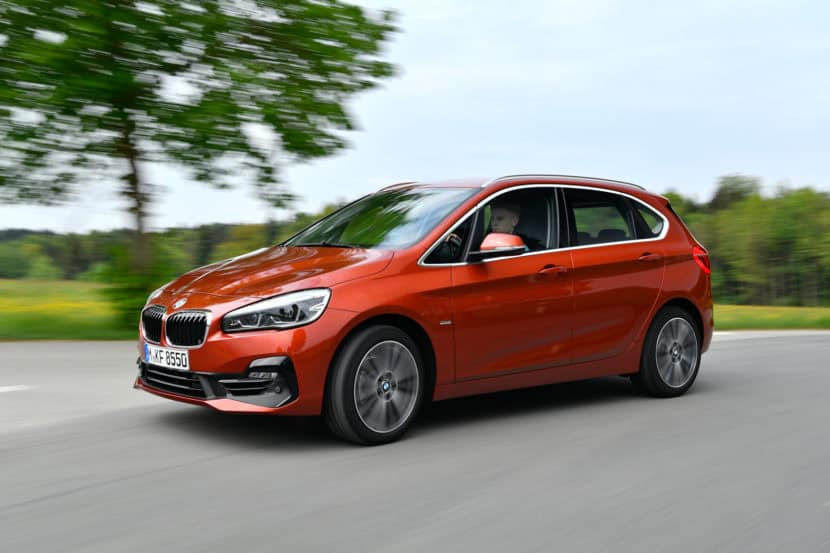


Go ahead, ask your BMW-driving neighbor if the company makes a minivan. They’ll look at you like you asked if Porsche builds refrigerators. But BMW has been building one since 2014.
Two full generations, more than 420,000 units in the first run alone, and not a single one sold in the United States. The 2 Series Active Tourer is a compact MPV that exists in a parallel BMW universe most Americans never visit.
It launched as the F45 in November 2014, was controversial before the first one rolled off the line at Plant Leipzig, and now appears headed for extinction by the end of the decade with no third generation planned.
The car’s original sin was front-wheel drive. BMW, a company that built its postwar identity on rear-driven sports sedans, put a transverse three-cylinder engine in a tall-riding family box and slapped a kidney grille on it. Enthusiasts recoiled. Accountants smiled. The thing sold.
Mercedes-Benz had been printing money with the B-Class since 2005, owning the premium compact MPV space in Europe without competition from Munich. The Active Tourer was BMW’s answer, and it worked well enough to justify a second generation on the updated FAAR platform in 2021.
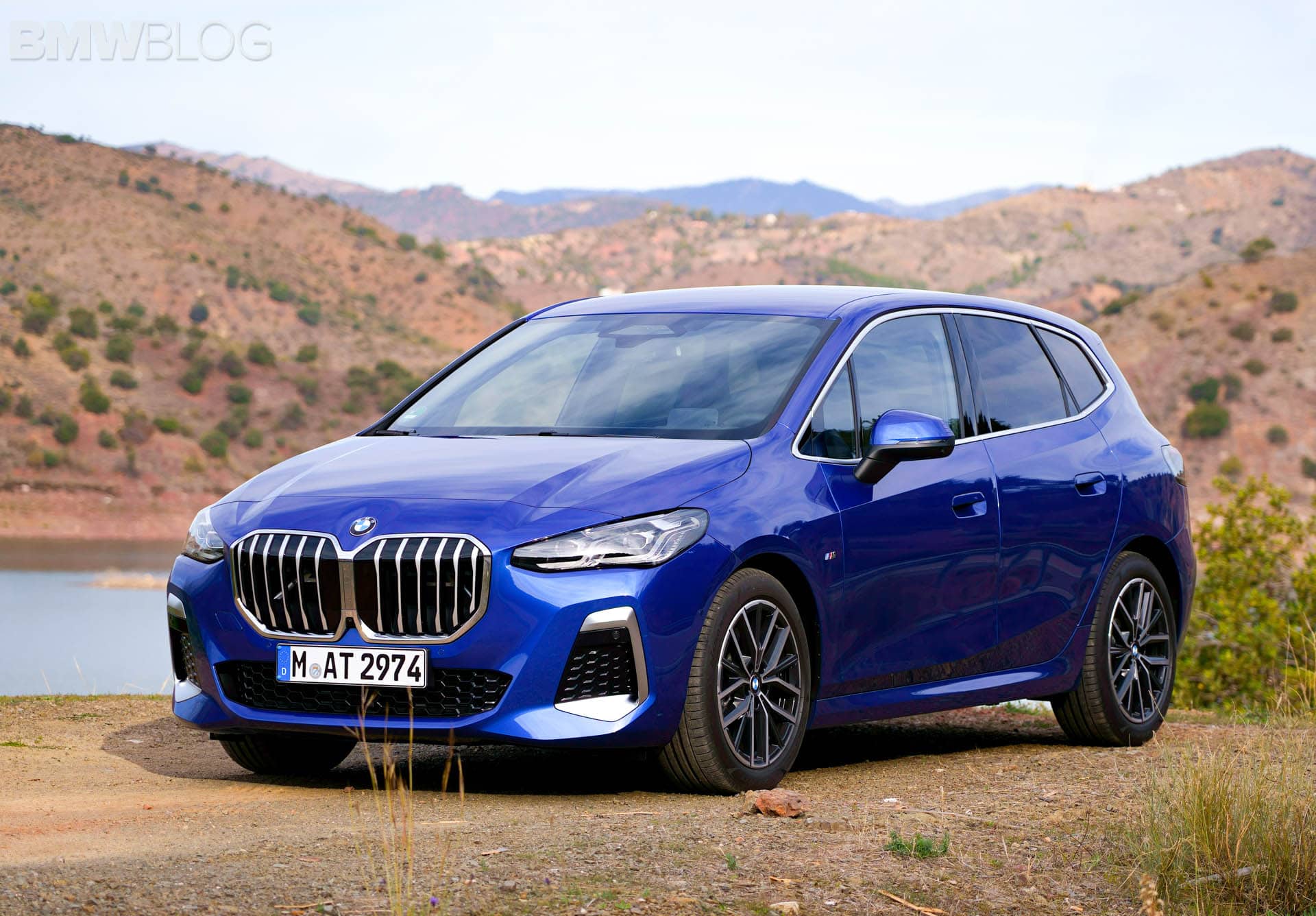
That second generation, the U06, shares its architecture with the X1 and X2. It offers everything from a modest 136-horsepower three-cylinder to a 326-horsepower plug-in hybrid with nearly 90 kilometers of electric range. It was the first compact BMW with iDrive 8’s curved dual-screen setup and the first combustion BMW to ship without the rotary controller. Quiet firsts for a quiet car.
But something is off. The U06 has passed the four-year mark without a facelift. BMW refreshes its models like clockwork every three to four years, and skipping the LCI is the corporate equivalent of not renewing a lease. Insider reports point to production ending around 2028 or 2029, with the X1 absorbing whatever family-hauler demand remains.
The Gran Tourer three-row variant was already killed before the U06 launched. BMW cited declining demand for compact seven-seaters. The writing was on the wall even then.
What tends to get lost in the Active Tourer’s obituary is what the car actually accomplished inside BMW. It was the proof of concept. Without the F45 demonstrating that BMW customers would tolerate front-wheel drive, there is no front-drive 1 Series hatchback, no 2 Series Gran Coupe, no current X1, no X2.
The Active Tourer absorbed the political risk so the rest of the lineup could profit from the engineering flexibility. It was the crash-test dummy for a corporate strategy shift.
European families in Hamburg and Munich bought it because it fit a double stroller and slotted into tight parking garages. It started below 50,000 euros. It wasn’t pretending to be a sports car and never claimed to be one. Top Gear called it “the odd one out in the BMW family,” which was probably the most honest compliment it ever received.
Production will wind down without a special edition, without a farewell lap at the Nürburgring, without a single American dealer wondering where the allocation went. The X1 will pick up the slack. SUVs always do now.
The Active Tourer’s real legacy isn’t the car itself. It’s every front-wheel-drive BMW that came after it and sold in volumes Munich never could have achieved staying pure. The minivan nobody knew about quietly rewired one of the most tradition-bound automakers on earth. And it did it without anyone in the United States paying the slightest bit of attention.

Share this Story