


You’ve been at the cars and coffee. Someone drops “final drive ratio” into conversation like it’s common knowledge. You nod, sip your latte, and pretend you know exactly what they’re talking about. No judgment — but it’s time to actually learn this one, because it matters more than most people think.
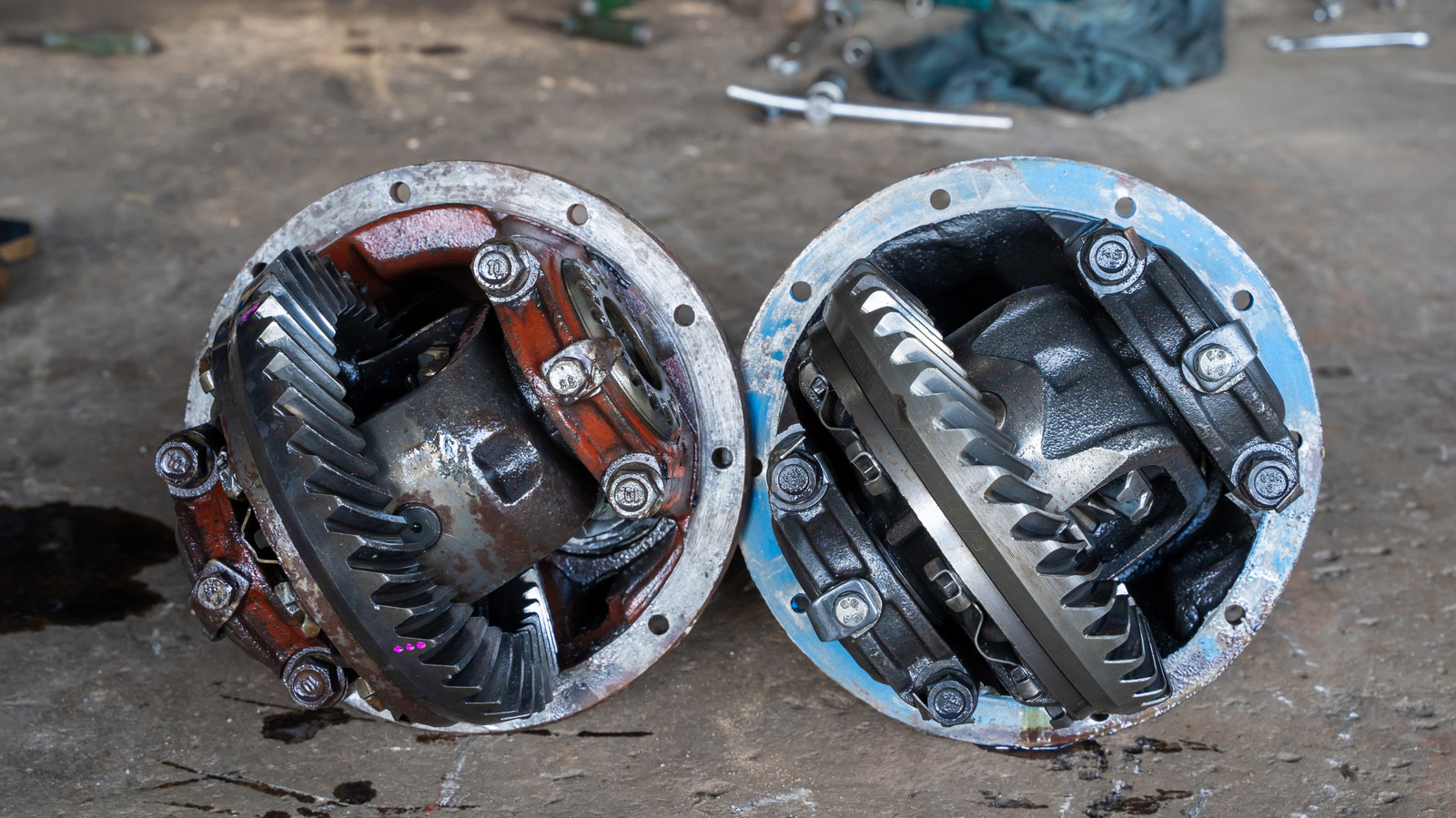
The final drive ratio is the gear ratio inside your vehicle’s differential or transaxle. It describes how many times the engine’s crankshaft has to spin to turn the drive wheels one full rotation. That single number shapes your car’s acceleration, towing capability, fuel economy, and top speed across every single gear — not just the highest one.
Here’s the critical thing to understand: a numerically higher ratio is called “shorter” gearing, and a numerically lower ratio is called “taller” gearing. Yes, it’s counterintuitive. Yes, it confuses people. But once it clicks, you’ll never un-see it.
A shorter ratio — say 4.10:1 — means the engine spins more times per wheel rotation. That translates to quicker acceleration, more torque at the wheels at low speeds, and a more responsive throttle feel. The engine works harder, revs higher at any given road speed, and drinks more fuel on the highway. It’s the go-to setup for towing, off-roading, and anyone who wants their right foot to feel like it’s connected directly to the pavement.
A taller ratio — something like 3.73:1 — lets the engine loaf along at lower RPMs during highway cruising. You sacrifice some low-end punch, but you gain fuel efficiency and a higher top speed. It’s the balanced choice, the sensible daily driver setup that doesn’t leave you wanting for much unless you’re hauling a heavy trailer up a mountain grade.
The real-world difference between these two common ratios is big enough that automakers use them on purpose. Take the 2026 Subaru Outback as a case study. The standard Outback rolls with a 4.11:1 final drive ratio, which is already on the shorter side. But the Outback Wilderness — Subaru’s dirt-focused, trail-ready variant — bumps that to 4.44:1.
That change isn’t just about bragging rights on a spec sheet. The shorter ratio gives Wilderness drivers more torque at crawling speeds for rocky terrain, steep climbs, and muddy trails. It also raises the vehicle’s maximum tow rating because more engine power reaches the wheels at lower speeds. The penalty is fuel economy — the engine turns faster to maintain highway speeds, burning more gas in the process.
The same logic applies across the truck world, where buyers often face the 3.73 versus 4.10 decision at the dealership. If you’re commuting and occasionally towing a small boat, 3.73 keeps things efficient. If you’re pulling a loaded construction trailer five days a week, 4.10 makes the truck feel like it’s not struggling for its life every time a hill appears.
This isn’t just classroom talk, either. Swapping final drive gears is one of the most common and effective modifications in motorsports and enthusiast builds. Drag racers run extremely short ratios to maximize launch acceleration. Land speed cars run incredibly tall gearing to let engines breathe at triple-digit speeds without bouncing off the rev limiter.
So next time someone at a meet starts talking about their 4.56 gears or their highway-friendly 3.31 setup, you won’t have to fake it. You’ll know that every final drive ratio is a compromise — a deliberate engineering decision that trades one thing for another.
The question is never which ratio is best. It’s which ratio is best for what you’re doing. And now you actually know enough to have that conversation.



Share this Story