


A coalition of trade groups including the Alliance for Automotive Innovation has fired off a letter to the U.S. Treasury and Commerce departments warning that the appetite of AI data centers is draining the global memory chip supply. Automakers are feeling the squeeze.
The letter, reported by Bloomberg and highlighted by The Drive, represents something close to collective panic across multiple industries. The car business, already battered by years of semiconductor shortages that started during the pandemic, now faces a new and more structural threat. This time the chips being gobbled up aren’t the microcontrollers that froze production lines in 2021 — they’re memory chips, DRAM and NAND flash, consumed in huge volumes by the AI infrastructure buildout happening worldwide.
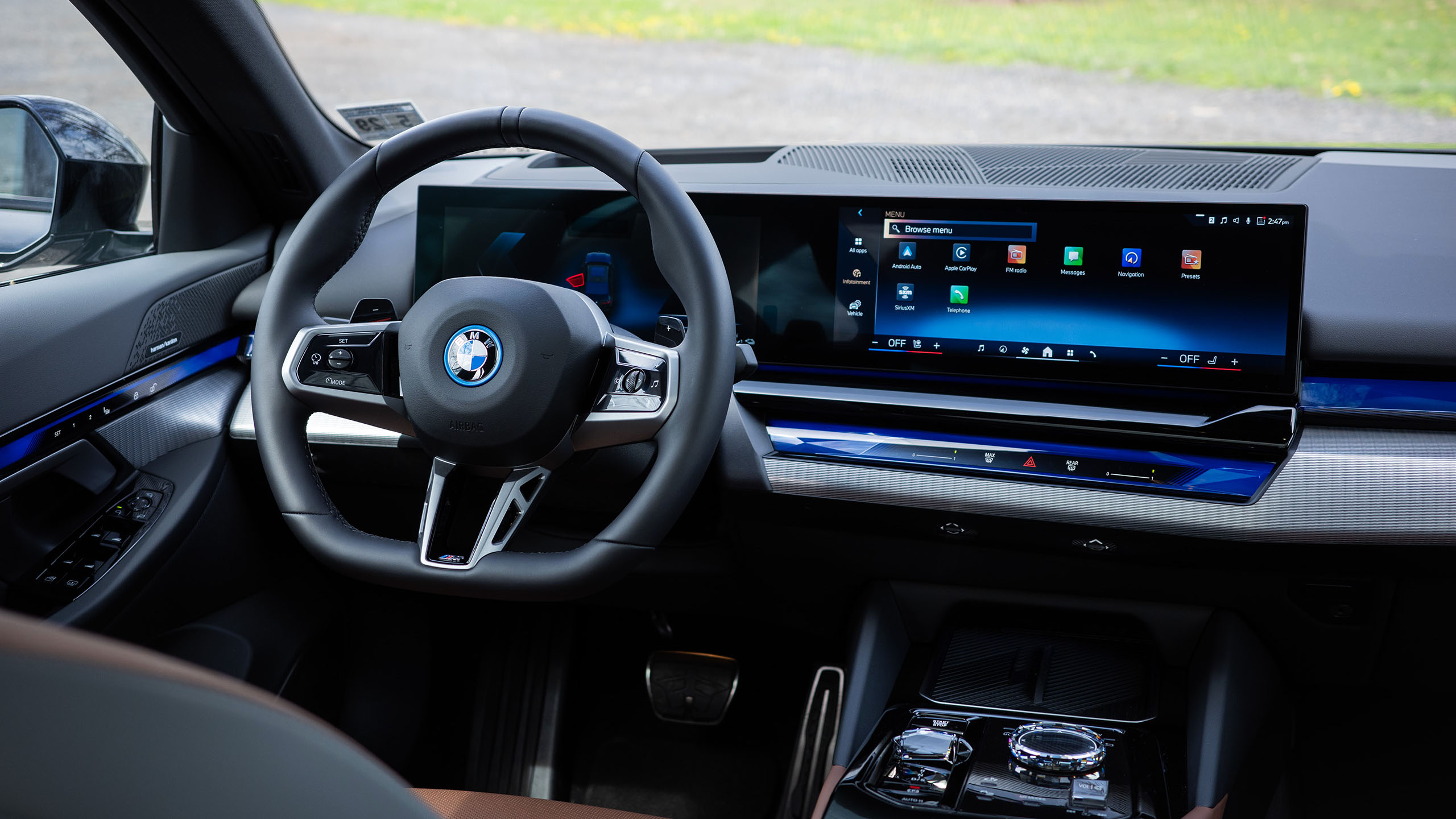
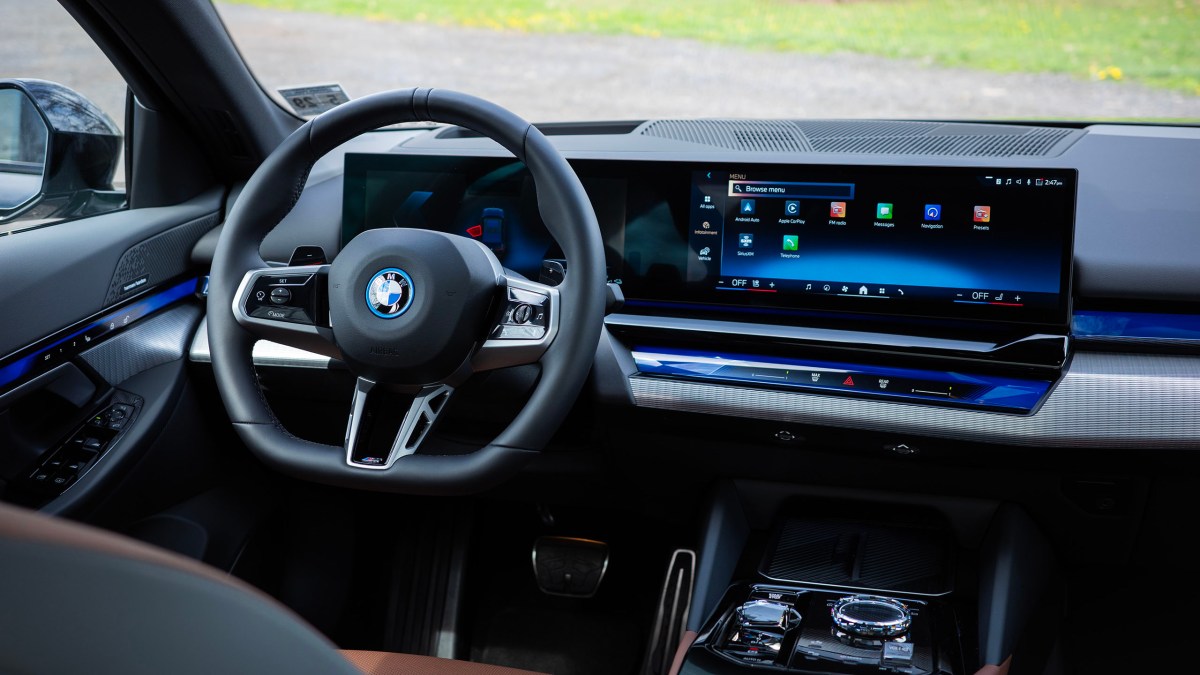
Every modern vehicle is packed with memory. Infotainment systems, advanced driver-assistance systems, digital instrument clusters, over-the-air update modules — all of it requires memory silicon. A single new car can contain dozens of memory components, and when you multiply that by the roughly 80 million vehicles built globally each year, the scale of demand becomes clear.
Now pit that against hyperscalers like Microsoft, Google, Amazon, and Meta, all racing to build out AI data centers that each consume memory chips by the container ship load.
The automakers aren’t just worried about availability. They’re worried about price. Memory chip costs have already climbed, and the letter to policymakers explicitly flags the downstream impact on consumer vehicle prices, which are already elevated by tariffs, labor costs, and the expensive transition to electrification.
Adding a memory chip surcharge to that stack is the last thing any dealer lot needs right now.
Policy levers exist, the groups acknowledge, but the honest math is brutal. Building new domestic semiconductor fabrication capacity takes three to five years minimum, billions in capital, and a workforce that doesn’t yet exist at the necessary scale. The CHIPS Act funding is flowing, but fabs under construction by Samsung in Texas, TSMC in Arizona, and Micron in New York are still years from producing at volume.
This is a competition the auto industry isn’t built to win. Hyperscalers operate on margins that let them pay premiums and lock up supply through long-term contracts. Automakers, especially those outside the luxury segment, run on razor-thin per-unit margins and have historically treated chips as commodity purchases. That mismatch in purchasing power is exactly how the semiconductor crisis of 2020-2022 caught the industry flat-footed, and the lesson apparently didn’t fully stick.
The irony cuts deep. Automakers are simultaneously investing heavily in AI-powered features — autonomous driving, natural language voice assistants, predictive maintenance — while the very infrastructure enabling AI elsewhere in the economy starves them of the components they need. They’re feeding the beast that’s eating their lunch.
Whether Washington can or will act fast enough to matter is an open question. Tariff adjustments, strategic stockpile initiatives, and procurement incentives are all on the table. But the physics of chipmaking don’t bend to political timelines. Fabrication plants are among the most complex manufacturing facilities on Earth, and you don’t fast-track them with a memo.
For now, the letter is a signal flare. The auto industry sees the supply crunch coming and wants the government to know it didn’t stay quiet this time. Whether that’s enough to prevent another round of empty dealer lots and inflated MSRPs is a different question entirely.





Share this Story