
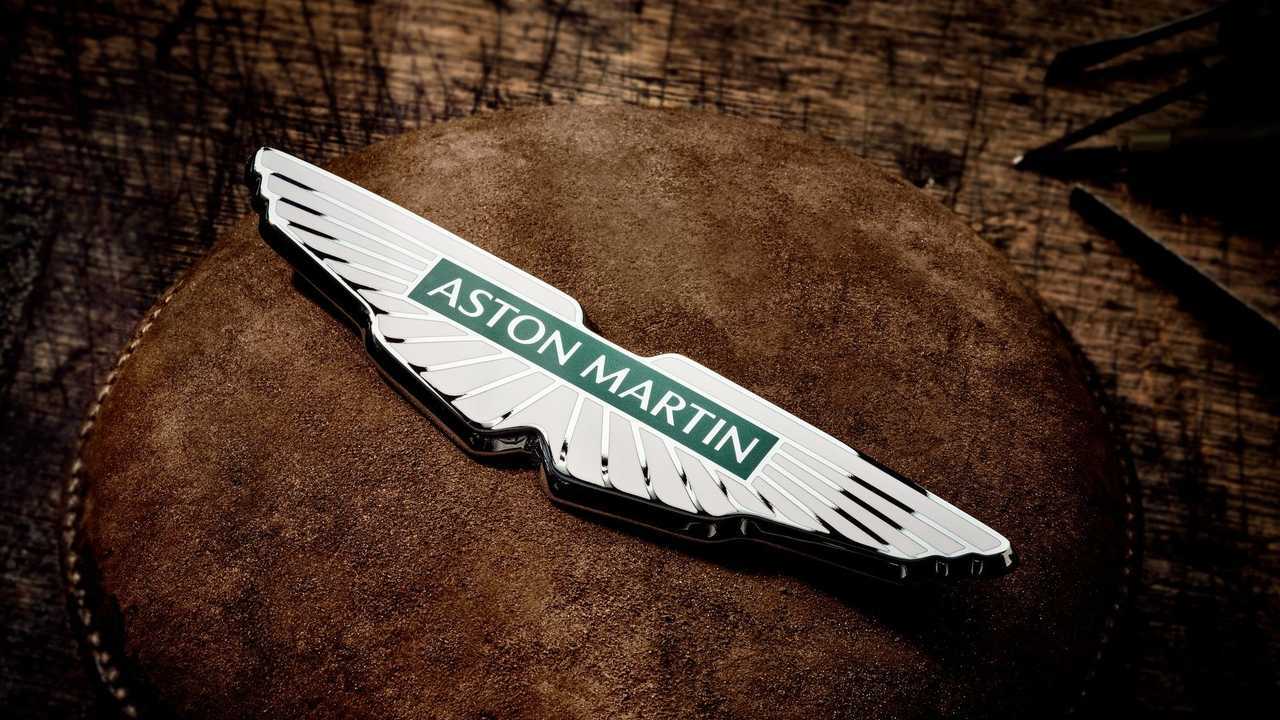


Aston Martin just handed over majority control of its brand identity outside of automobiles to keep creditors from pulling the plug. The 112-year-old British marque sold 50.1 percent of its non-automotive intellectual property to Authentic Brands Group, the American company that owns Reebok and Brooks Brothers, as part of a £550 million debt package. The Aston Martin wings now belong, in part, to a licensing conglomerate based in New York.
The deal, arranged by HPS Investment Partners, consists of a £450 million secured term loan and another £100 million that can be drawn later. That second tranche is tied directly to the IP transfer to Authentic Brands. So the money flows only if Aston Martin keeps giving up pieces of itself.
The conflict-of-interest questions practically write themselves. HPS co-founder Scott French sits on the boards of both Aston Martin and Authentic Brands, and HPS is also an investor in Authentic Brands. Funds managed by an Authentic Brands UK arm reportedly joined HPS in providing the £450 million loan. Lender, IP buyer, and borrower are tangled together in ways that existing creditors find deeply objectionable.
Those creditors, holding roughly £1.3 billion in existing debt, have already sent a formal “letter before action” to Aston Martin’s board. Their argument is straightforward: the company’s name is its most valuable asset, the thing that would be sold to repay them if everything collapsed. Moving key branding rights into a Cayman Islands subsidiary and then selling a majority stake to an outside partner strips that collateral from their reach.
The legal parallels are to freezing injunctions, the kind of court orders designed to stop a debtor from offloading assets before a formal restructuring. Bondholders want the HPS transaction unwound entirely.
Aston Martin insists the split is clean. Road cars and Formula 1 branding stay with the automaker. Everything else, merchandise, luxury goods, lifestyle licensing, falls under the new arrangement with Authentic Brands.
In practice, that means someone else now has effective control over what the Aston Martin name means on watches, luggage, real estate projects, and anything that is not a car or an F1 entry.
Earlier this year, Aston Martin also raised about £50 million by selling naming rights linked to its F1 team to AMR GP Holdings, the entity controlled by executive chairman Lawrence Stroll. That was less a branding deal than another cash injection from the company’s largest shareholder dressed up as a commercial transaction.
The pattern is hard to miss. Every asset that can be monetized is being monetized. The Valkyrie has been dogged by a brake recall over fire risk. Development costs on new halo projects keep climbing.
Sales have not delivered the volumes the company projected when Stroll’s consortium took over. And the debt pile keeps growing.
Aston Martin has been on the edge before. It has gone through seven bankruptcies or near-death experiences in its history. Each time, the badge survived because someone with deep pockets believed the name alone was worth saving.
The difference now is that the name itself has been parceled out. If creditors cannot claw it back, and if Authentic Brands exercises its majority control over non-automotive licensing with its own commercial priorities, the brand could drift in two directions at once. One Aston Martin building supercars and racing in F1, another stamped on whatever Authentic Brands decides to license next, right alongside Reebok sneakers and Brooks Brothers suits.
Bondholders are preparing to go to court. Aston Martin’s board is betting the restructuring holds. The next move belongs to a judge.

Share this Story