
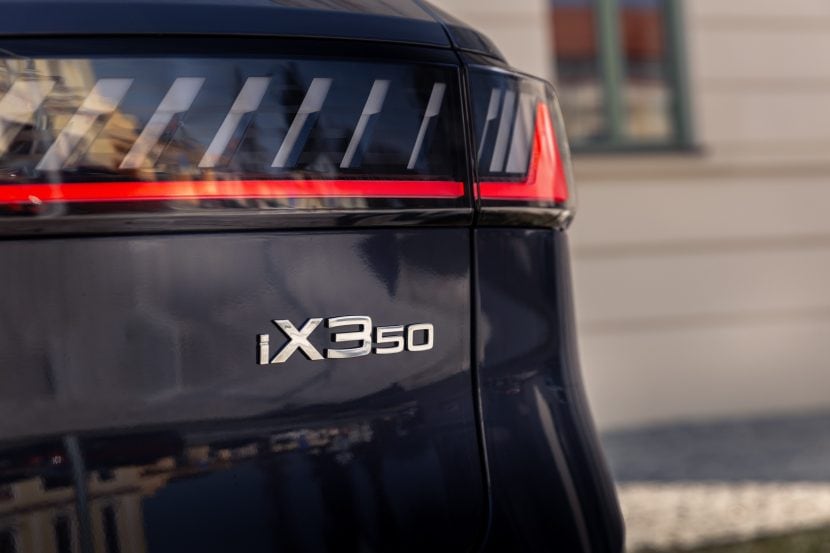


Ana Varela drove 739 kilometers from Chaves to Faro without plugging in. The actress and BMW Portugal ambassador piloted an iX3 50 xDrive the full length of National Road 2, arriving in the south with a fifth of her 108.7 kWh battery pack still untouched.
That number, 20% remaining after 459 miles, is the detail that separates this from a typical manufacturer stunt.
The three-day trip took 14 hours of seat time across mountain passes, winding roads, valleys, plains, and small towns. BMW says the car averaged 11.8 kWh per 100 km, a figure that would make most EV engineers blink twice for a vehicle this size. The route was not designed to flatter the car — it was designed to follow Portugal’s most storied north-south road.
BMW has already wrung two four-digit range runs out of this platform. In December 2025, a European-spec iX3 50 xDrive drove 1,007.7 km from the Debrecen factory in Hungary to BMW Welt in Munich, limping in on 2% battery. A long-wheelbase Chinese-market version later covered 1,030 km from Shenyang to Beijing. Both were tightly managed exercises built to produce a headline number.
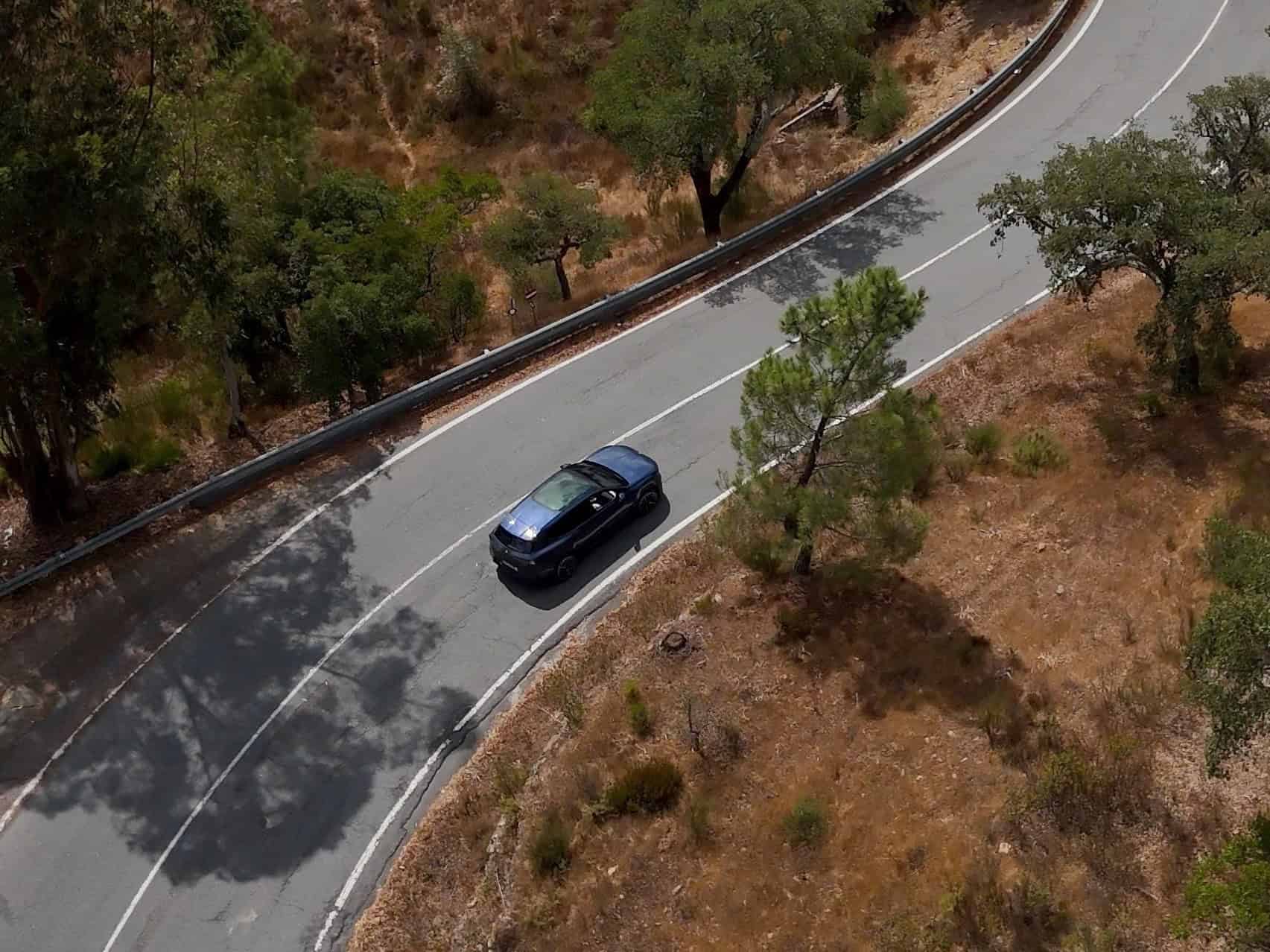
The Portugal run is different in kind, not just degree. Nobody was nursing the last electrons across a finish line. Nobody was drafting trucks on a flat highway. The car drove the length of a country and still had juice to spare. That gap between 2% remaining and 20% remaining tells you more about real-world livability than any controlled endurance test ever could.
The Neue Klasse architecture underneath the iX3 is doing a lot of quiet work. BMW has not just thrown a bigger battery at the range problem. The combination of a sixth-generation eDrive powertrain, a lower drag coefficient, and refined thermal management adds up to an SUV that sips energy the way a compact hatchback used to. Averaging under 12 kWh per 100 km across varied terrain is genuinely unusual for any EV, let alone one in the midsize SUV segment.
Skepticism is fair. This was a BMW-endorsed trip with a BMW ambassador behind the wheel. Nobody from an independent testing body was riding shotgun with a clipboard.
Speed data, climate control settings, and passenger load all remain unspecified. Those variables can swing consumption figures by 30% or more.
But even granting a generous margin of error, the pattern is hard to ignore. Three separate long-distance drives on three different continents, all producing numbers that would have seemed fictional two years ago. The iX3 is quietly building the most convincing real-world range case of any electric SUV on sale.
The timing is deliberate. BMW is rolling out the Neue Klasse platform into a market that has grown numb to lab-tested range claims. Buyers have been burned too many times by EPA estimates that evaporate at highway speed in January. What they want is proof that the car works on an actual road trip, the kind where you don’t plan your day around a charging station.
Covering an entire country and arriving with enough battery for another 150 km is that kind of proof. Whether competitors can match it depends on how quickly they close the efficiency gap, not just the capacity gap. BMW seems to understand the difference.
The next test will come when owners start posting their own numbers, without a camera crew and without a press release waiting at the finish line.
Share this Story