
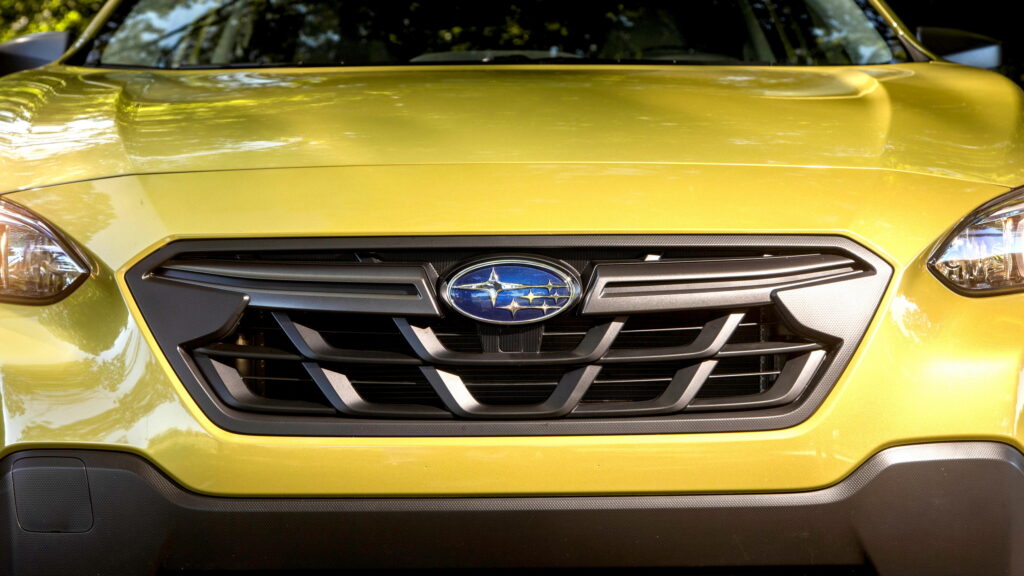


A 2022 settlement was supposed to fix things. Subaru agreed to cover first battery replacements for up to five years or 60,000 miles, while insisting its vehicles had no underlying defect. Three years later, a fresh class action says the problem never went away — it just kept killing new batteries, too.
The 2026 lawsuit names nearly every volume model in Subaru’s U.S. lineup: the Forester, Crosstrek, Outback, Legacy, WRX, Ascent, and Impreza, spanning model years 2019 through 2025. Plaintiffs from New York, New Jersey, California, and Texas all describe the same pattern — cars that won’t start or stall in traffic because something in the electrical system refuses to sleep when the ignition is off.
The technical allegation is specific: at least one electronic control module fails to enter low-power sleep mode after shutdown, creating a parasitic draw that slowly bleeds the battery dead. Replace the battery and you’ve treated the symptom. The drain remains, and the clock starts ticking on the next failure.
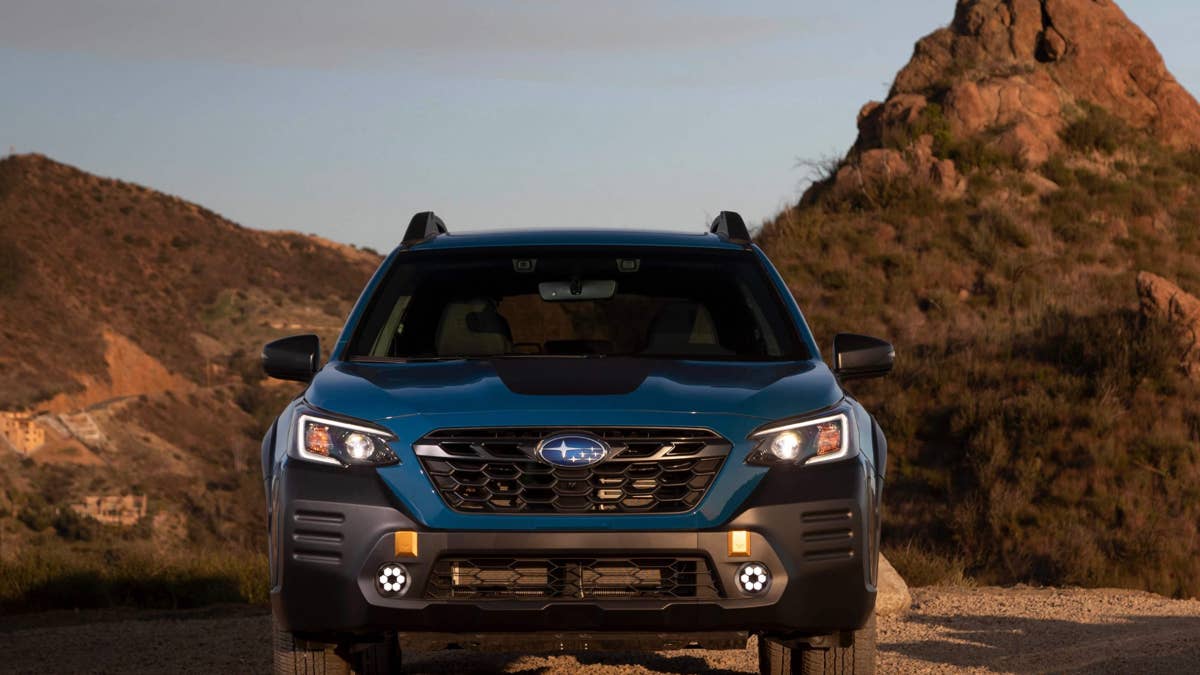
Christina Taylor of New York bought a 2021 Forester. Her first battery died at 36,705 miles, and she paid $326 for a replacement. It died again at 72,678 miles. The dealer swapped it for free, but she says the car still struggles to start. Other plaintiffs report replacement costs up to $434, plus diagnostic fees and roadside assistance bills that pile up each time.
One owner of a 2024 Outback had a larger battery and new bracket installed — a quiet admission, the lawsuit implies, that the original equipment was undersized for the vehicle’s electrical demands.
Subaru’s own actions tell an interesting story. In October 2025, the company issued a technical service bulletin instructing technicians on how to properly test for parasitic drain. The bulletin warned against blaming the Data Communication Module prematurely. That’s not the language of a company that believes nothing is wrong. It’s the language of a company that knows its dealer network has been chasing the same ghost for years without catching it.
The Forester and Crosstrek alone account for a huge share of Subaru’s domestic sales, which means the potential class size here dwarfs the 2022 case. A search of NHTSA complaints and Car Complaints data reveals that dead batteries are the single most reported problem on 2017 Outbacks — a model year not named in the current action. The electrical architecture’s issues may stretch back further than anyone has formally challenged in court.
Subaru finds itself in a difficult position. A parasitic drain that returns after battery replacement isn’t the kind of defect that triggers an automatic NHTSA recall the way a faulty airbag inflator would. There’s no federal standard for how long a car battery should last under normal conditions. That gray area has given Subaru room to maneuver — settling once without admitting fault, issuing bulletins instead of recalls, and letting owners absorb the cost of a recurring problem.
But settling a lawsuit and then watching the same complaint spread across newer model years is a bad look. The first settlement bought time. This second lawsuit suggests that time has run out.
Subaru has not publicly commented on the new litigation. The company sold more than 630,000 vehicles in the U.S. last year, built largely on a reputation for reliability and all-weather dependability. Owners who bought into that promise and now carry jumper cables as standard equipment may see things differently.
Share this Story