
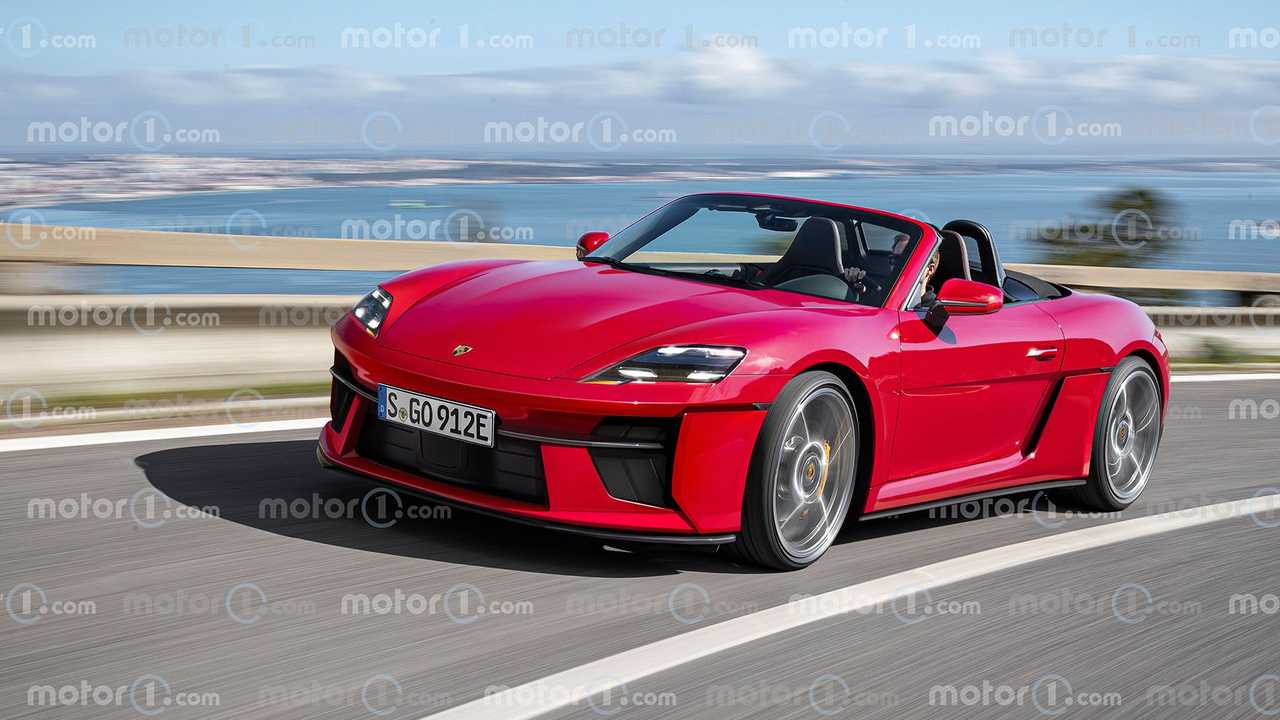


Four years ago, Porsche promised an all-electric Boxster and Cayman by mid-decade. It’s now March 2026, and neither car exists outside of prototype form. But new CEO Michael Leiters wants you to know he’s driven it — and he likes it.
“I can tell you that it is a great car and people are doing a great job working on that,” Leiters said during Porsche’s earnings call this week. That’s the second time in ten days that a senior Porsche executive has publicly vouched for a car many in the industry assumed was already dead.
The first was Daniel Schmollinger, Porsche’s Australia chief, who told CarSales he’d flogged the prototype on a racetrack and called it “amazing.” He praised the weight distribution, the go-kart feel, the electric powertrain’s contribution to dynamics. Two executives, two continents, same talking point. That’s not coincidence — that’s damage control.
Bloomberg reported earlier this year that Porsche was reconsidering the entire electric 718 program. A top-level meeting was called to decide its fate. Porsche said nothing publicly after that meeting, which only fueled the speculation.
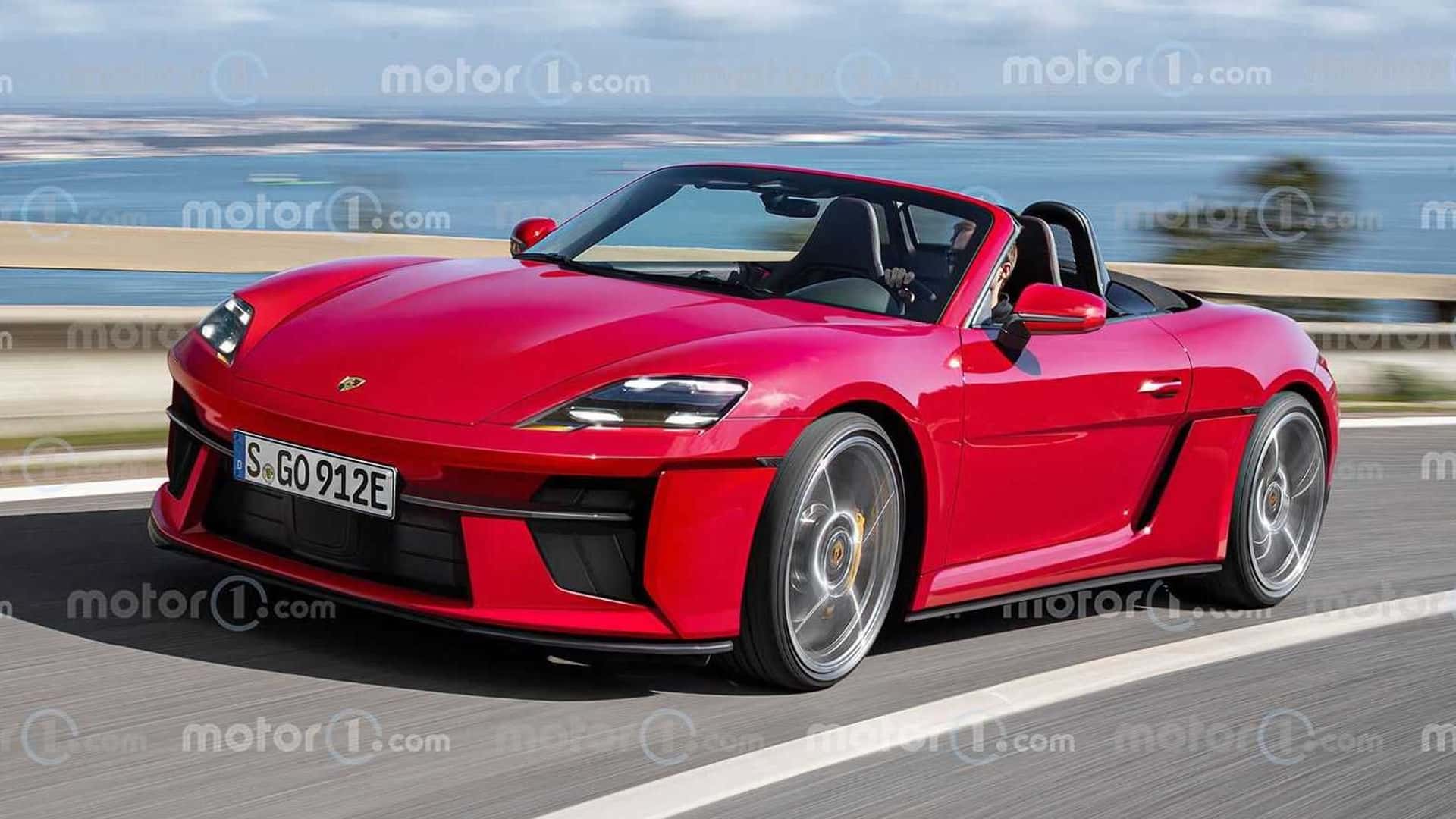
Now the company is in full reassurance mode. Leiters says more details will come this fall, when Porsche plans to disclose “any additions or amendments to the product portfolio.” Translation: don’t expect a production-ready car before then, and don’t expect deliveries before 2027 at the earliest.
That’s seven years of development for what was supposed to be Porsche’s accessible electric sports car. Seven years during which the EV market surged, cooled, and reshaped itself entirely.
The original plan was clean and radical: replace the gas-powered 718 entirely with electric successors built on Porsche’s PPE Sport platform. That plan is now in tatters. Porsche has confirmed combustion engines will return for range-topping RS versions later this decade, which almost certainly means six-cylinder power.
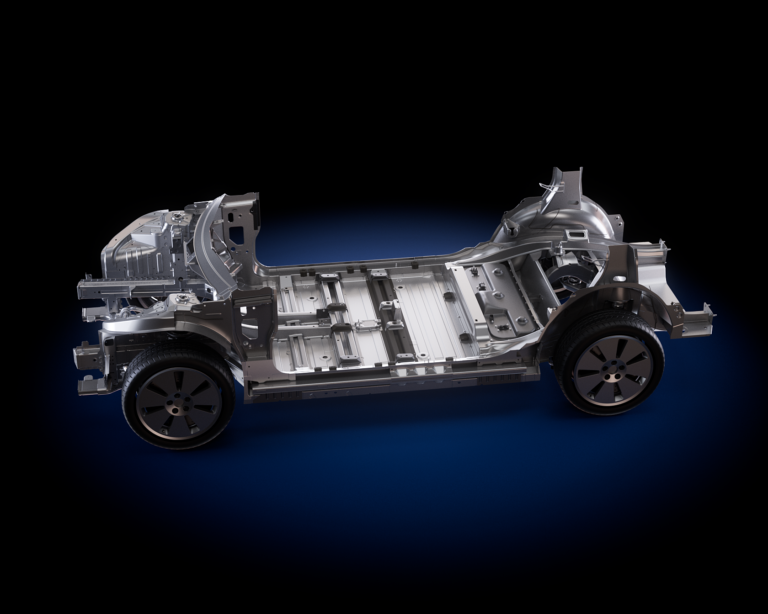
The PPE Sport architecture was designed exclusively for electric drivetrains — no provisions for a gas engine, transmission, or fuel tank. Fitting ICE into that platform would require serious rework, or an entirely separate approach.
Schmollinger wouldn’t speculate on whether gas engines might appear across the broader 718 lineup, saying only that “headquarters is constantly evaluating where the opportunities are.” That kind of corporate hedging tells you everything about how fluid the situation remains inside Zuffenhausen.
Meanwhile, Porsche stopped taking U.S. orders for the outgoing gas 718 last September and pulled both models from its online configurator. Production ended in October. There is currently no 718 you can buy.
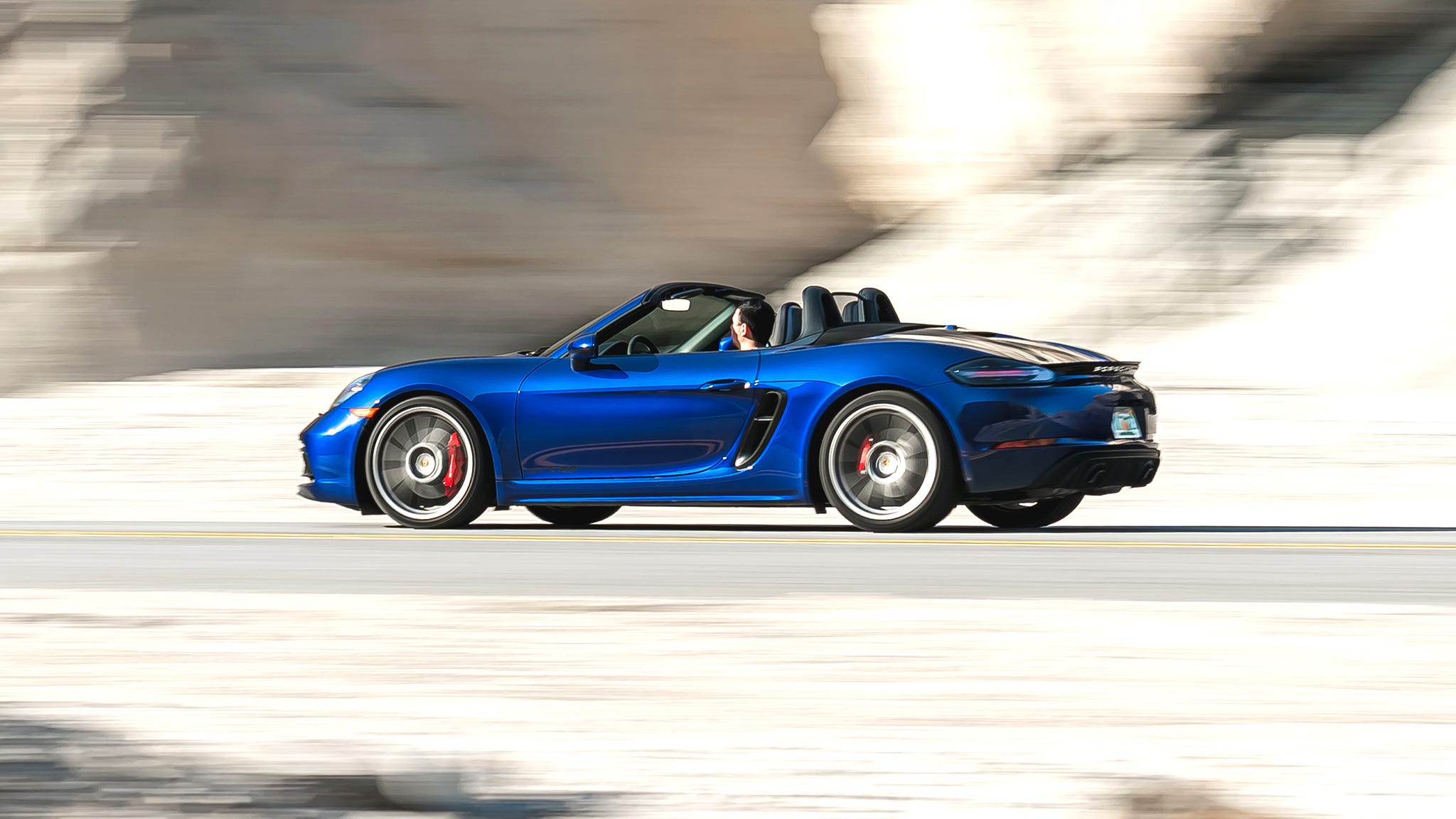
For a nameplate that has been a gateway drug to the Porsche brand for two decades, that gap is not trivial.
The financial picture adds another layer. Leiters revealed during the earnings call that Porsche paid Audi roughly €1 billion in licensing fees as part of a deepening parts-sharing arrangement across multiple models. The company is “fundamentally rethinking the development of sports cars” to cut costs and accelerate timelines — corporate language for admitting the old way was too expensive and too slow.
Porsche finds itself trying to thread an impossibly narrow needle: satisfy EV mandates and justify years of electric development spending, while reviving the combustion engines its customers never wanted to lose. The electric 718 isn’t dead. But it’s entering a market that moved on while Porsche was still deciding what it wanted to be.
Two executives calling the car “great” and “amazing” is encouraging. Shipping it to dealerships would be more so.
Share this Story