
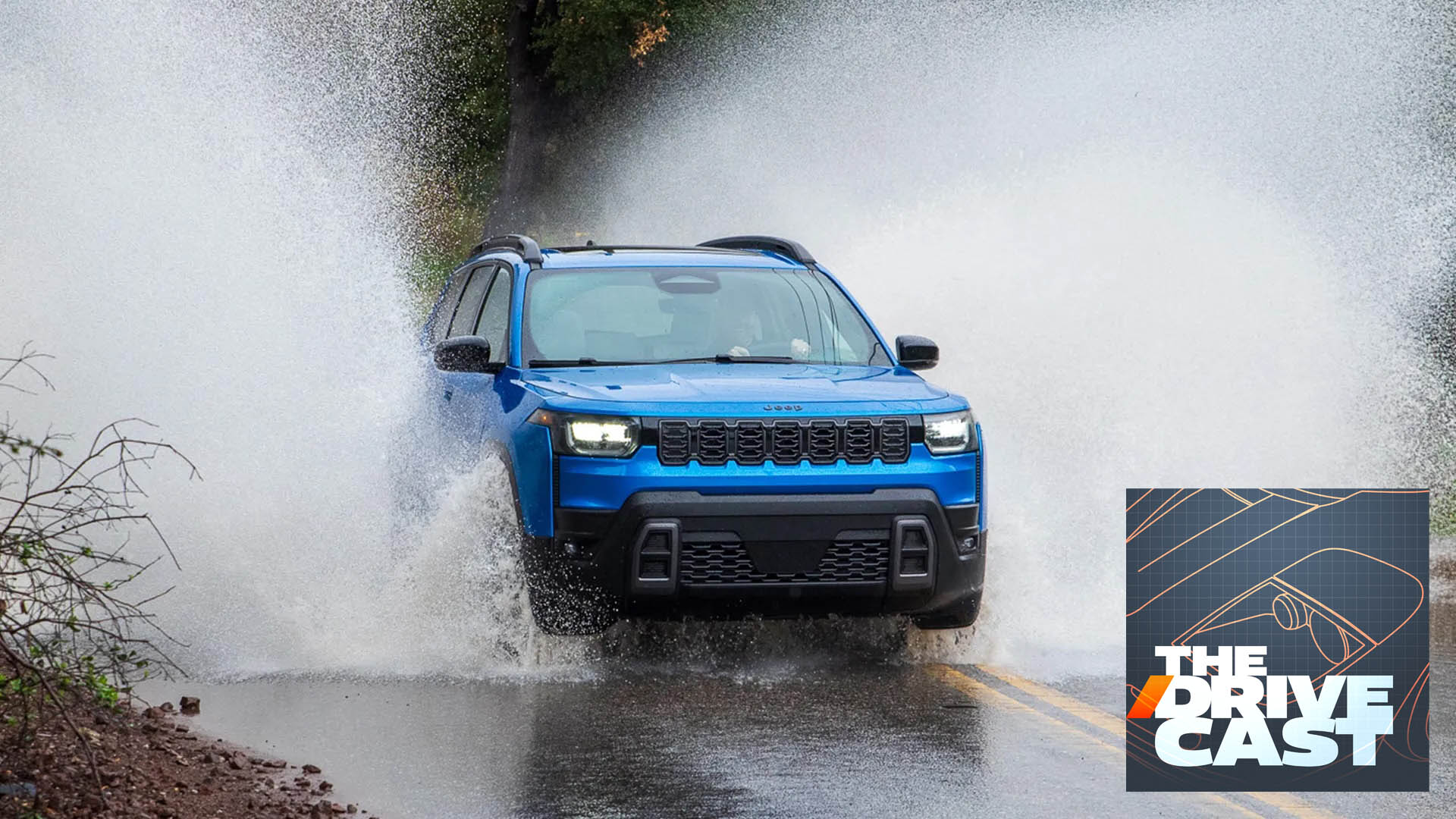


An American institution is in trouble, and the people running it know it. Jeep, the brand so synonymous with off-roading that its name became a generic term for rugged vehicles, is in the middle of a messy, public reckoning. Executives are openly acknowledging mistakes.
Prices ballooned out of control. Reliability tanked. The strategy got muddled. And somehow, a Wrangler ended up costing north of $100,000.
Now the brand is attempting a full-scale reset, and the moves are coming fast.
The most dramatic shift involves pricing. Jeep slashed $30,000 off a V8-powered Wrangler, a tacit admission that the sticker shock had gotten absurd. The Wagoneer nameplate has been dropped entirely, with the Grand Wagoneer lineup getting realigned to simplify a confusing hierarchy that left customers scratching their heads at dealerships.
The Wrangler 4xe plug-in hybrid, once the best-selling PHEV in the entire U.S. market, is dead. That news broke in January and sent a clear signal: electrification at Jeep is being rethought from the ground up. The plug-in experiment is over, at least in Wrangler form.
Meanwhile, the V8 is clawing its way back into the Grand Cherokee. Reports indicate SRT-badged Grand Cherokees with Hellcat power and Trackhawk badges are in the pipeline, a move that would thrill enthusiasts who felt betrayed when those models vanished. The Trail-Rated off-road Grand Cherokee trims that quietly disappeared from the lineup are also reportedly being addressed.
The 2026 Cherokee is back after a three-year absence, and Jeep is aiming it squarely at the Toyota RAV4 with a standard hybrid powertrain. Whether Jeep can actually compete on Toyota’s terms of efficiency and reliability remains an open question, but at least the targeting makes sense.
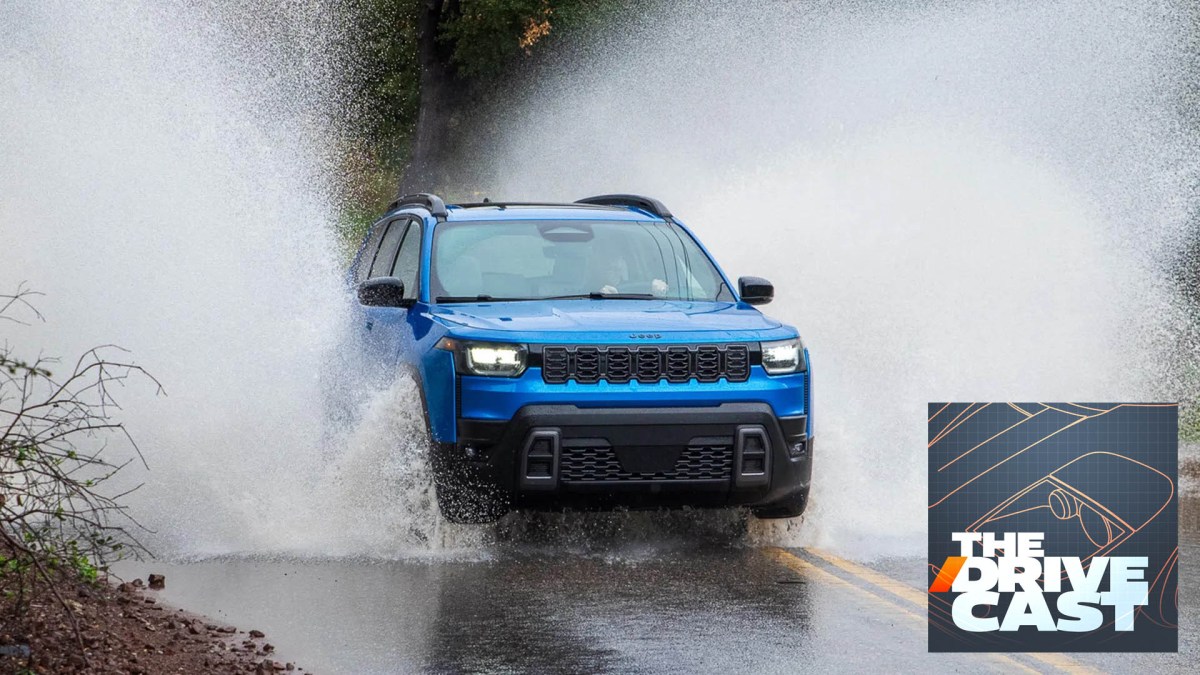
The refreshed 2026 Grand Cherokee debuts a new smaller Hurricane turbocharged four-cylinder engine option, signaling that Jeep is trying to offer more accessible powertrains without completely abandoning performance. It is a balancing act that will define whether this generation of Grand Cherokee can recapture buyers who drifted toward competitors.
On the electric front, things are less encouraging. The Jeep Wagoneer S, the brand’s first full EV, has been described as feeling unfinished by journalists who have driven it. That is a damning assessment for a vehicle that is supposed to represent Jeep’s future. The Recon, the rugged electric off-roader that generated genuine excitement when it was announced, still has not arrived.
This is the tension at the heart of Jeep’s turnaround. The brand is simultaneously trying to recapture its traditional identity — raw capability, reasonable pricing, V8 muscle — while also building credibility in an electric future it has not yet proven it can deliver. Those are two very different missions, and executing both at the same time requires a level of discipline that Stellantis has not consistently shown.
The pricing corrections and product realignment are necessary first steps. Killing the 4xe and bringing back V8 options shows Jeep is listening to what the market actually wants rather than what corporate strategy decks say it should want. But listening is the easy part.
Execution is where Jeep has stumbled repeatedly. Reliability issues, massive recalls, and half-baked products have eroded trust that took decades to build. Getting buyers back into showrooms requires more than nostalgia and press releases. It requires vehicles that work, that hold their value, and that justify the badge on the hood.
Jeep has the heritage. It has the brand recognition. What it needs now is follow-through. The trail back to relevance is steep, and the margin for error is gone.
Share this Story