


Reliability still moves metal. A 2024 CarGurus study found that 41% of buyers rank dependability as their top priority when shopping for a new car, outpacing even budget concerns. That makes Consumer Reports’ annual reliability rankings more than just a bragging contest — they’re a genuine sales weapon.
For 2026, Toyota has wrestled the top spot back from Subaru, which held the crown last year. Subaru slides to second, while Lexus drops from its 2025 silver position to third.
The family ties at the top of the list are hard to ignore. Toyota owns roughly 20% of Subaru, and the two companies share platform DNA across models like the bZ4X/Solterra and GR86/BRZ. Lexus, of course, is Toyota’s luxury arm, so the podium is essentially a Toyota-affiliated sweep.
The shake-up wasn’t caused by Subaru or Lexus falling apart. It was Toyota getting its act together after a bumpy stretch with several redesigned models.
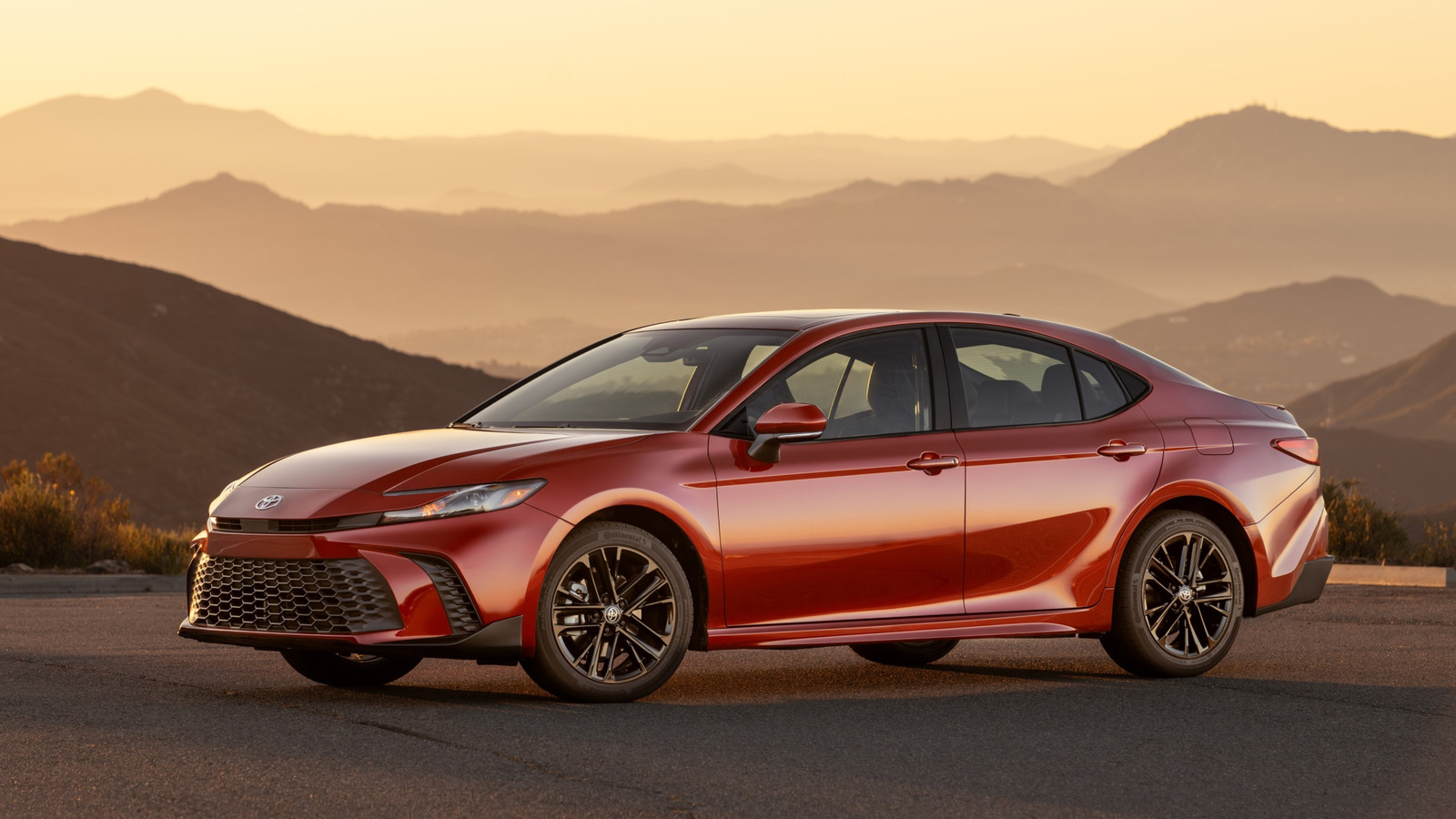
The ninth-generation Camry launched in 2025 with what Consumer Reports called merely average reliability. For 2026, the sedan has climbed to above-average predicted reliability as the automaker ironed out early production gremlins.
The Tacoma followed a similar trajectory. Its 2024 redesign initially delivered below-average dependability scores, but those numbers have now crept into average territory. The third-generation Tundra, which arrived for 2022 with a troubled twin-turbo V6 and a string of recalls, has also stabilized.
It’s worth noting just how thin the air is at the top. Only Toyota and Subaru actually earn above-average reliability scores in Consumer Reports’ system. The vast majority of brands, Lexus included, land in the average bucket, and Lexus missed the jump to above-average by a single point.
Further down the rankings, some dramatic moves are worth watching. Tesla climbed from seventeenth to ninth place, a leap driven largely by the Model Y and Model 3, which now rank as the most reliable vehicles in their respective EV segments. Consumer Reports noted that problem rates for body hardware, paint and trim, and electrical accessories have “decreased substantially.” For a brand long dogged by build quality complaints, that’s a meaningful shift.
Mazda’s story is less cheerful. The Hiroshima-based automaker cratered from sixth to fourteenth place, making it the lowest-ranked Japanese brand in the 2026 survey. Infiniti and Mitsubishi weren’t even included.
Two factors torpedoed Mazda’s standing. The plug-in hybrid versions of the CX-70 and CX-90 are dragging the brand down hard, based on owner surveys collected by Consumer Reports. The 2026 CX-90 PHEV scored particularly poorly, ranking 18th out of 20 mid-sized three-row SUVs for predicted reliability.
On top of that, Mazda lost the statistical boost from its best-selling CX-5. Consumer Reports excludes the first model year of any all-new vehicle from its predicted reliability rankings, and the redesigned CX-5 falls into that blackout window.
The broader takeaway is familiar but reinforced. Japanese automakers continue to dominate the reliability conversation, even as the industry shifts toward electrification and increasingly complex powertrains. Toyota’s ability to quickly resolve teething problems on redesigned models speaks to a manufacturing discipline that most competitors still can’t match.
For shoppers who prioritize long-term dependability over flashy tech or bargain pricing, the data continues to point in the same direction it has for decades. Toyota and its extended family sit at the top, and the gap between them and the rest of the pack remains real, even if it’s sometimes measured in single points.

Share this Story