


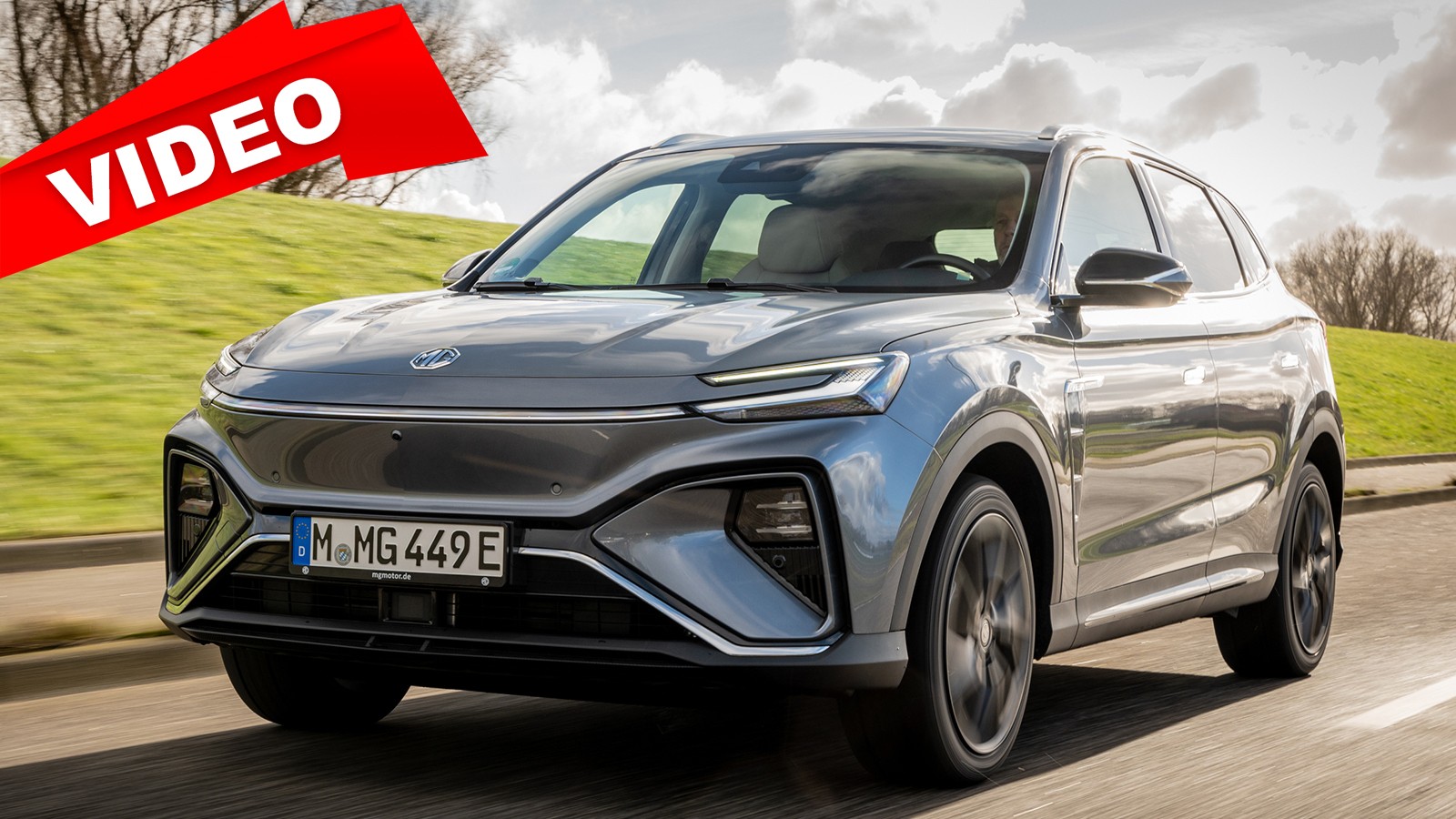
 Electric vehicle parked at a charging station
Electric cars continue to shape the future of transportation.
What is an EV License Plate?
Electric Vehicles (EVs) and plug-in hybrid owners in many countries can request an EV-specific license plate. This plate often features an additional identifier, such as an “E” or “EV” at the end, distinguishing environmentally friendly vehicles from traditional ones at a glance. Introduced to incentivize the adoption of low-emission vehicles, it also provides benefits unique to each region.
Key Features and Advantages
By acquiring this license plate, drivers often gain access to several perks:
- Free or discounted parking in designated public spaces.
- Bus lane access in some cities for faster commuting.
- Exemption from certain driving restrictions, like access to low-emission zones or congestion fees.
However, these benefits depend on local government policies, meaning they can vary significantly from one city to another.
Cost of EV License Plates
Applying for an EV license plate is straightforward and involves modest expenses:
- Administration fees: Up to $30 in some areas.
- License plate production: Between $20 to $30 depending on the region.
In total, expect the complete process to cost approximately $50 to $60. However, this small investment often results in substantial savings over time—especially in cities offering free parking or toll exemptions for EVs.
Eligibility: Which Vehicles Qualify?
Several types of vehicles can apply for an EV license plate. The eligibility criteria typically include:
- Battery Electric Vehicles (BEVs): 100% electric cars running solely on batteries.
- Fuel Cell Electric Vehicles (FCEVs): Hydrogen-powered vehicles.
- Plug-in Hybrids (PHEVs): These vehicles must meet specific requirements:
- Post-2018 models must offer a minimum of 40 km all-electric range or emit fewer than 50 grams of CO2 per km.
- Pre-2018 PHEVs require an all-electric range of at least 30 km.
Other eligible categories include:
- Passenger vehicles (Class M1).
- Electric vans under 3.5 tons (Class N1).
- Motorcycles and quad bikes (Class L3e, L5e, and L7e).
Vehicles That Don’t Qualify
Unfortunately, these vehicles do not meet the criteria:
- Mild hybrids or standard hybrids.
- Lightweight electric motorcycles or scooters.
- Heavy-duty trucks (above eligibility weight).
 EV charging station with car plugged in
Many cities limit free parking in charging stations to the duration of charging.
How to Apply for an EV License Plate?
Acquiring the special plate is very simple:
- Visit your local vehicle registration office.
- Provide the necessary documents:
- Vehicle registration proof (ownership papers).
- Insurance certificate.
- Government-issued ID.
- Verification of technical compliance (if requested).
There are no automatic designations—you’ll need to formally request the plate. Additionally, new EV plates can be coordinated with seasonal or interchangeable plates in certain regions.
Online Registration Options
In some places, registrations are moving online:
- Digital vehicle approval: Available in select regions, especially for businesses like dealerships.
- After online approval, drivers can use a digital registration certificate for 10 days without needing physical documents.
Criticism and Challenges
While the perks of EV license plates are attractive, there are criticisms:
- Varied Rules by Region: What’s allowed in one city might not apply elsewhere, leading to confusion for drivers.
- For instance, bus lane access may be permitted in one area and penalized in another.
- Questions of Fairness: Critics argue that earlier incentives for large plug-in hybrids disproportionately benefited higher-income groups driving luxury vehicles.
 Electric car driving in bus lane
Some cities allow EVs to use dedicated bus lanes to reduce congestion.
Current Status
In 2023, certain regions began scaling back perks for EV drivers:
- Cities like Hannover and Braunschweig in Germany eliminated free parking for EVs, citing that initial sales incentives have fulfilled their purpose. However, drivers can still enjoy free parking while actively charging at public stations.
Despite these changes, other locations are increasing EV benefits to maintain momentum in electrification:
- Bavaria (2025 initiative): Coming soon, EV drivers across Bavaria in Germany will receive up to three hours of free parking, even in major cities like Munich.
EV License Plate Benefits at a Glance
Benefit |
Details |
Availability |
|---|---|---|
Free parking |
Designated zones for EVs in many cities. |
Available; check local rules |
Bus lane access |
Faster travel and reduced congestion. |
Region-specific |
Fee exemptions |
Lower or no congestion-zone fees. |
Common in major urban centers |
By embracing EV license plates, owners not only enjoy local perks but also signal their commitment to a more sustainable and low-emission future.


Share this Story