
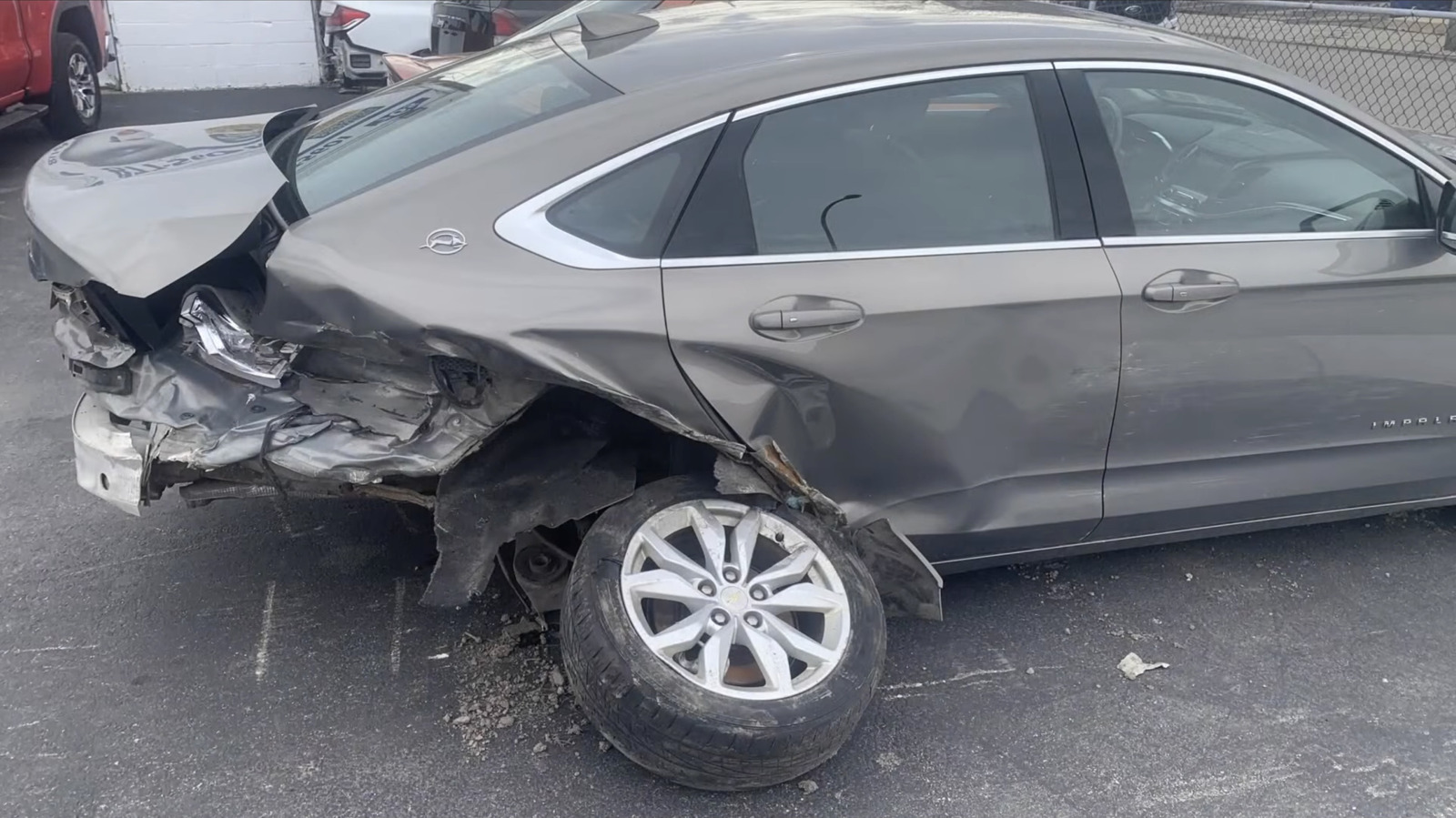


Katherine Scaglione wasn’t driving. She wasn’t even in her car. Her Chevy Impala was parked on a Buffalo street when a man allegedly fleeing an armed robbery carjacked a vehicle and plowed into it. The car is totaled, and her insurance company won’t pay a dime.
The chain of events started at a 7-Eleven on Prospect Avenue, where two off-duty Buffalo police officers walked into a robbery in progress. The suspect, identified by police as Dejuan Williams, ran. Officers gave chase on foot.
Williams allegedly carjacked a passing vehicle and tore off down the road, eventually slamming into three parked cars. Scaglione’s Impala absorbed the worst of it.
She carried only liability coverage. She’d bought the Impala from a family member, paid cash, no financing required. Without a lender demanding full coverage, and without the budget to pay for it herself, she went with the minimum.
Liability covers damage you cause to someone else’s property. It does nothing when someone else destroys yours.
This is the gap that swallows people whole. Comprehensive or collision coverage would have handled it. But those policies cost money Scaglione didn’t have, and no law required her to carry them.
So the system worked exactly as designed and left her holding the wreckage.
The obvious target for compensation is Williams himself. But Scaglione isn’t naive about her odds. “If the gentleman’s taking over a 7-Eleven, he probably doesn’t have enough food for himself, let alone good insurance,” she told WGRZ.
Williams now faces charges including attempted murder for allegedly shooting the store clerk, firing shots at police, two counts of attempted assault, and criminal possession of a weapon while on parole. A civil judgment against him would be worth less than the paper it’s printed on.
Some might reflexively blame the police pursuit. But the facts don’t support that. Williams had already outrun the officers on foot before the crash.
No squad cars were in pursuit. No high-speed chase forced him into those parked vehicles. He made those choices on his own, allegedly in a stolen car, after allegedly trying to kill a convenience store clerk.
Even New York’s proposed restrictions on police pursuits carve out exceptions for suspects whose conduct threatens immediate severe bodily harm or death. A man who allegedly shoots a clerk and fires at cops clears that bar comfortably. None of which helps Scaglione get to work tomorrow.
She’s handling it with dark humor. “If I don’t laugh, I might cry,” she told the station. She said she’ll park in the back from now on and read the fine print on her next policy.
The uncomfortable truth buried in this story is that millions of American drivers carry only liability insurance because that’s all they can afford or all the law demands. They are one freak incident away from absorbing a total loss with zero recourse. The person at fault may be judgment-proof, the police may have done nothing wrong, and the insurance company may be following the contract to the letter.
The driver who did everything a reasonable person would do — parked legally, stayed home, harmed nobody — gets nothing.
Scaglione’s situation is statistically rare. A parked car demolished by a carjacking suspect fleeing a botched armed robbery doesn’t show up in actuarial tables very often. But the underlying vulnerability isn’t rare at all.
It’s baked into every bare-minimum policy on the road. The system didn’t fail Katherine Scaglione. It simply never promised to protect her in the first place.


Share this Story