
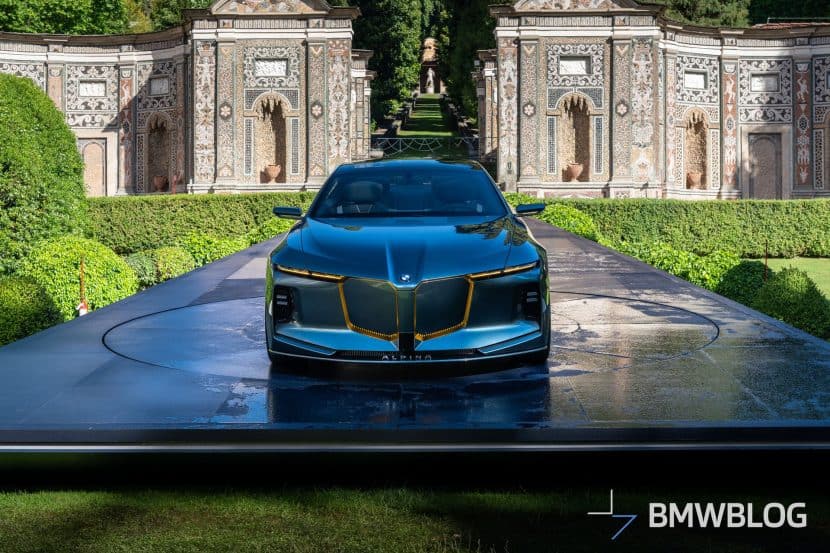


Four years after acquiring the ALPINA brand name, BMW is finally showing its hand. The first production model — a dolled-up 7 Series — arrives next year. And the company is already wrestling with a question that will define whether ALPINA becomes a genuine luxury marque or just another trim level: where do you sell it?
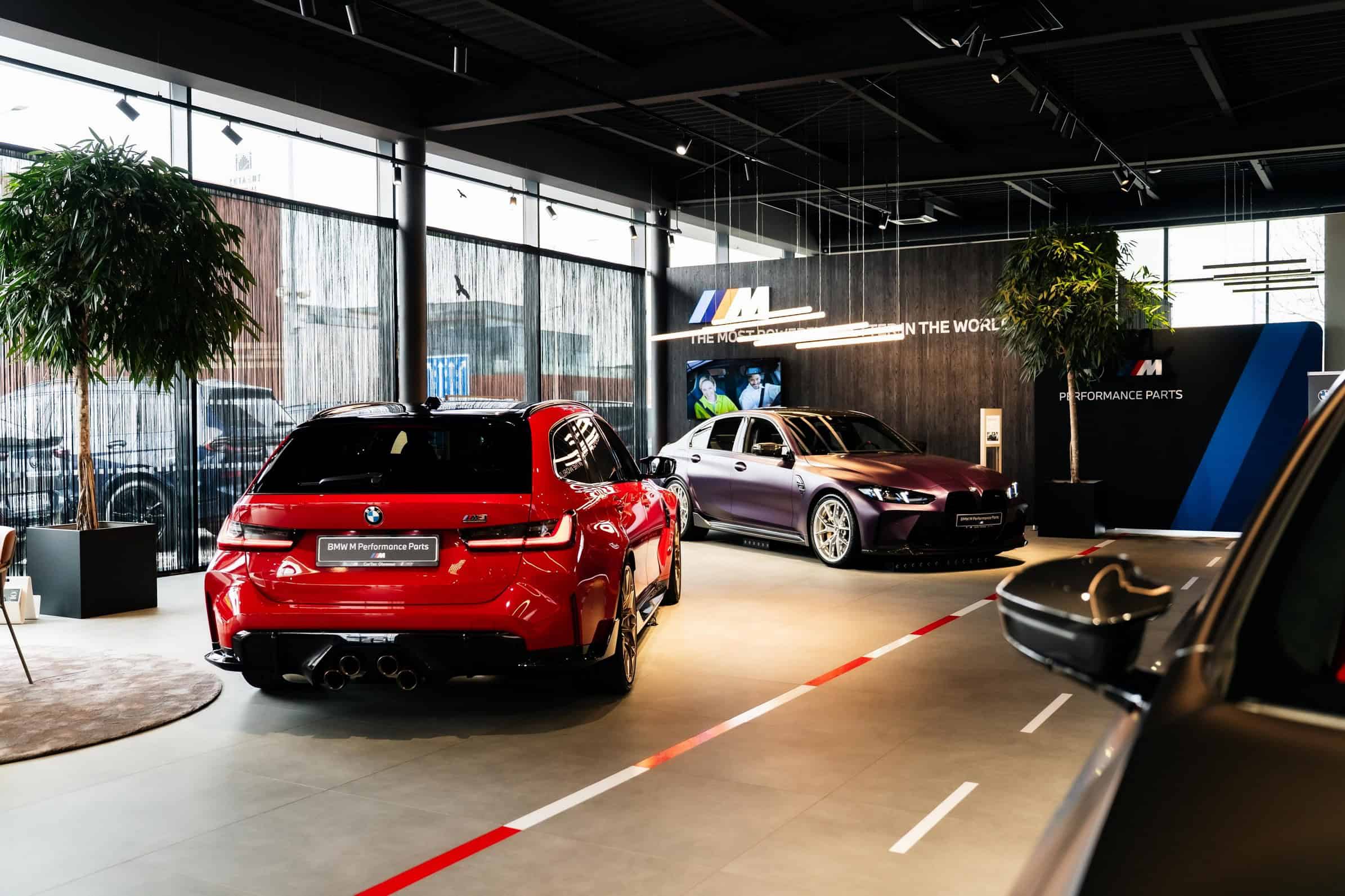
The answer, according to Maximilian Missoni, BMW’s Head of Design for Upper Mid-Size, Luxury Class, and ALPINA, is still being sorted out. In an interview with BMWBLOG, Missoni confirmed that ALPINAs will be sold through existing BMW dealerships with dedicated, clearly branded spaces. But he also left the door wide open for something more ambitious — standalone ALPINA stores that wouldn’t share a single square foot with a 3 Series.
“There could also be standalone ALPINA locations. That’s not defined,” Missoni said. “These talks are going on with the markets at the moment.”
The ambiguity is telling. BMW knows that luxury customers don’t want to configure a six-figure car next to someone haggling over a 228 Gran Coupe lease. Mercedes learned this years ago with Maybach, which benefits from dedicated showroom areas and white-glove treatment within existing dealer footprints. BMW is studying the same playbook but appears tempted to go further.
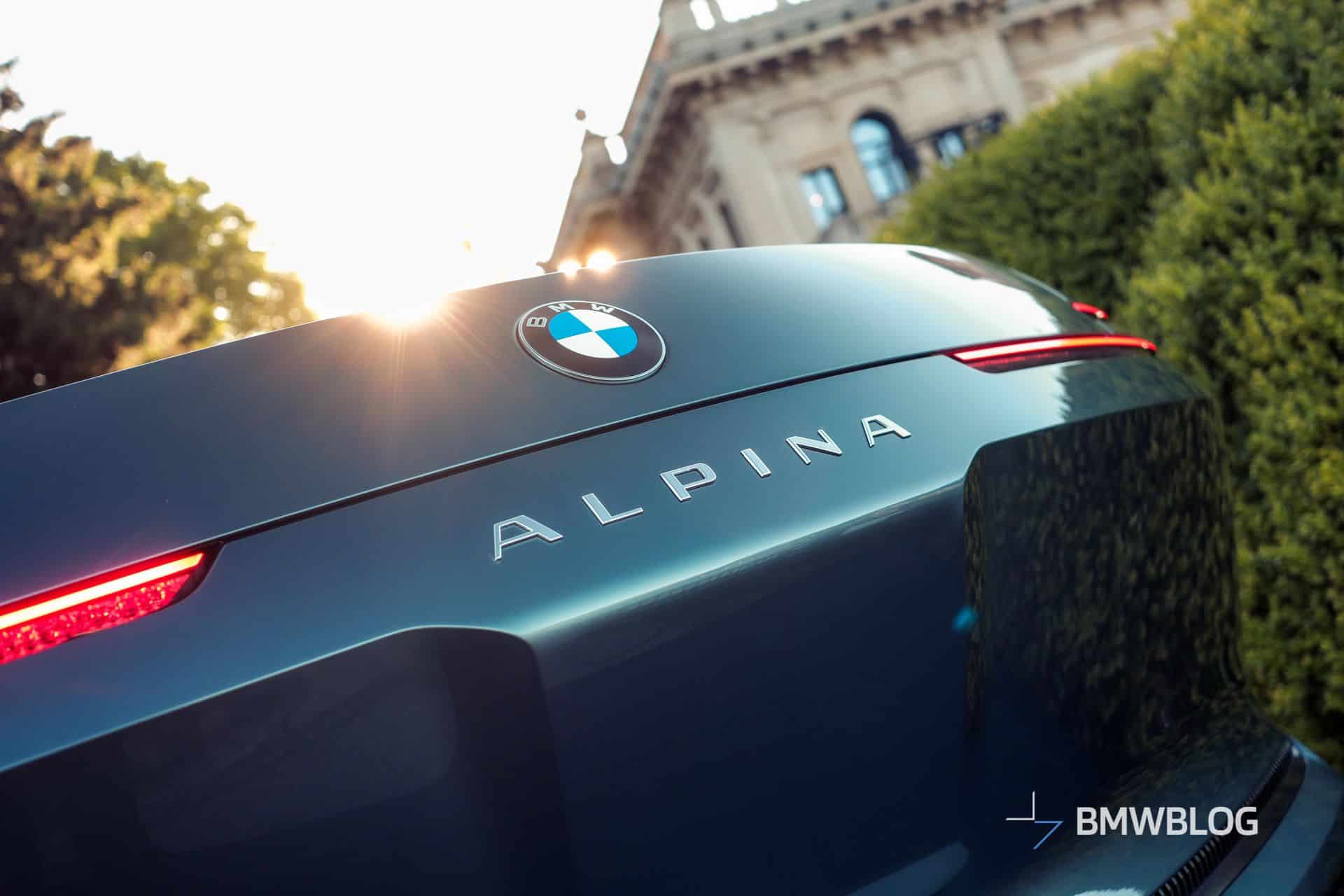
The tension, though, is that ALPINA has to thread a needle between BMW and Rolls-Royce — two brands already owned by the same parent company. Missoni drew the line clearly. ALPINA will offer more personalization than a standard BMW, but it won’t touch Rolls-Royce’s bespoke territory.
No private design offices. No coachbuilt commissions. “That’s where Rolls-Royce starts,” he said.
So ALPINA gets its own branded spaces, its own customer interaction areas, its own individualization process — but not too much of any of it. It’s luxury with guardrails, calibrated to slot precisely into the gap BMW has identified between its core brand and the Spirit of Ecstasy.
The first car to test this positioning will be the ALPINA version of the facelifted 7 Series, internally designated G72, built on the same Dingolfing line as the standard G70. Expect inline-six and V8 powertrains. No V12 — that engine is Rolls-Royce’s birthright, and BMW isn’t about to cannibalize its crown jewel. Electric ALPINAs are planned eventually, though the brand’s iconic quad elliptical exhaust tips suggest combustion will remain the emotional core for some time.
The broader product strategy mirrors Maybach’s almost beat for beat. Start with the flagship sedan, add a luxury SUV — likely an ALPINA-badged next-generation X7 to rival the Maybach GLS — and then consider working down the range. It’s a top-down approach designed to establish credibility before diluting the badge.
BMW did trot out the Vision BMW ALPINA concept, a gorgeous V8-powered 2+2 coupe that generated genuine excitement. But it’s built on the discontinued 8 Series Gran Coupe platform, which means it’s a dead end. A showpiece with no production future unless BMW engineers an entirely new donor car.
The real test comes next year when actual metal hits actual showrooms — wherever those showrooms turn out to be. Standalone stores would signal that BMW is genuinely investing in ALPINA as a distinct luxury brand with its own identity and retail experience. Settling for a roped-off corner of existing dealerships would suggest something less committed.
BMW has the product pipeline, the manufacturing capacity, and the brand equity to make ALPINA a credible Maybach rival. The question isn’t whether the cars will be good enough. It’s whether BMW is willing to spend the money and take the risk of building a retail experience that matches the promise. Missoni’s careful hedging suggests that debate is far from settled inside Munich.
Share this Story