


The executive chairman of Ford Motor Company stood up in Washington on Tuesday and told an uncomfortable truth his own company doesn’t seem to want to hear. “We have to go toe-to-toe with China,” Bill Ford said at an Axios event, per the Wall Street Journal. “We can’t expect to keep them out forever, and we have to be able to beat them at their own game.”
That puts him directly at odds with the man running his company day to day. CEO Jim Farley told Fox News in April that “we should not let them into our country,” calling competition with subsidized Chinese EVs “not a fair fight.
So within one corporate headquarters in Dearborn, the chairman says compete and the CEO says block the door. That’s not a mixed message. That’s a strategy crisis.
Ford is also a dues-paying member of the Alliance for Automotive Innovation, the industry lobby group actively backing the Connected Vehicle Security Act introduced by Senators Bernie Moreno and Elissa Slotkin. That bill aims to ban Chinese-built vehicles and their underlying technologies from American roads entirely. AAI president John Bozzella has been blunt about it: “The U.S. will not throw open the doors to Chinese automakers to manufacture or sell here.
Bill Ford isn’t buying the fortress approach. He’s thinking in longer arcs than election cycles, and he said as much. “Our lead times are longer than political lead times,” he noted, calling for a bipartisan industrial policy that could survive changes in administration. He acknowledged even suggesting bipartisanship sounds naive right now.
It doesn’t sound naive. It sounds like someone who remembers what happened to Detroit the last time it assumed protectionism would save it from foreign competition. Japanese automakers were supposed to be kept at bay too, once upon a time. They weren’t. They built plants in Tennessee, Kentucky, and Ohio, and they stayed.
The Chinese are already closer than the legislation pretends. Mexico has welcomed Chinese EV production. Canada recently opened a limited import quota.
Volvo, owned by Chinese conglomerate Geely, just got Commerce Department clearance to keep selling here, though its sibling Polestar did not. Ford’s own Lincoln Nautilus is manufactured in China and sold to American buyers right now.
The inconsistency is the tell. Washington is drawing lines in sand that the tide keeps washing away. Bill Ford seems to understand that a wall built on executive orders and shifting political winds is not a business plan.
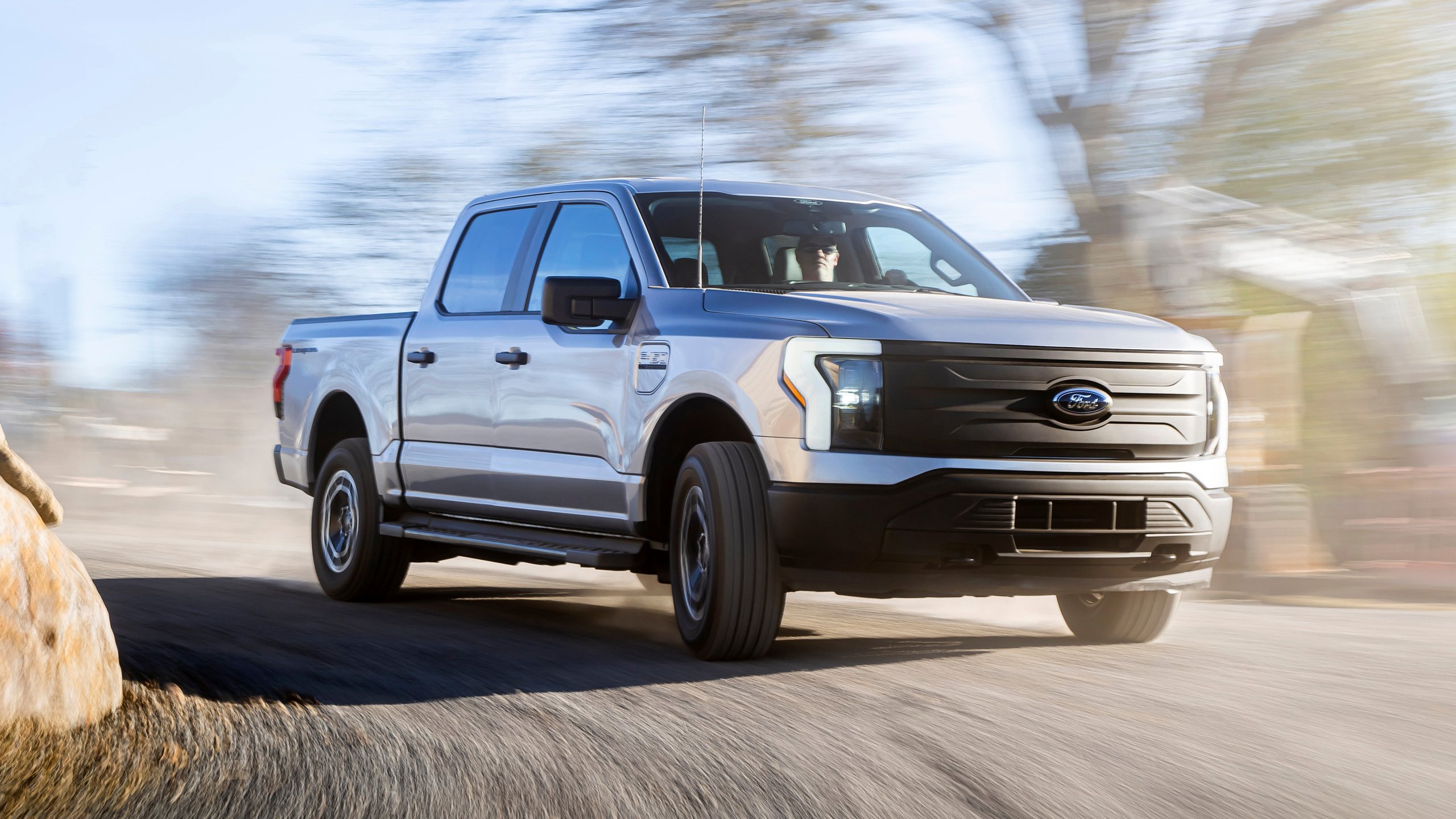
To his credit, Ford is backing the talk with product. The company is developing a $30,000 electric pickup, an answer to Chinese cost advantages delivered in the most American package imaginable. Startup Slate is chasing the same logic with a smaller, cheaper EV. Whether either can match the manufacturing efficiency that Chinese automakers have built over the past decade remains an open question.
The American auto industry has been here before, threatened by cheaper, more efficient foreign competitors and torn between fighting and hiding. The companies that fought got better. The ones that lobbied for protection got complacent and got crushed anyway, just a little later.
Bill Ford is 67 years old. His great-grandfather’s name is on the building. When he says the threat is a matter of “when” and not “if,” he’s not guessing. He’s reading a clock that the rest of the industry is trying very hard to ignore.
Share this Story