
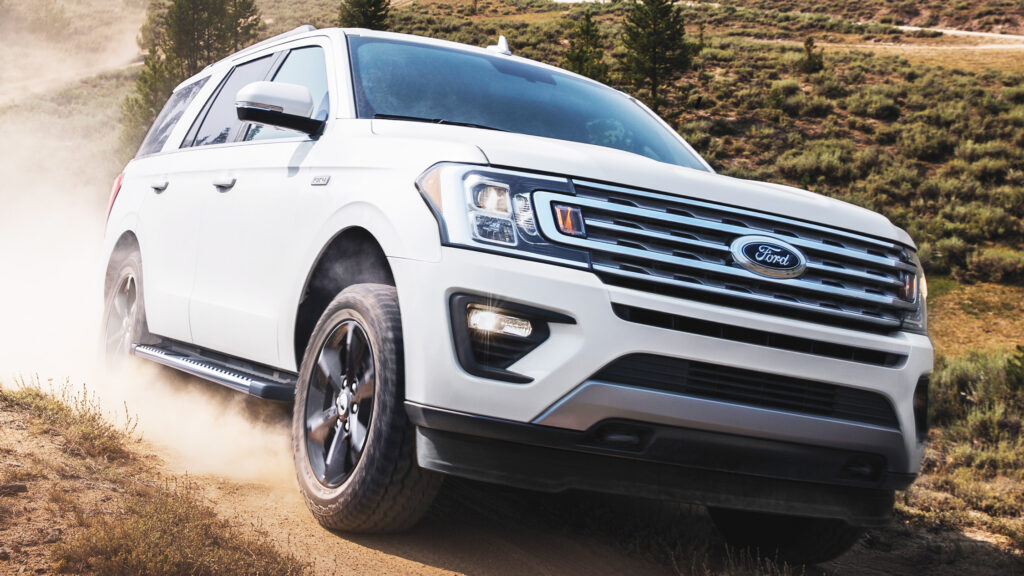


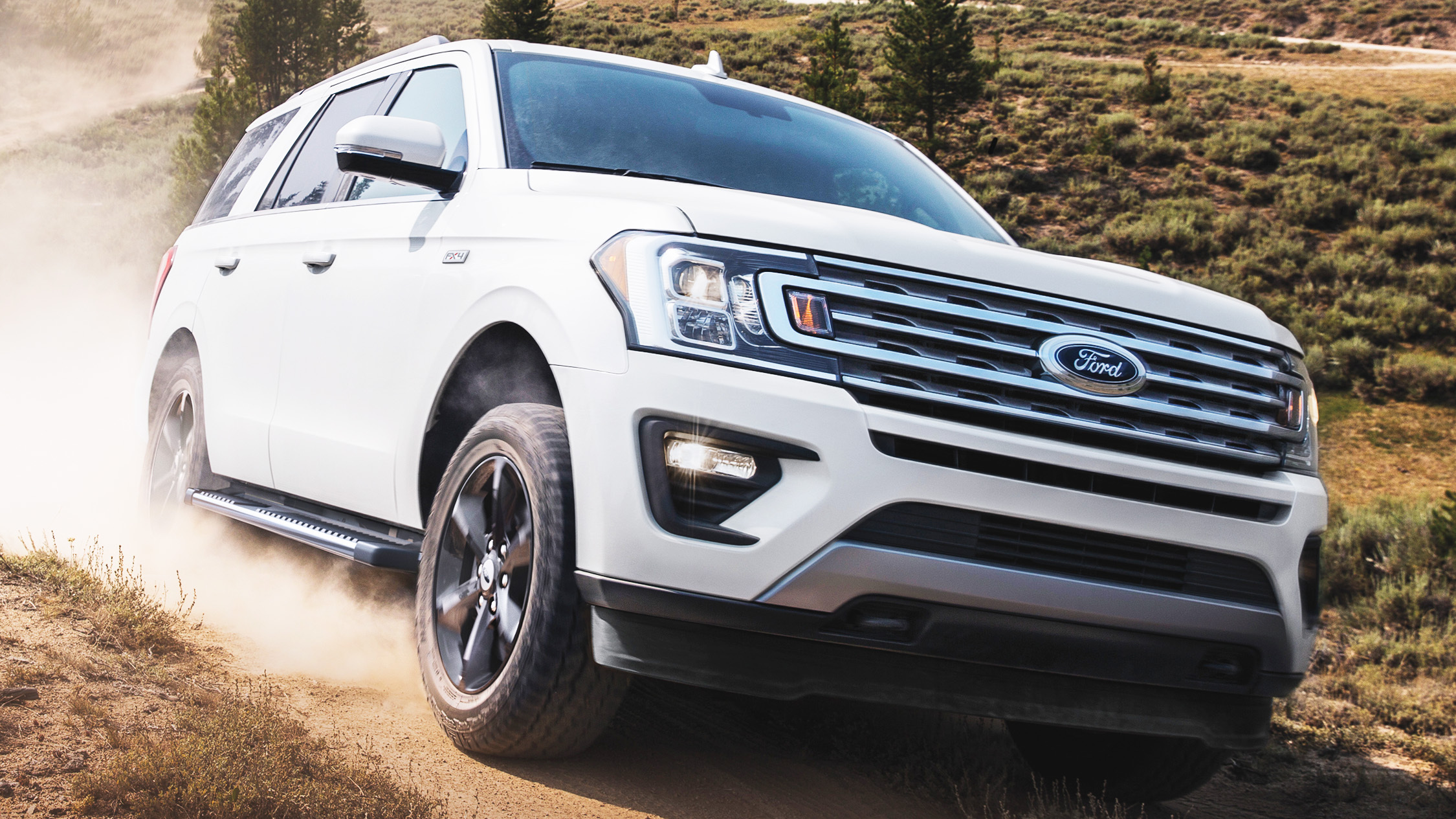
Nearly 420,000 Ford Expeditions and Lincoln Navigators are heading back to dealers because their seatbelts can spontaneously lock occupants in place without warning. This isn’t even the first time Ford has tried to fix the problem.
The recall covers 2018-2022 model year Expeditions and Navigators built at Ford’s Kentucky Truck Plant between May 2017 and October 2022. The culprit is the front seatbelt retractor pretensioner, a pyrotechnic device designed to cinch the belt tight during a crash. In these trucks, it can fire when there’s no crash at all.
When it goes off, the belt locks down hard. It won’t retract. It won’t extend. The occupant is pinned.
Ford acknowledges the deployment itself can injure people, given the violent force a pretensioner generates when it fires. A belt frozen in place won’t protect anyone properly in an actual collision, either. So you get a device meant to save your life that can both hurt you and then fail to do its job when it counts.
The root cause is chemical. The propellant inside certain pretensioners degrades when exposed to sustained high temperatures over time. As it breaks down, corrosive byproducts eat away at internal components, eventually triggering a spontaneous deployment.
Owners in Sun Belt states who park outside should be paying particularly close attention. Ford says an illuminated airbag warning light on the dashboard may precede the event. That’s cold comfort if the belt fires while you’re merging onto a highway at 70 miles per hour.
This is the third recall Ford has issued for the same underlying defect on the same vehicles. The automaker warns that trucks previously repaired under earlier campaigns may still need inspection under this expanded action. That means some owners are making their third trip to the dealer for a problem Ford first identified and supposedly addressed years ago.
The fix this time involves inspecting both front seatbelt retractors and replacing suspect units with parts using a revised propellant and stabilizer combination. Ford says the new chemistry offers “improved long-term chemical stability,” which is a polite way of admitting the original formulation wasn’t stable enough. Repairs begin in late summer at no cost to owners.
The 419,967 vehicles affected represent a significant chunk of Ford’s full-size SUV production over a five-year window. The Expedition and Navigator are among the most profitable vehicles Ford builds, with transaction prices routinely exceeding $60,000 and climbing well past $100,000 for loaded Navigators. These are family haulers, road-trip trucks, the kind of vehicles where second-row passengers are often children.
Ford has been dealing with a steady drumbeat of recall activity across its lineup. Just recently, the company told 4,653 Maverick and Bronco Sport owners to park their vehicles entirely over a separate safety concern. The volume and repetition of these actions raise a straightforward question about quality control at Kentucky Truck Plant during that 2017-2022 production span.
Three bites at the same apple is not a great look for any automaker, especially on a component as fundamental as a seatbelt. Ford says the new parts are better. Owners will find out if that’s true in a few years, or sooner, if they end up back at the dealer a fourth time.
Share this Story