
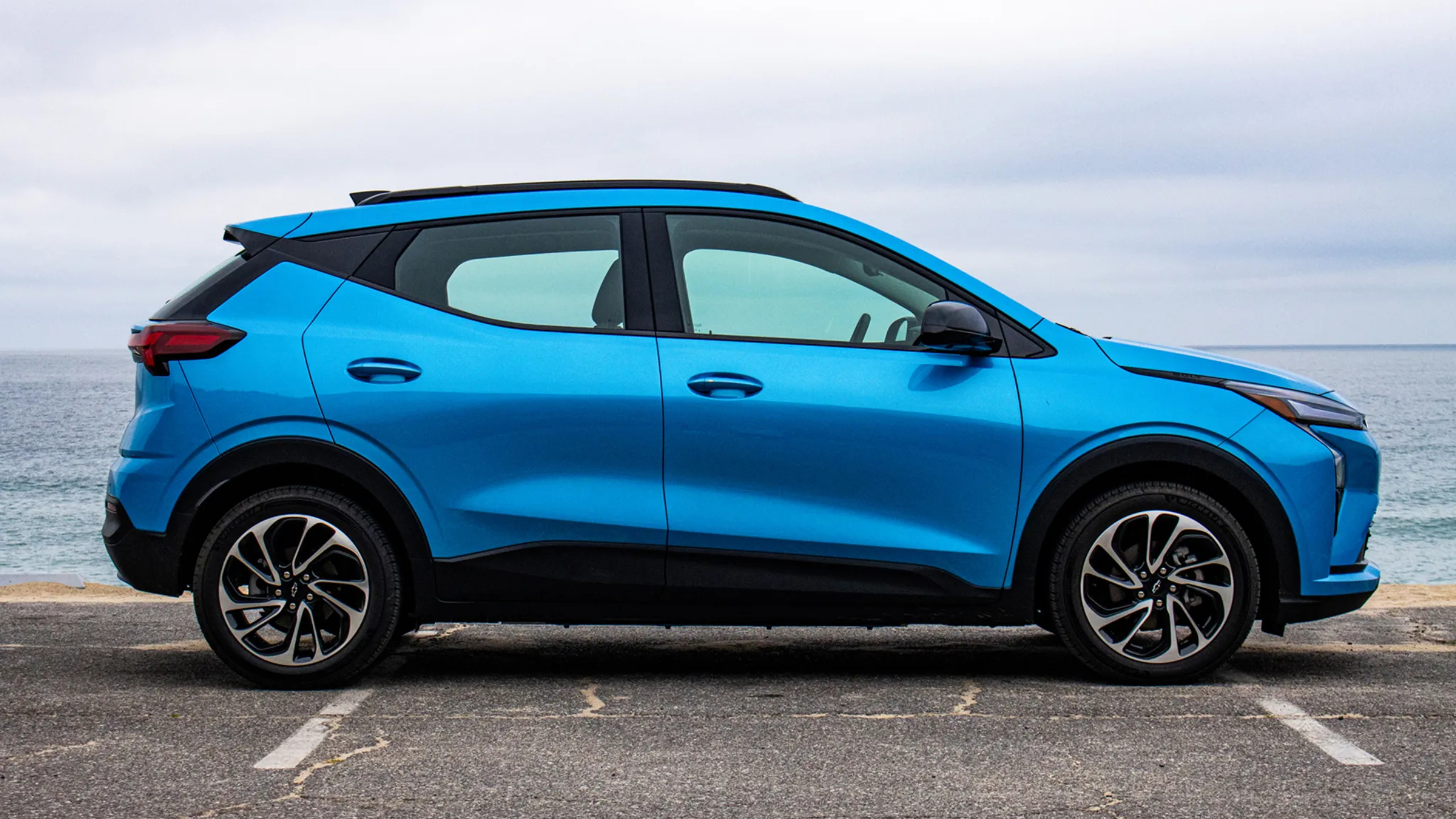


General Motors is promising to hold the 2027 Chevrolet Bolt’s base price below $30,000 for as long as the car remains on sale. That sounds like a serious commitment until you learn “as long as it remains on sale” means roughly 18 months.
The Fairfax assembly plant in Kansas that builds the new Bolt is already earmarked to switch over to a gas-engine Buick crossover. So the cheapest EV in America was born with an expiration date stamped on its forehead.
“Because it’s a limited run, it’s not like we’re going to be making a bunch of changes,” Bolt chief engineer Jeremy Short told The Drive. “No, we have no intention of” raising the price, he added. Easy promise to keep when the clock is already ticking.
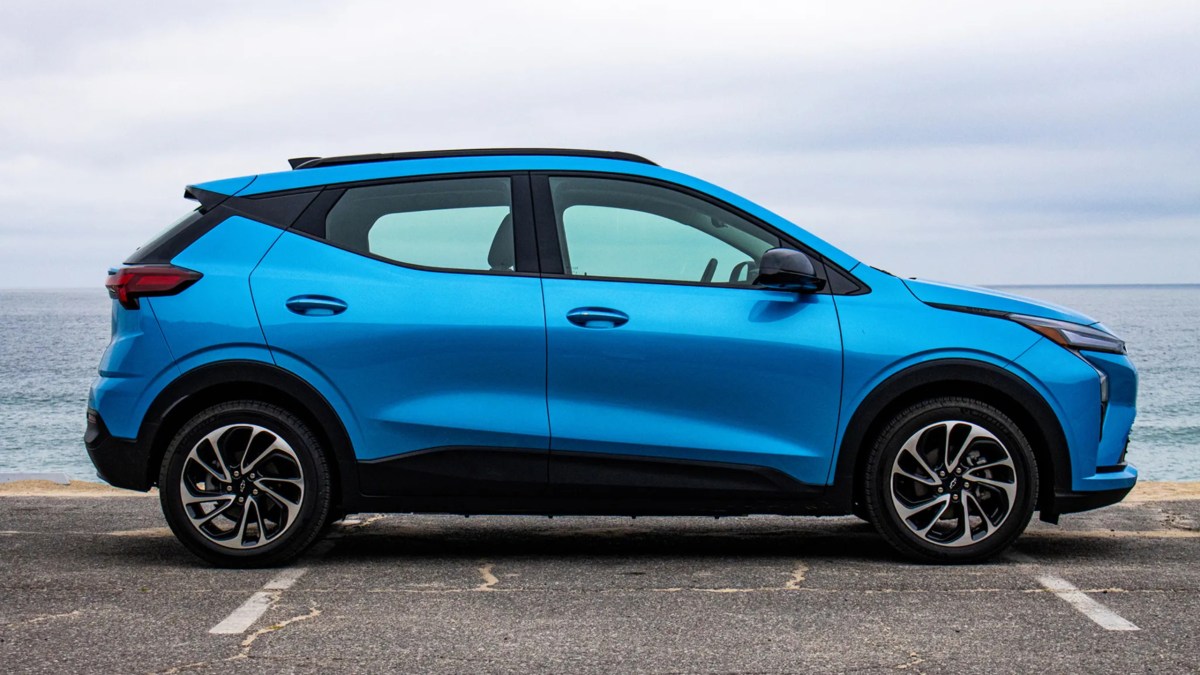
The base Bolt LT starts at $28,995. The RS trim, mechanically identical but dressed up with gloss-black accents, heated and ventilated seats, and a heated steering wheel, runs $33,390 as tested. Nothing else with a plug undercuts it, including the resized Nissan Leaf, which still starts north of $30,000.
How did GM get there? Short credits the first-generation car. The new Bolt looks conspicuously like the old Bolt EUV, and that family resemblance saved real money.
“The combination of time and cost was probably enabled by the previous model,” he said. Seven years of customer data didn’t hurt either. GM learned its Bolt buyers split into two camps: value-first shoppers who want cloth seats and nothing they didn’t ask for, and tech-hungry buyers who want Super Cruise, 360-degree cameras, and a full display mirror in the most parkable car they can find.
Under the skin, the changes are real. The old lithium-ion battery pack is gone, replaced by a lithium-iron-phosphate unit with the same 65-kWh capacity and 262 miles of EPA range. Peak fast-charging speed jumps from a pitiful 55 kW to a respectable 150 kW.
Bidirectional charging is now part of the package. And the Bolt becomes the first Chevy EV with a native NACS port, meaning it plugs directly into Tesla Superchargers without an adapter.
First drive impressions reveal a car that’s more appliance than hot hatch. Despite 210 horsepower and a short wheelbase, testers found the throttle response deliberately dulled, the body roll surprising for a car with a floor full of batteries, and the 6.8-second zero-to-sixty time making it one of the slowest EVs currently on sale. Charging performance also undershot GM’s claims, peaking at just over 110 kW during a real-world Supercharger session rather than the advertised 150 kW.
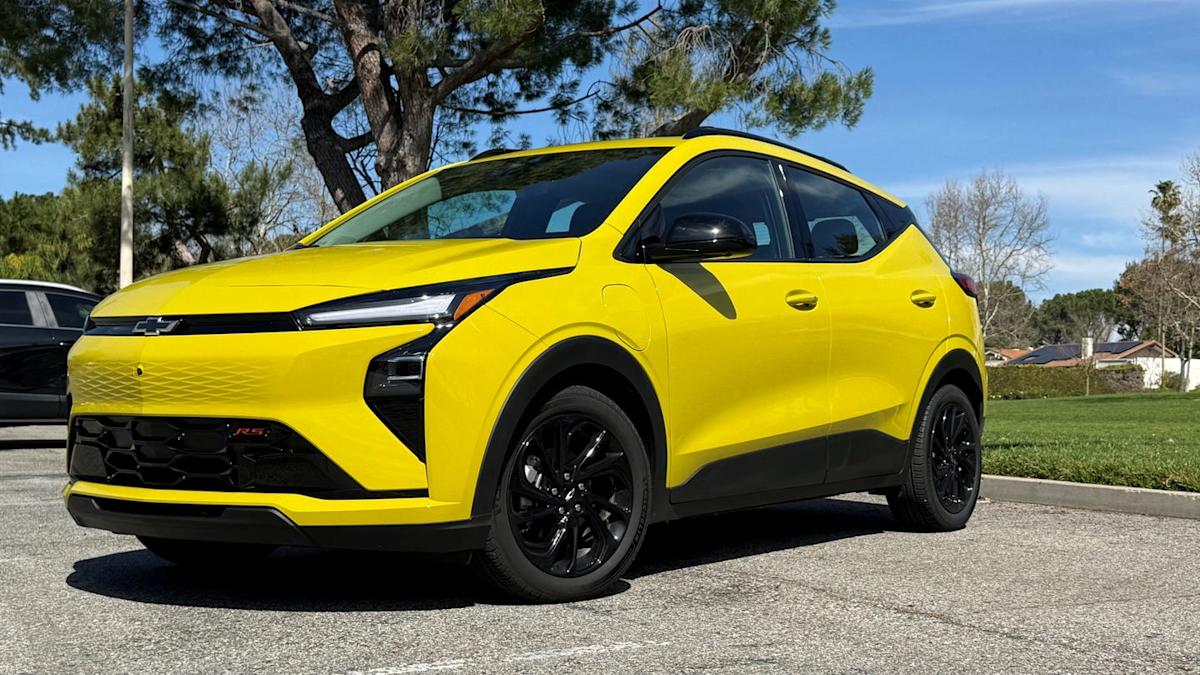
Super Cruise availability is a genuine bright spot, even if the $3,255 option price plus a mandatory $1,195 technology package and an ongoing subscription take some shine off. The interior is roomy up front and cramped in the back. Apple CarPlay and Android Auto are gone, replaced by GM’s Google-based infotainment system and eight years of bundled streaming data.
The tension at the heart of the Bolt story is impossible to ignore. GM killed this car, then brought it back to great fanfare, and is already planning to kill it again so a Buick can take its parking spot on the assembly line. The sub-$30,000 price hold is less a strategic commitment than a recognition that there’s simply no time to change course.
For budget EV shoppers, the math still works. The Bolt doesn’t need a federal tax credit to be affordable, which insulates it from the tariff and incentive chaos roiling the rest of the market. It charges faster, plugs into the biggest fast-charging network in the country, and costs less than anything else with a battery.
Just don’t wait around. GM built the Bolt a short runway, and the plane is already rolling.



Share this Story