
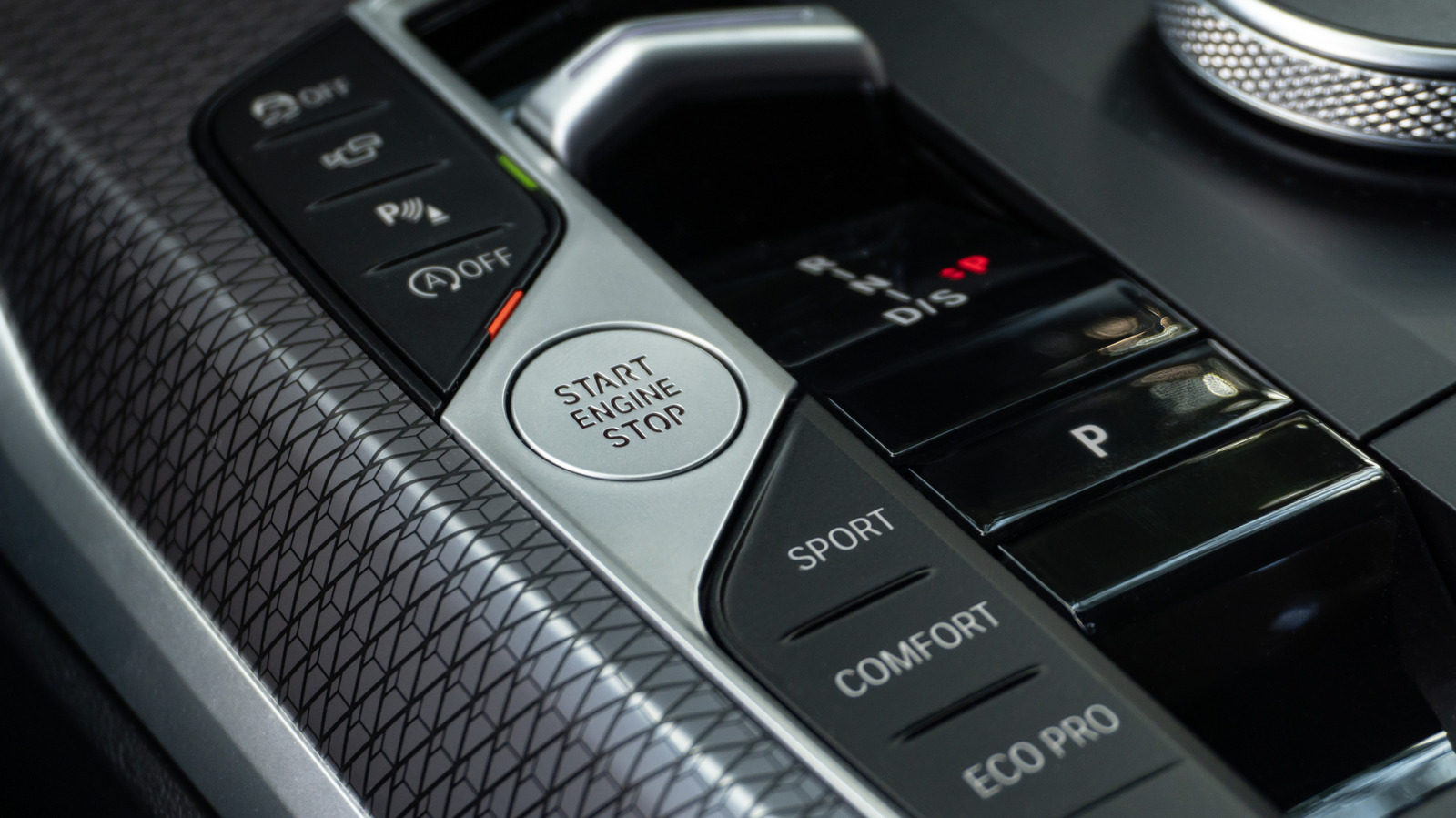


Few features in modern cars generate as much disdain from drivers as auto start-stop. You pull up to a red light, the engine shuts off, and a wave of anxiety washes over you. Surely all that stopping and starting is grinding your engine into dust, right?
Not so fast.
A study by the Society of Automotive Engineers found that auto start-stop can deliver a 7 to 26 percent improvement in fuel consumption, depending on how much idling your commute involves. The more stop-and-go traffic you sit in, the bigger the payoff. That’s a wide range, but even the low end is nothing to scoff at when gas prices keep climbing.
The real story, though, isn’t about fuel savings. It’s about the engineering that goes on behind the scenes to make sure the technology doesn’t eat your car alive.
Denso, which supplies starter motors to a long list of automakers, offers three distinct designs built specifically for start-stop duty. One uses improved ring and pinion gear actuation to cut down on wear. Another, the tandem solenoid version, reduces the electrical load on the system.
The third is a permanently engaged design that’s quieter, faster, and more efficient during repeated stop-start cycles. These aren’t your grandfather’s starter motors. They’re purpose-built for a life of constant engagement.
The battery situation is similarly overbuilt. Most manufacturers specify deep-cycle absorbent glass mat batteries for their start-stop systems. AGM batteries handle temperature swings better, charge faster after an engine restart, and have lower internal resistance than standard flooded lead-acid units.
Sophisticated power management modules keep everything balanced, monitoring voltage and charge states in real time.
Here’s a wrinkle, though. If someone replaces an AGM battery with a cheaper conventional one during a routine service, it can cause real problems. And then the start-stop system takes the blame for issues it didn’t create.
The onboard computers running these systems aren’t stupid, either. They monitor oil temperature, ambient conditions, and engine state continuously. If the engine has been off too long and risks going cold, especially in frigid weather, the system fires it right back up to prevent internal damage.
Component suppliers have also stepped up. Federal-Mogul developed polymer-coated bearings for start-stop engines that can handle more than 300,000 start cycles. That’s three times the lifespan of a typical main bearing.
Some vehicles use integrated starter-alternator designs with dedicated control modules running protection programs against the added strain.
None of this means the system is flawless. Engine mounts can experience increased wear from the constant cycling. AGM batteries, while durable, are sensitive to overcharging.
And like any complex system, things can go wrong over time that lead to additional maintenance visits. But the notion that auto start-stop is secretly destroying engines wholesale? That’s a myth that doesn’t hold up against the engineering reality.
Automakers aren’t bolting this technology onto vehicles as an afterthought. Every component in the chain, from the starter motor to the bearings to the battery management software, has been designed or upgraded to handle the specific demands of repeated stop-start cycles. The systems are smarter and more resilient than most drivers give them credit for.
Whether you love it or hate it, auto start-stop isn’t going anywhere. The fuel economy regulations driving its adoption are only getting stricter, and the technology is only getting more refined. Your best move is to stop worrying about it and let the engineers do what they’ve already done: build a system that can take the punishment.
Just don’t cheap out on the battery replacement. That part’s on you.





Share this Story