
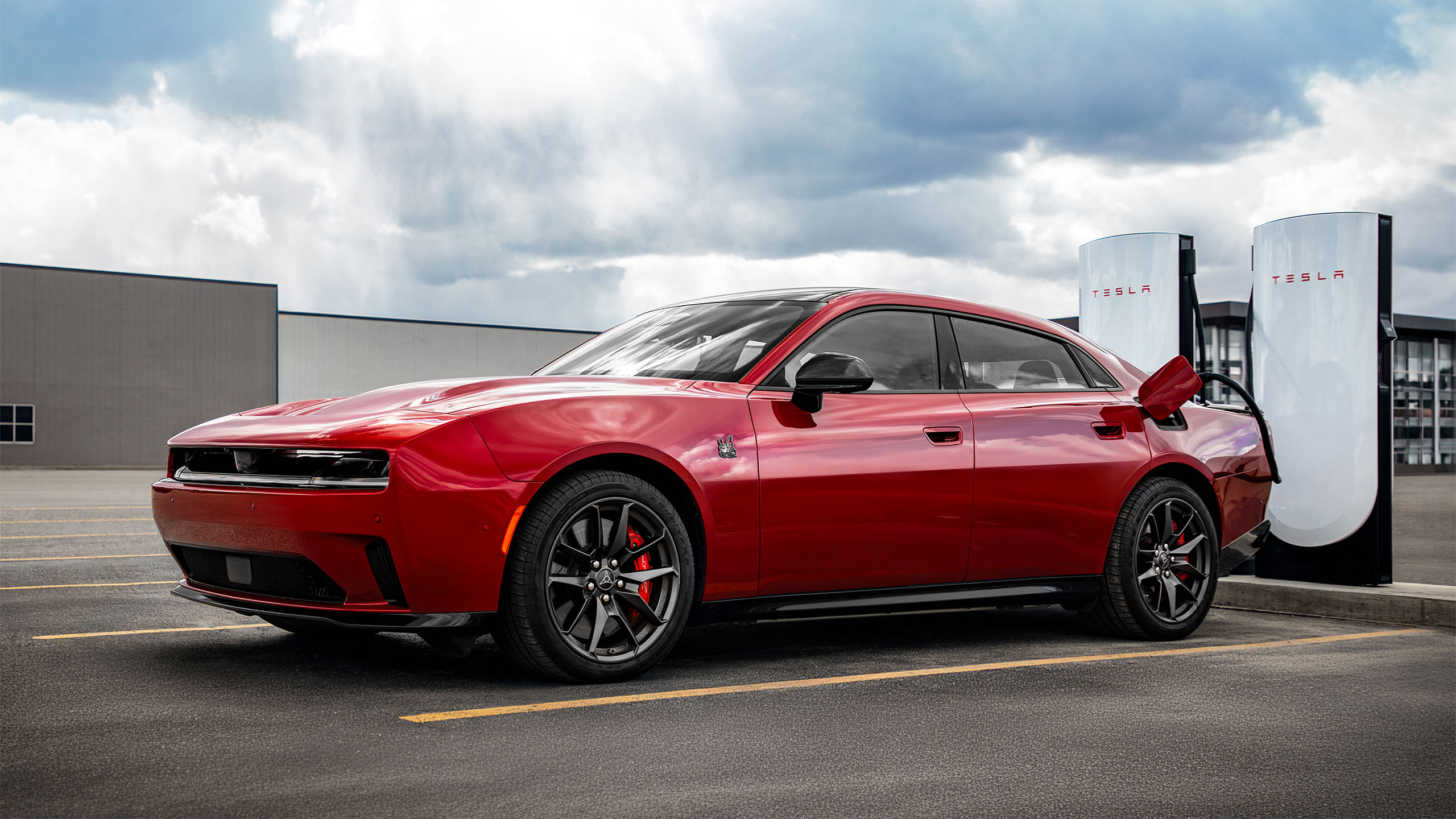


The 2027 Dodge Charger Daytona EV now starts at $72,495 before destination. That’s a $12,500 increase over last year’s $49,995 entry point, and Dodge isn’t offering much of an explanation beyond one addition: a NACS charging port.
Let that sink in. A charging plug swap — the kind of update most automakers are rolling into their lineups as standard course correction — apparently justifies a 25 percent price hike on Dodge’s flagship electric muscle car.
Stellantis released the full 2027 Charger lineup pricing, and the Daytona’s sticker shock stands out immediately. No major powertrain upgrades. No significant technology overhaul. No redesigned interior. Just a North American Charging Standard port that lets owners use Tesla Superchargers, something virtually every other EV maker has adopted or is adopting at no additional cost to the buyer.
The original Charger Daytona launch pricing was one of its few competitive advantages. At just under $50,000, it positioned itself as a genuine muscle car alternative in an EV market crowded with crossovers and sedans nobody asked for. Dodge was selling attitude, heritage, and a sub-$50K entry point. Two of those three things are now gone.
This kind of repricing doesn’t happen in a vacuum. Stellantis has been under enormous financial pressure, cycling through leadership turmoil since Carlos Tavares’ departure and struggling to find its footing in an EV market that has not been kind to legacy automakers trying to sell electric vehicles at premium prices. The Charger Daytona’s initial sales were modest at best. Jacking the price into the mid-$70s doesn’t suggest a company that learned from soft demand — it suggests one that’s given up chasing volume and is trying to extract margin from a smaller pool of loyalists.
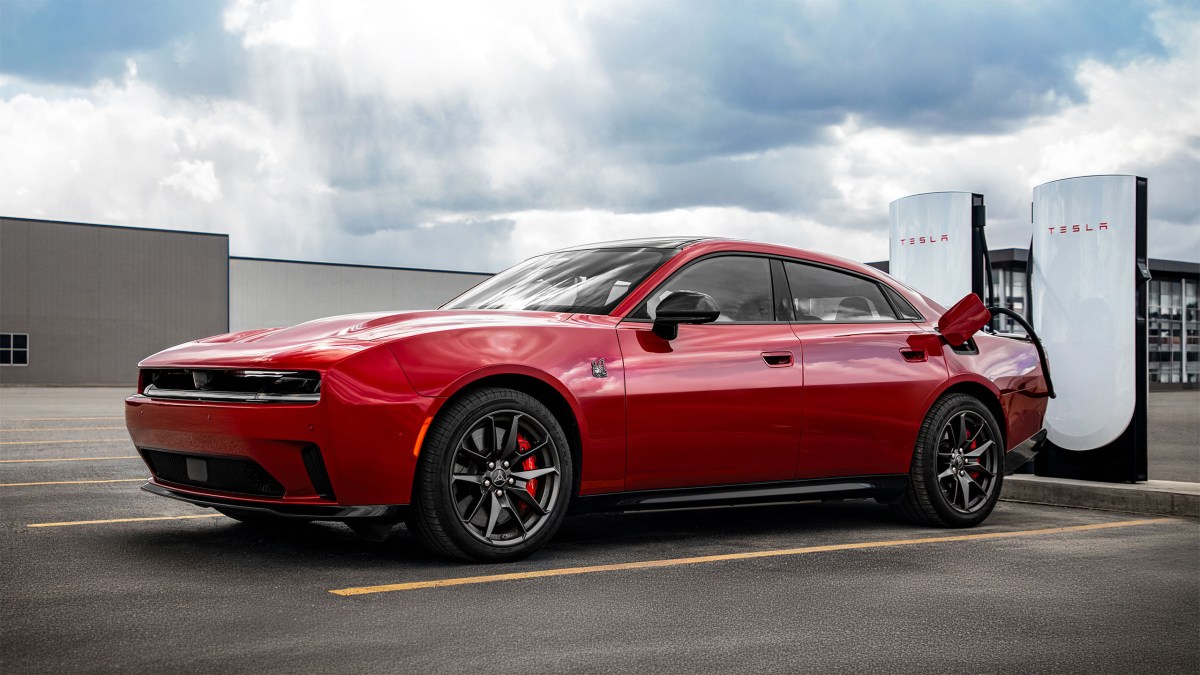
For context, $72,495 puts the Charger Daytona in direct conflict with far more established electric competitors. A Tesla Model S starts lower. A BMW i4 M50 starts lower. The Hyundai Ioniq 5 N, which has been an enthusiast darling, undercuts it by more than $15,000. None of those cars need the Dodge name to move metal.
The timing is also worth watching. This price adjustment lands as the broader industry wrestles with tariff uncertainty, battery cost fluctuations, and a consumer base that has grown increasingly price-sensitive about EVs. Ford has been cutting EV prices to drive adoption. GM has been pushing volume with the Equinox EV at around $35,000. Dodge is swimming upstream, hard.
There’s a world where Dodge loaded the 2027 Daytona with enough new content to justify the jump — more range, a retuned chassis, upgraded tech suite. That’s not this world. What buyers get for an extra $12,500 is the same car with a different plug.
Dodge has always traded on bravado. The brand’s identity is built on being loud, unapologetic, and a little bit reckless. But there’s a difference between reckless confidence and reckless pricing.
The Charger Daytona needed momentum heading into its second model year. Instead, it got a price tag that dares customers to walk away. Some of them will.


Share this Story