
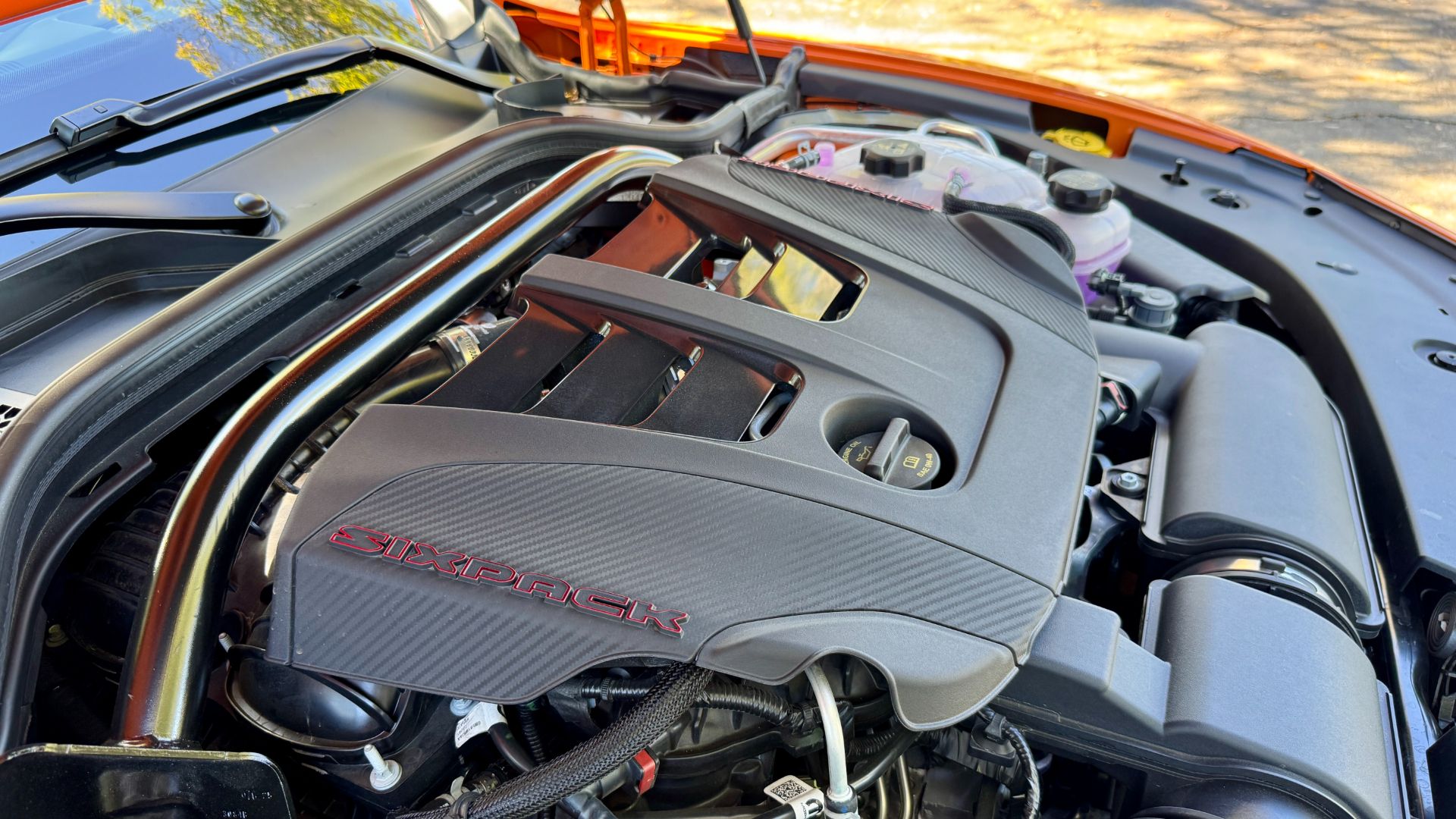


Stellantis is bleeding, and the company’s CEO thinks a straight-six muscle car is the tourniquet. On the automaker’s fourth-quarter earnings call, CEO Antonio Filosa couldn’t stop talking about the gas-powered Dodge Charger Sixpack, name-dropping it repeatedly as the answer to a North American business that hemorrhaged its way to $26 billion in losses last year.
This week, Stellantis began production on three new Charger Sixpack variants, a move Filosa framed as essential to the company’s recovery. “After the return to the ICE muscle car segment, this week, we have started production on three new Dodge Charger Six Pack variants,” he said on the call. “Those will represent 90% of the expected volumes.”
That’s not a casual aside. That’s a CEO telling Wall Street that nearly the entire Charger business plan hinges on internal combustion.
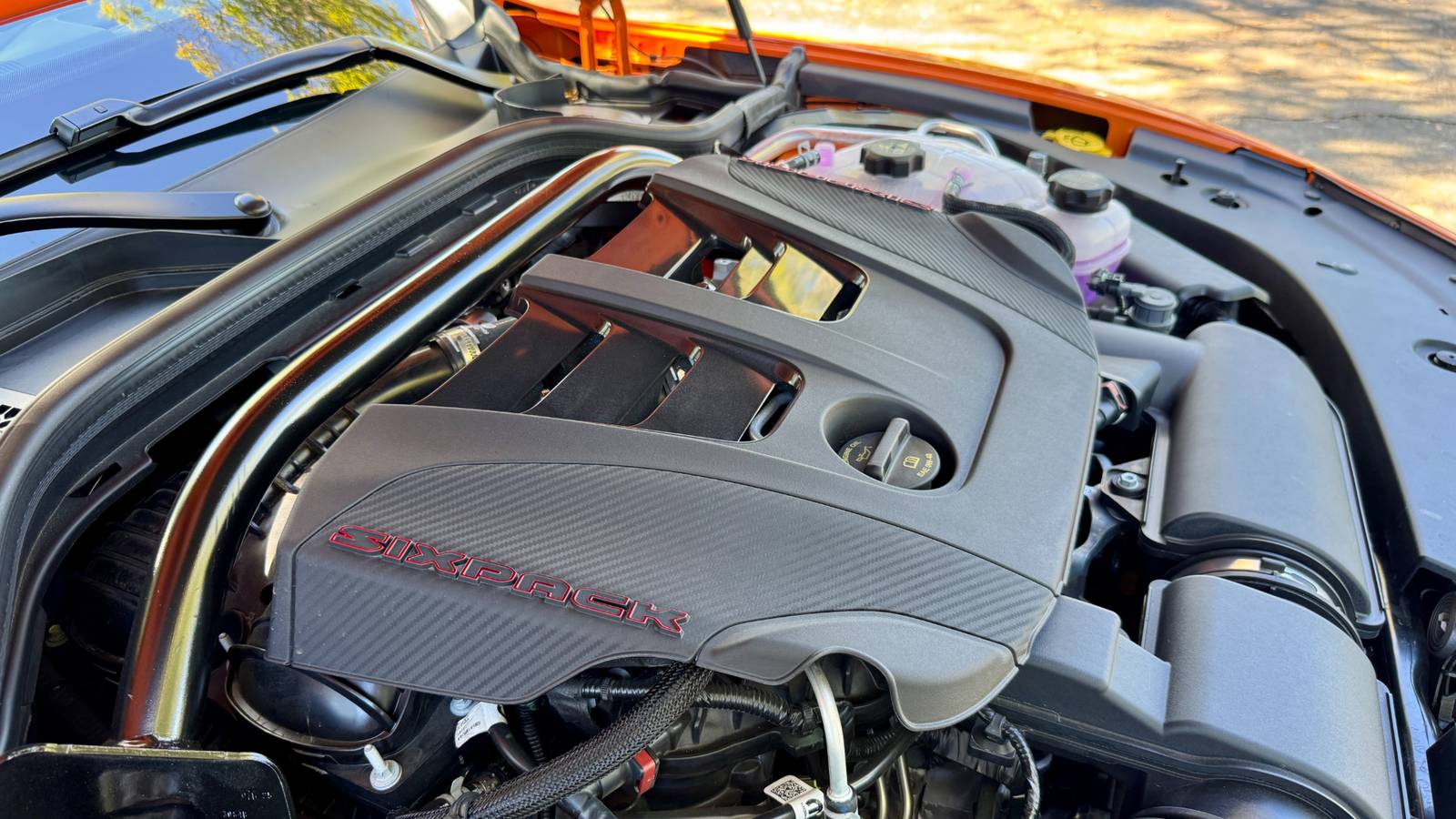
The three new models joining the lineup are the four-door R/T sedan, the two-door R/T coupe, and the four-door Scat Pack sedan. They join the two-door Scat Pack coupe that entered production late last year. The R/T packs the 420-horsepower Standard Output version of Stellantis’s 3.0-liter Hurricane inline-six, while the Scat Pack bumps that to a 550-hp High Output tune. Both engines are now available in both body styles, completing what Dodge hopes is an irresistible spread.
Filosa was candid about the stakes. We are seeing a big response of the market on what we are launching,” he told analysts, rattling off a list that included the Jeep Cherokee and Hemi alongside the Charger. “A lot of expectation for the Dodge Charger ICE.”
The subtext is impossible to miss. The electric Charger Daytona, which was supposed to herald a bold new chapter for the brand, has been a commercial catastrophe. Dodge sold just 7,421 Charger Daytona EVs in all of 2025.
For context, the old-generation Charger moved 75,920 units in 2023, its final full year, with the Challenger adding another 44,960 on top. Combined, those two nameplates would have represented roughly 10 percent of Stellantis’s total 2025 sales volume in the U.S.
That gap, from 120,000-plus muscle car sales to fewer than 7,500, tells you everything about why the Charger Daytona’s R/T trim was axed last year and the range-topping Banshee was reportedly canceled before it ever reached customers. The electric experiment didn’t just underperform. It cratered a core revenue stream for a company that desperately needed every sale it could get.
So now the Hurricane six-cylinder has to do the heavy lifting. Starting at $49,995 for the base sedan with all-wheel drive, the Charger Sixpack isn’t cheap, but it slots into a segment Dodge vacated when it killed the old car in favor of the EV-first strategy. Filosa called this a “white space” opportunity, suggesting the company views each Sixpack sale as incremental volume rather than cannibalization.
Whether the market agrees remains to be seen. Muscle car buyers have long memories, and the Charger name still carries weight. But the landscape has shifted, and Ford’s Mustang and Chevy’s Camaro successor, the electric-but-selling Blazer EV, have had years to absorb the customers Dodge left behind.
Filosa sounded confident, almost relieved, to be talking about gasoline engines again. For a company staring at a $26 billion hole, confidence is about all you can afford.
The Charger Sixpack doesn’t just need to sell well. It needs to sell phenomenally, at volume, immediately. Stellantis has bet the farm on the sound of six cylinders and the smell of burnt rubber, and now it has to deliver.

Share this Story