
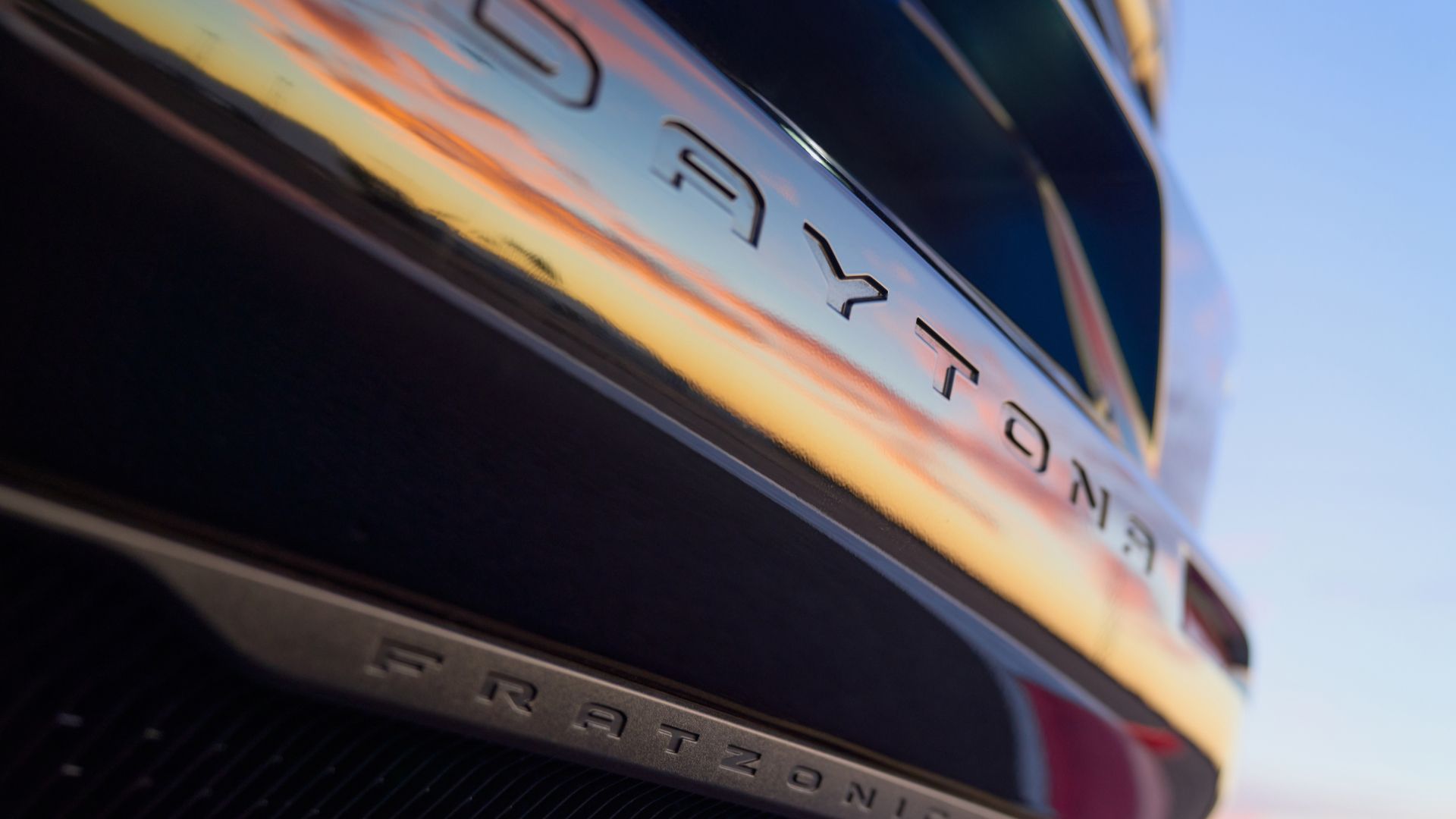


Stellantis just posted a staggering $26.2 billion net loss for 2025, and yet the tone from its new leadership could almost be described as cheerful. CEO Antonio Filosa, who took the reins eight months ago after Carlos Tavares’s turbulent exit, told analysts that 2026 would be the company’s “year of execution.” Whether that’s bold confidence or corporate bravado depends entirely on what rolls off the assembly lines in the next twelve months.
The losses weren’t exactly a surprise. Stellantis had already telegraphed the damage on February 6, when it announced a sweeping business “reset” tied to $26 billion in charges from the second half of 2025. Much of that stemmed from the company’s costly pivot away from vehicles like the battery-electric Ram pickup toward range-extended versions, hybrids, and advanced internal-combustion engines.
Chief Financial Officer Joao Laranjo was quick to note that most of the loss was non-cash, insisting the balance sheet “ended the period in a strong place.” That framing will be cold comfort to investors who’ve watched the company stumble through an identity crisis over the past two years. Stellantis essentially admitted it over-estimated the speed of the EV transition and is now scrambling to course-correct with the kind of products American buyers actually want to purchase.
The product offensive is real, though, and it’s aggressive. Filosa outlined a $13 billion, four-year US investment plan that includes five entirely new vehicles and 19 product actions across the current lineup. The company is banking heavily on its strongest American nameplates: Jeep, Ram, and Dodge.
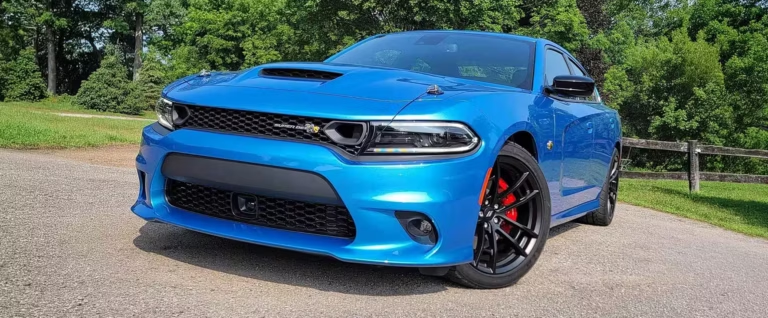
Several key launches are already underway. The fully redesigned 2026 Jeep Cherokee, the Dodge Charger SixPack with its ICE powertrain, the Ram 1500 Hemi, and refreshed versions of the Jeep Grand Wagoneer and Grand Cherokee all hit the market in late 2025 or early 2026. Production of three new Charger Six-Pack variants started this week, and Filosa says those will account for 90 percent of expected Charger volume.
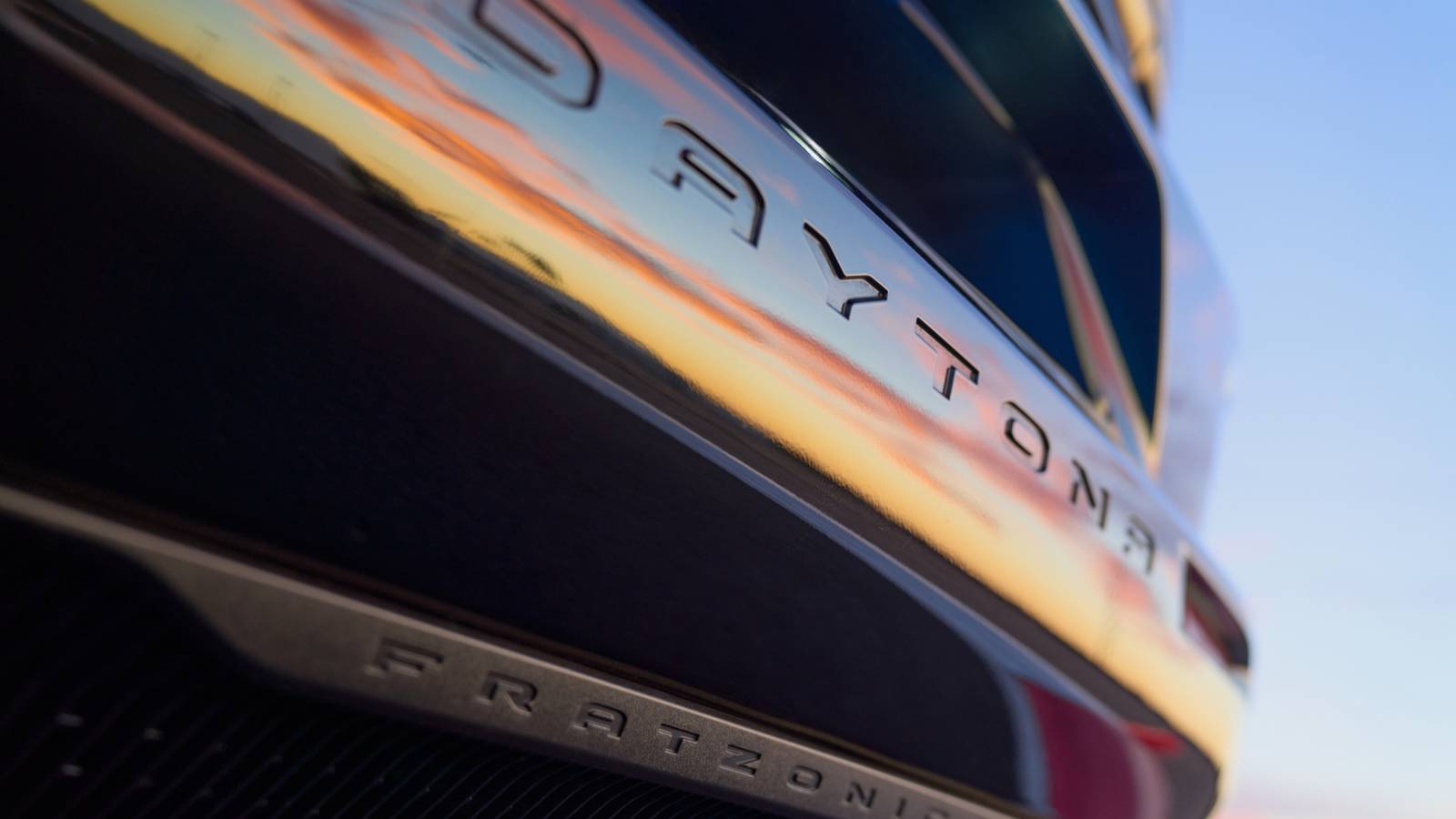
Still to come this year: the battery-electric Jeep Recon, the 2026 Ram Power Wagon diesel, and the monstrous 2027 Ram 1500 SRT TRX packing 770 horsepower from a resurrected Hemi V8. Stellantis plans to boost Hemi V8 production by 100,000 units in 2026 alone. The strategy is unmistakable: give customers what Filosa calls “freedom of choice in powertrains” — ICE, BEV, hybrid, and range-extended — rather than force-feeding them electric vehicles they aren’t ready to buy.
What’s conspicuously absent from the recovery story is any real discussion of Chrysler or Alfa Romeo. Neither brand was mentioned during the earnings call, which is remarkable given that Chrysler just teased its new Pacifica minivan on Facebook the day before. Both brands have been withering on the vine in the US market, and the silence speaks volumes about their priority level within the empire.
Then there’s the Maserati mystery. The Italian luxury brand is being folded into Stellantis’s regional business segments after operating as a separate unit, a move Laranjo framed as aligning it with the rest of the portfolio. But when Filosa was asked directly whether Maserati would remain part of Stellantis, he dodged the question entirely. A Maserati spokesperson later told reporters the brand was not for sale.
The playbook Filosa is running is deeply familiar to anyone who knows Chrysler’s history. The company has been on death’s door before — in the late 1970s, the early 1990s, and again after the 2008 financial crisis — and each time it clawed back with the right products at the right time. Lee Iacocca did it with minivans. Sergio Marchionne did it with Jeep and Ram.
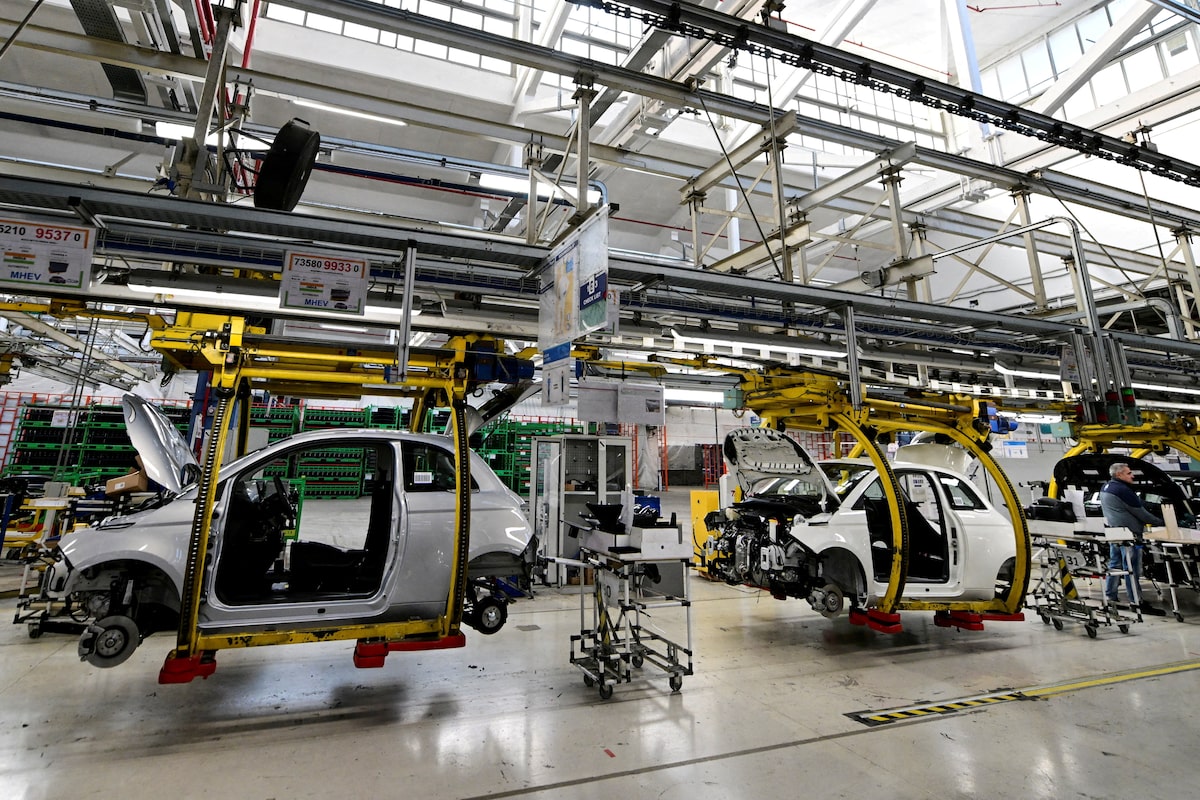
Now Filosa is attempting the same trick, betting that trucks, SUVs, and muscle cars can pull Stellantis out of a $26 billion hole. The difference this time is the sheer complexity of the challenge. Stellantis must simultaneously manage a powertrain transition, rebuild dealer confidence shattered under Tavares, navigate Trump-era regulatory shifts, and somehow keep more than a dozen global brands relevant.
That’s a tall order for any CEO, let alone one who’s been in the job less than a year. Filosa says he’s putting the customer back at the center of everything Stellantis does. It’s a nice line — now he has to prove it with metal on the ground and money in the bank.
Share this Story