
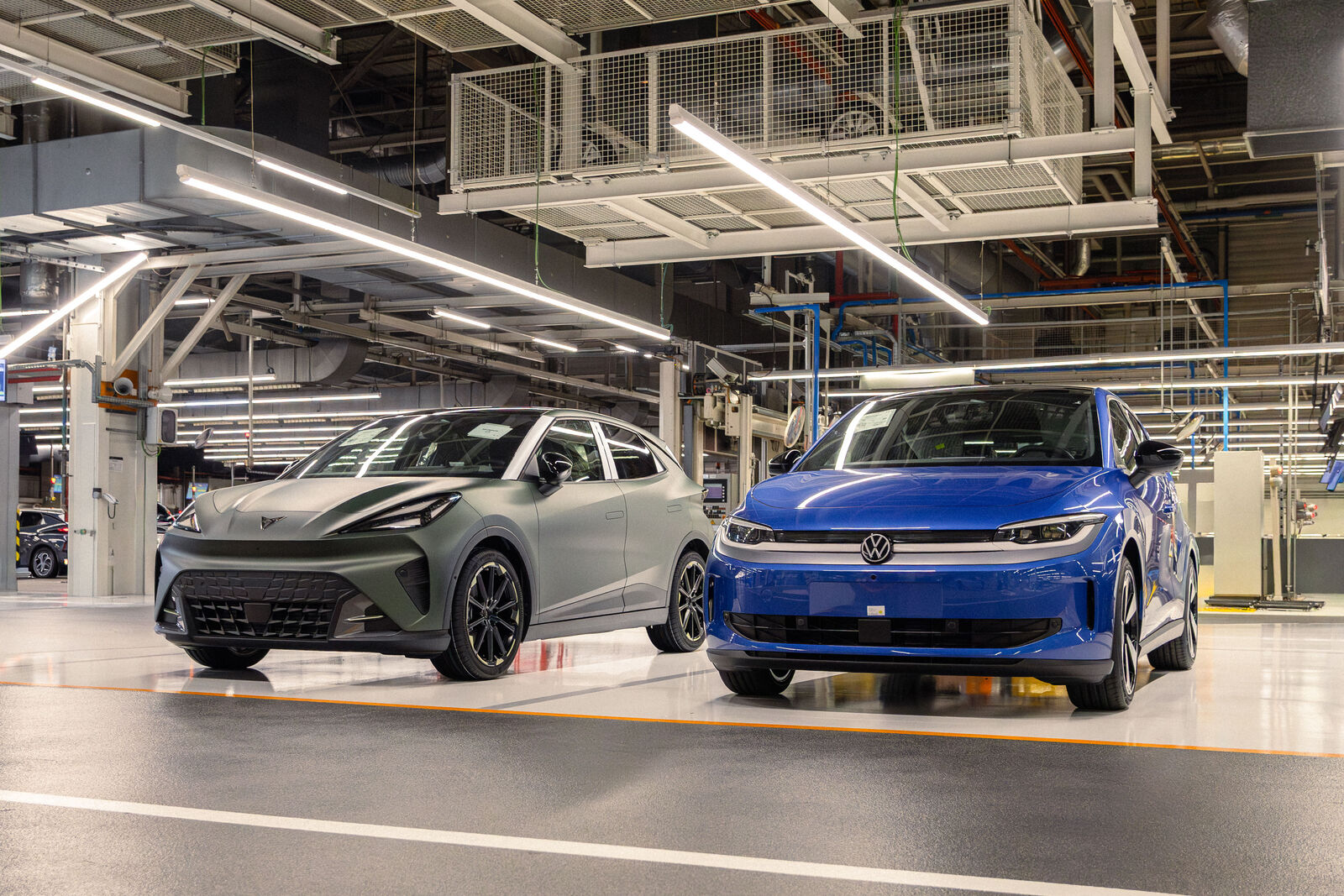


The first Volkswagen ID. Polo and CUPRA Raval rolled off the line in Martorell, Spain, this week, and the significance extends well beyond two new nameplates. This is the Volkswagen Group betting billions that it can build affordable electric cars in Europe, sell them profitably, and fend off Chinese competition from a single Spanish factory that until recently was known mainly for building SEATs.
Spain’s Prime Minister Pedro Sánchez stood alongside VW Group CEO Oliver Blume and brand chiefs Thomas Schäfer and Markus Haupt to mark the occasion. That kind of political firepower tells you everything about what’s at stake. This isn’t just a product launch — it’s an industrial policy statement.
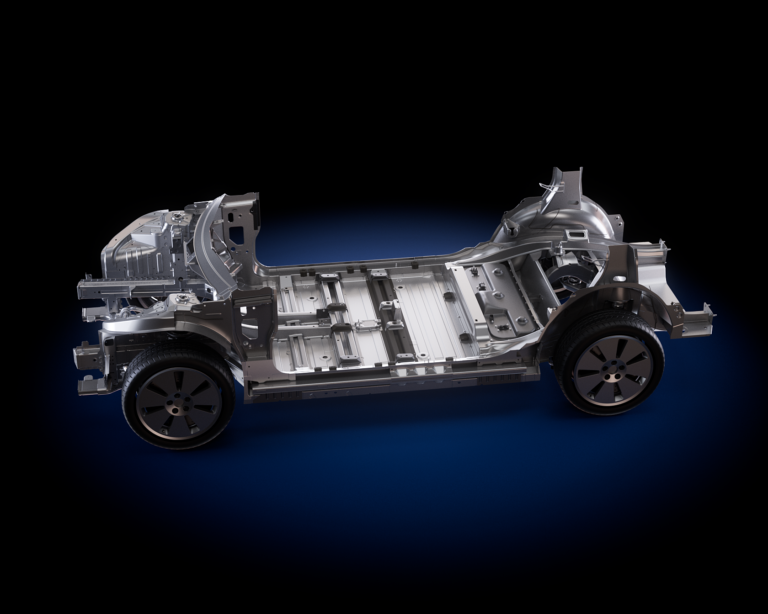
The Electric Urban Car Family, as VW insists on calling it, puts four models from three brands — CUPRA, Volkswagen, and eventually Škoda — onto a shared MEB+ platform. SEAT & CUPRA led the project, a first for the Spanish subsidiary, and the group claims €600 million in cost savings from the shared architecture. Whether those savings translate to showroom prices that move metal is the question nobody answered at the ceremony.
The ID. Polo carries enormous weight. More than 20 million Polos have been sold since 1975, and this is VW’s attempt to prove that an electric small car can replace an icon rather than just sit alongside it. The numbers look promising on paper: up to 454 kilometers of WLTP range, one-pedal driving, vehicle-to-load capability, and what VW calls Connected Travel Assist with automatic traffic light recognition. Pricing hasn’t been formally disclosed, but VW has signaled an entry point around €25,000 — aggressive for an EV, expensive for a Polo buyer.
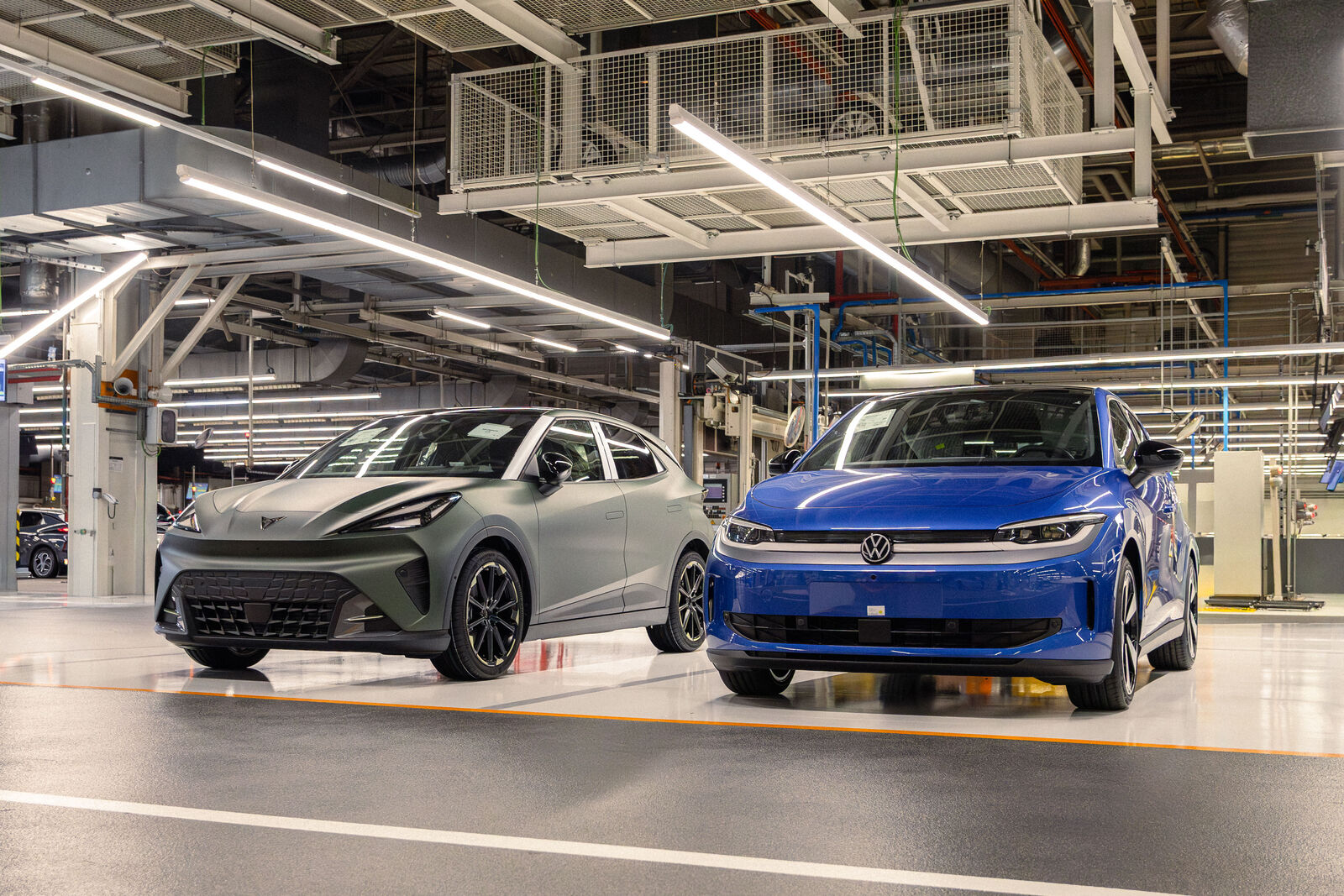
The CUPRA Raval occupies different territory. At just four meters long, it’s a small car with big ambitions, targeting a sportier audience willing to pay a premium for 3D-knitted bucket seats, dynamic light projections, and CUPRA’s increasingly sharp design language. CUPRA has been the Volkswagen Group’s unlikely growth story, crossing one million cumulative sales and posting its best-ever first quarter in 2026. The Raval is meant to keep that momentum alive.
Blume’s comments at the event carried a pointed subtext. “Even as global competition intensifies, we believe in our home market Europe,” he said, calling for a “Made-in-Europe strategy that ensures a level playing field.” That’s diplomatic language for tariff protection against Chinese EV imports, a fight playing out simultaneously in Brussels, Berlin, and Beijing.
Martorell itself has absorbed more than €3 billion in investment to handle this transition. The plant now runs a flexible production system capable of building electric, hybrid, and combustion vehicles on the same line. That flexibility is the quiet insurance policy. If EV demand softens, as it has periodically across Europe, Martorell doesn’t go dark.
The real test begins this summer when the CUPRA Raval reaches dealerships, followed by the ID. Polo. VW Group needs both cars to sell in volume. The company’s credibility on affordable electrification depends on it. Wolfsburg has spent years promising EVs for the masses while delivering mostly premium-priced models that sat on dealer lots. The ID.3 was supposed to be the people’s electric car. It wasn’t.
Now that burden falls on a factory outside Barcelona, a brand born as a state enterprise, and two small cars that need to succeed where larger, more expensive EVs have stumbled. Martorell is ready. Europe’s buyers will render the verdict.
Share this Story