
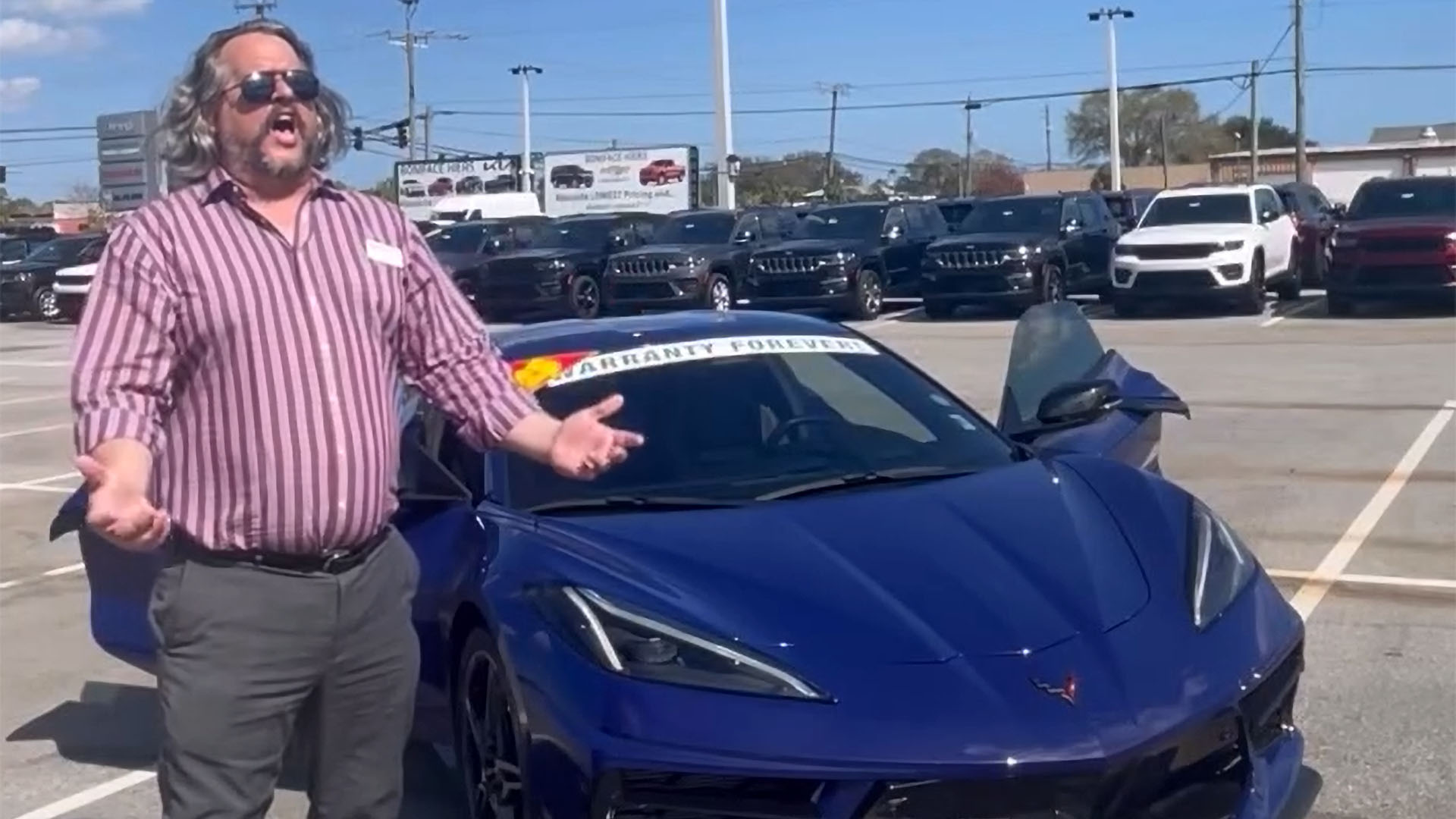


Andrew Hiers has racked up millions of views singing Puccini on a car lot in Cocoa, Florida. He’s sold two vehicles.
That gap between viral fame and actual commerce tells you everything about the modern collision of social media, the car business, and the gig economy — three machines that chew people up with equal enthusiasm.
Hiers is 38, a classically trained bass-baritone who spent years building an opera career that got derailed by a cancer diagnosis at 30 and then finished off by the pandemic. After surgery, chemotherapy, and painstaking vocal rehabilitation, he found himself back in his Florida hometown with no steady performing work. The day after his birthday in January, he walked into Boniface Hiers Chrysler Dodge Jeep Ram — no relation, just a cosmic joke — and started selling cars.
He was terrible at it, at least by the numbers. New salesmen don’t get hot leads. They get whatever walks through the door.
So Hiers did what performers do: he performed. He set up a tripod on the lot, stood next to a used Corvette, and belted out new lyrics to “Nessun Dorma.” Posted under his alter ego Luciano Carvarotti, the video crossed a million views on TikTok within days.
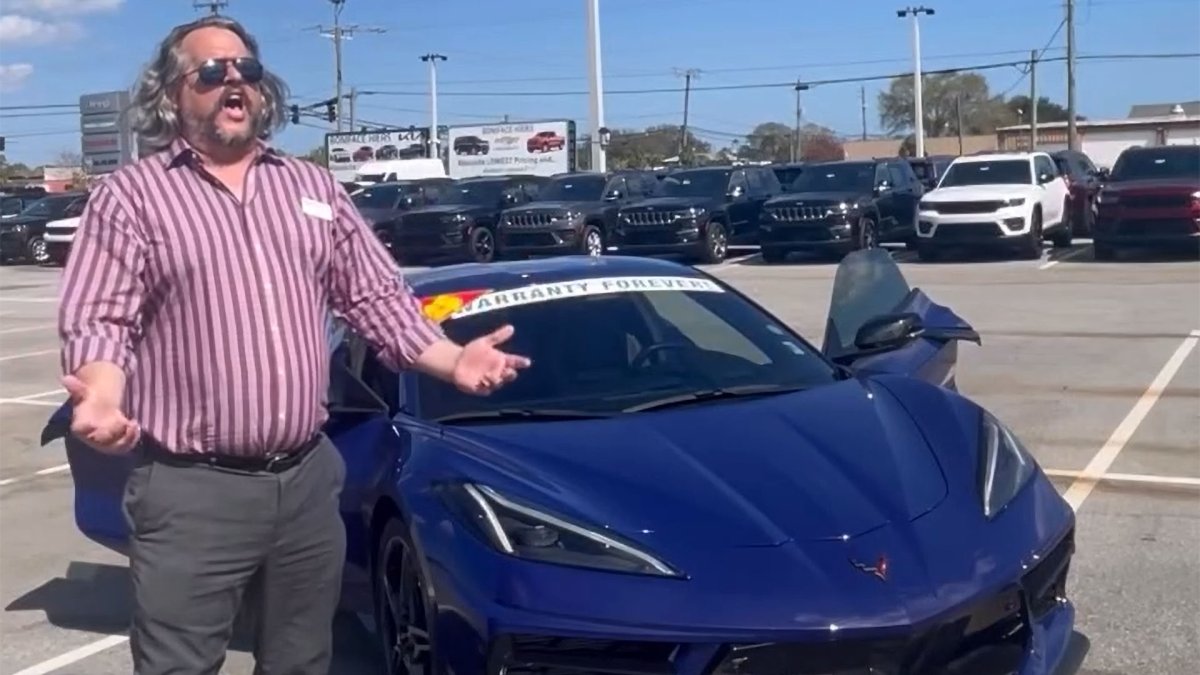
The Corvette sold before Hiers could close the deal. Someone else on the floor got the commission. His follow-up video? “Una Furtiva Lagrima” — a furtive tear. The man knows his material.
He kept going. A Nissan Rogue became “Nissan Dorma.” A Camaro got the full dramatic treatment: “Muscle car that goes fast / Act now! It will not last.” Every video ends the same way, his voice swelling to a crescendo: “Ask for Andrew.”
The internet asked. The internet shared. The internet did not, by and large, buy cars. As of mid-March, Hiers had closed exactly two deals — one car and one truck. His general manager told the Washington Post that Hiers had done more for the dealership’s social media presence in two months than ownership managed in its entire history. That’s a compliment that doesn’t pay rent.
The dealership gets free advertising worth tens of thousands of dollars. TikTok and Instagram get engagement metrics they can sell to advertisers. Hiers gets a couple of commissions and a growing follower count he can’t deposit at the bank. The economics are familiar to anyone who’s watched the creator economy up close: the platform always eats first.
Still, Hiers isn’t naive about what’s happening. He told CBC Radio he sees the car lot as an audition bootcamp — learning negotiation, small talk, self-promotion. The skills that get a Jeep Wrangler off the lot are the same ones that get a bass-baritone cast in a regional production of Falstaff. He’s eyeing a move to New York or Los Angeles within a year, where stages pay better than they do in Cocoa.
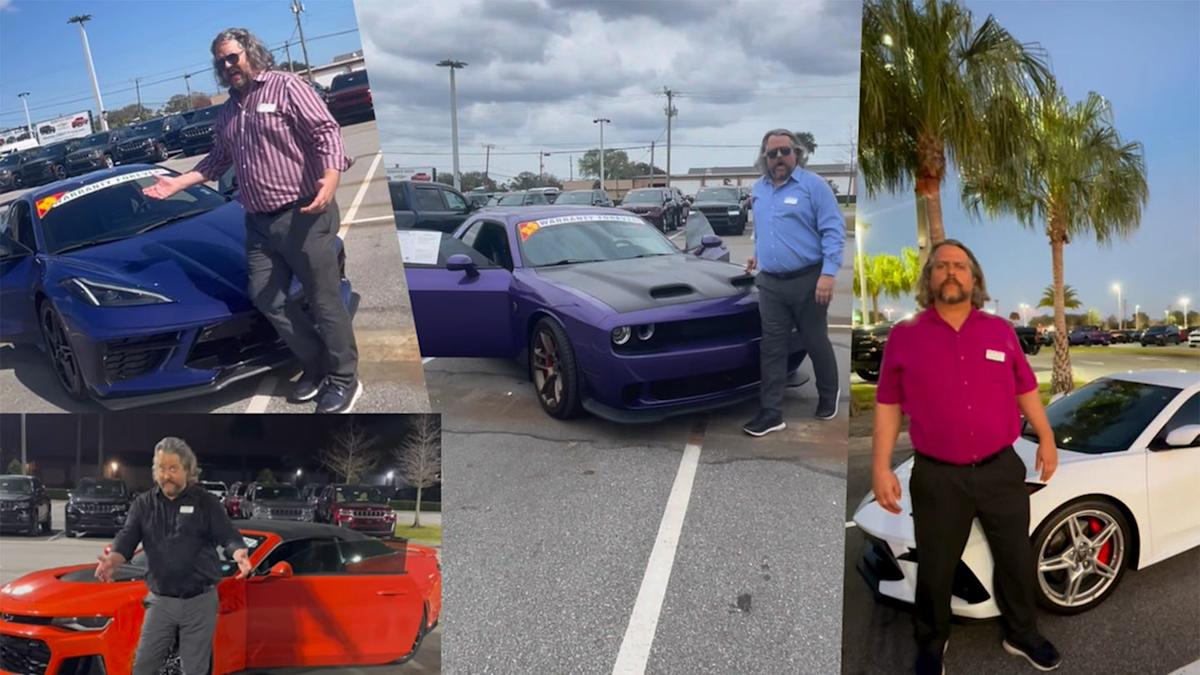
Whether the viral moment translates into opera bookings remains to be seen. The arts world runs on connections and reputation, not TikTok metrics. The people who cast singers at the Met aren’t necessarily scrolling Instagram reels between Dodge Rams.
But there’s something genuinely compelling about a guy who rebuilt his voice after cancer treatment, who refuses to treat car sales as a defeat, and who can stand on hot asphalt next to a $70,000 Corvette and make you feel something with a Puccini aria. The franchise dealer model is designed to squeeze every dollar out of every transaction. It is not designed for beauty.
Hiers is offering it anyway, free of charge, to anyone who stops scrolling long enough to listen. Two cars sold. Millions of views. The algorithm is fed, and the artist figures out what comes next.




Share this Story