
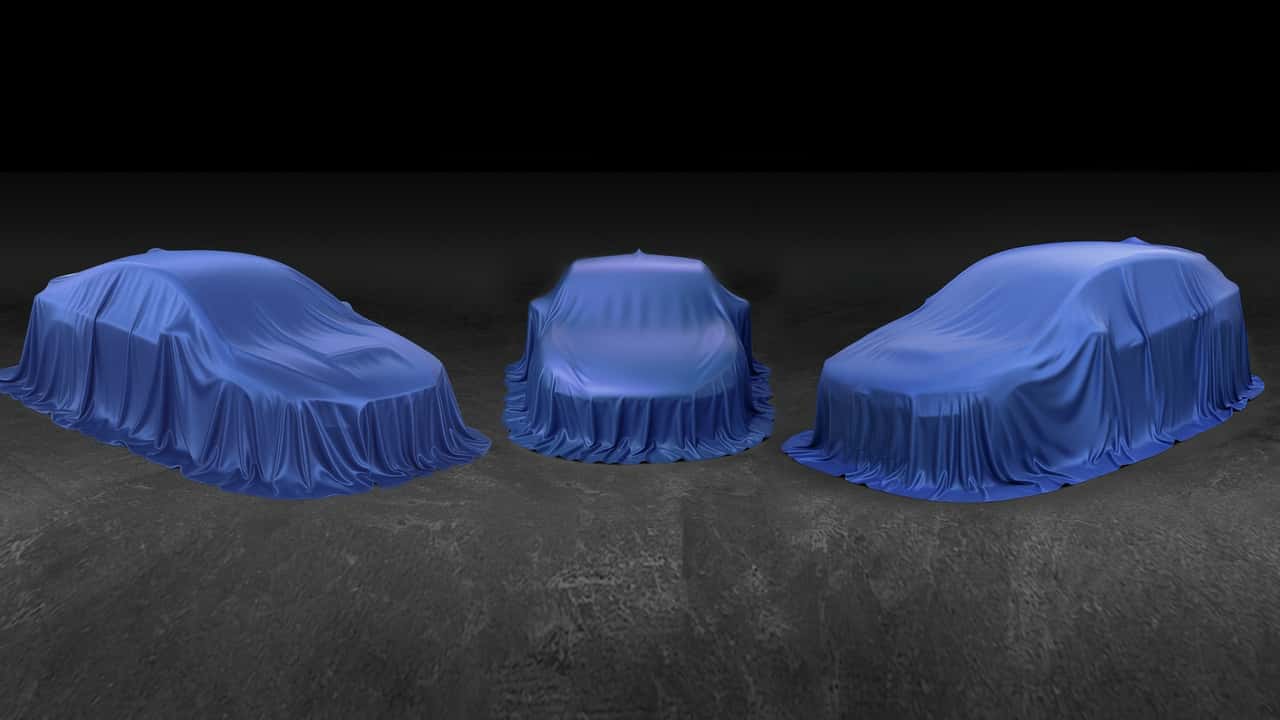


Subaru stood in front of cameras at Fuji Speedway and committed to building three new manual-transmission cars, all slated for production by the end of 2026. In an industry sprinting toward electrification and two-pedal efficiency, the Japanese automaker is doubling down on the stick shift with a conviction that borders on defiance.
Chief Technology Officer Tetsuro Fujinuki delivered the message at a press conference during a Fuji endurance race weekend: “We aim to create cars that can be enjoyed more casually.” Three cars sat behind him. Each one had a manual gearbox. None of them were electric.
The first is a new WRX variant packing the TY85 transmission pulled from previous-generation STI models. Whether this becomes a full WRX STI revival remains officially unconfirmed, but the tea leaves are not subtle. The car appears closely related to the WRX STI Sport# Prototype shown earlier this year, a vehicle that practically screamed “STI is coming back” without ever saying the words.
The second car is a new BRZ derivative, a successor to the STI Sport Type RA special edition that Subaru built in a run of just 300 units for the Japanese market last year, sold through a lottery. This next version will chase lightness and driving purity over brute force. More power is apparently not the priority, which is a refreshing bit of discipline from an industry that usually solves every problem by adding horsepower.
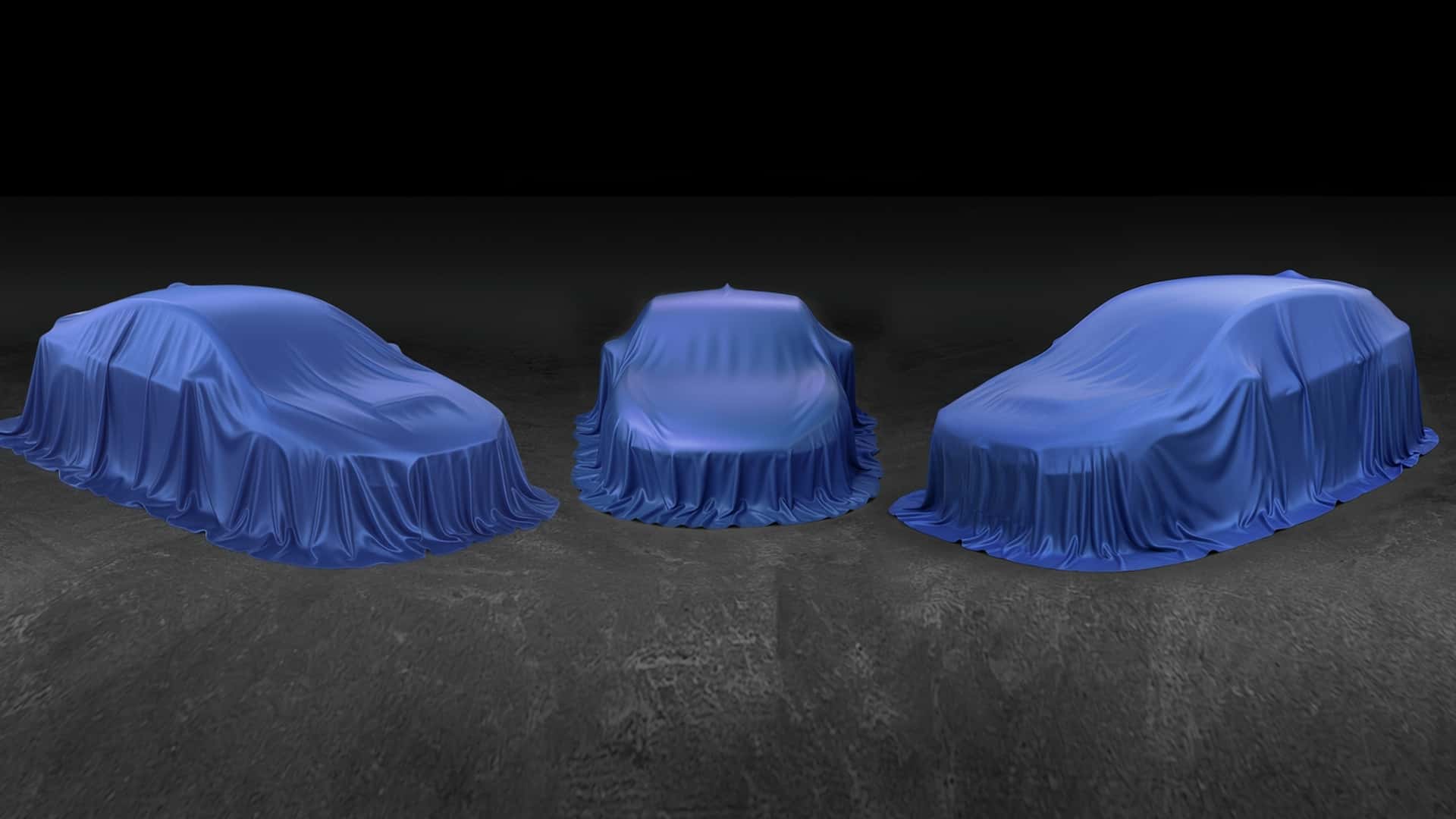
The third car is the one that should raise eyebrows. Subaru described it as an affordable hatchback with a manual gearbox, built with simplified equipment and cost-conscious materials. It’s unclear whether this shares DNA with the Performance-B STI Concept from last year’s Japan Mobility Show, which was essentially a WRX STI hot hatch wearing a different name tag. The production model may be something entirely different, stripped down and cheap in the best possible way.
An affordable, manual-equipped hatchback in 2026 would be a genuinely rare thing. The market segment that once included the Civic Si hatchback and the Mazda3 with a stick has been hollowed out by crossover fever and cost-cutting. If Subaru actually delivers something fun, light, and attainable, it fills a hole almost nobody else is even acknowledging exists.
But there is a catch, and it’s a familiar one. Subaru has a deep habit of building exciting special editions and keeping them locked inside Japan. The BRZ STI Sport Type RA never left. The rally-spec BRZ with all-wheel drive and a turbo that Subaru teased earlier this year is being developed for the All Japan Rally Championship, not American showrooms.
All three of these new cars appear destined for the domestic Japanese market. A WRX STI with a proper manual would be an obvious slam dunk in the United States, where the sedan still has a passionate following. The affordable hatch could carve out real space in a segment starving for options under $30,000.
Subaru knows this. Its dedicated Sports Vehicle Planning Office exists precisely to develop cars like these. The question is whether Subaru has the nerve to sell them globally or whether this is another round of Japan-only teasing that leaves enthusiasts elsewhere pressing their noses against the glass.
Building three manual cars in 2026 is a statement. Selling them only in one country is a whisper.


Share this Story