
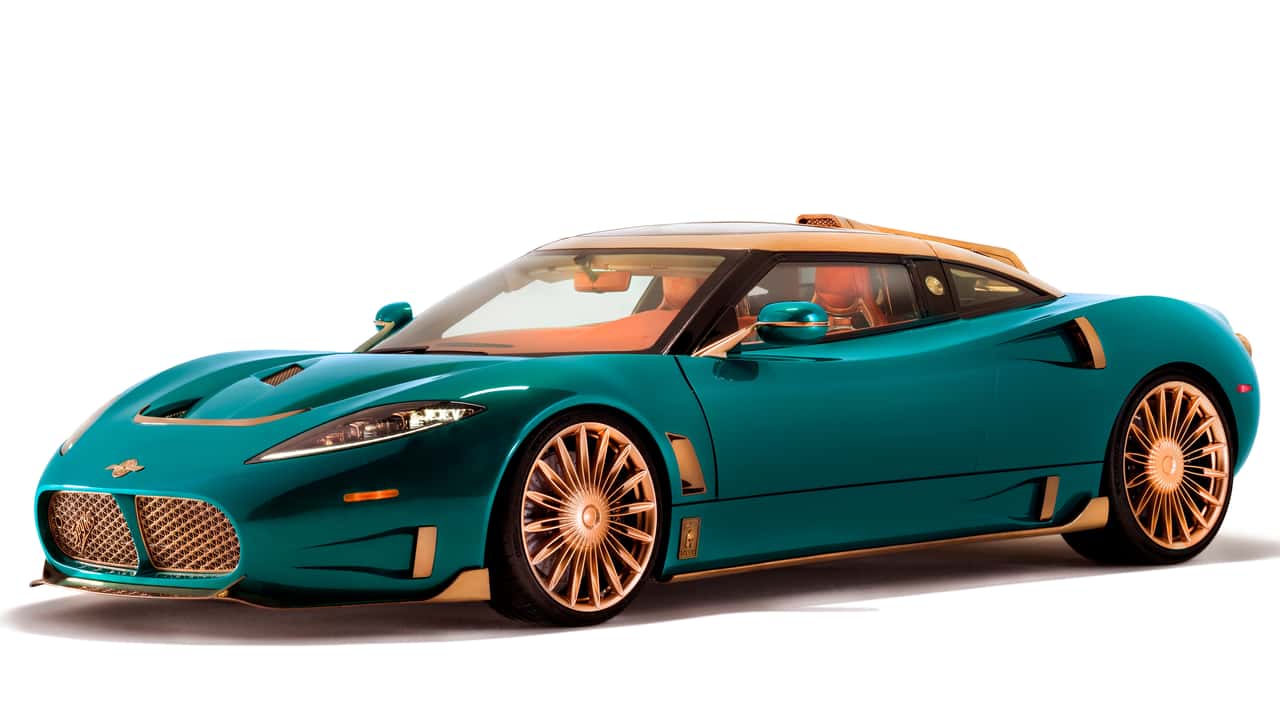


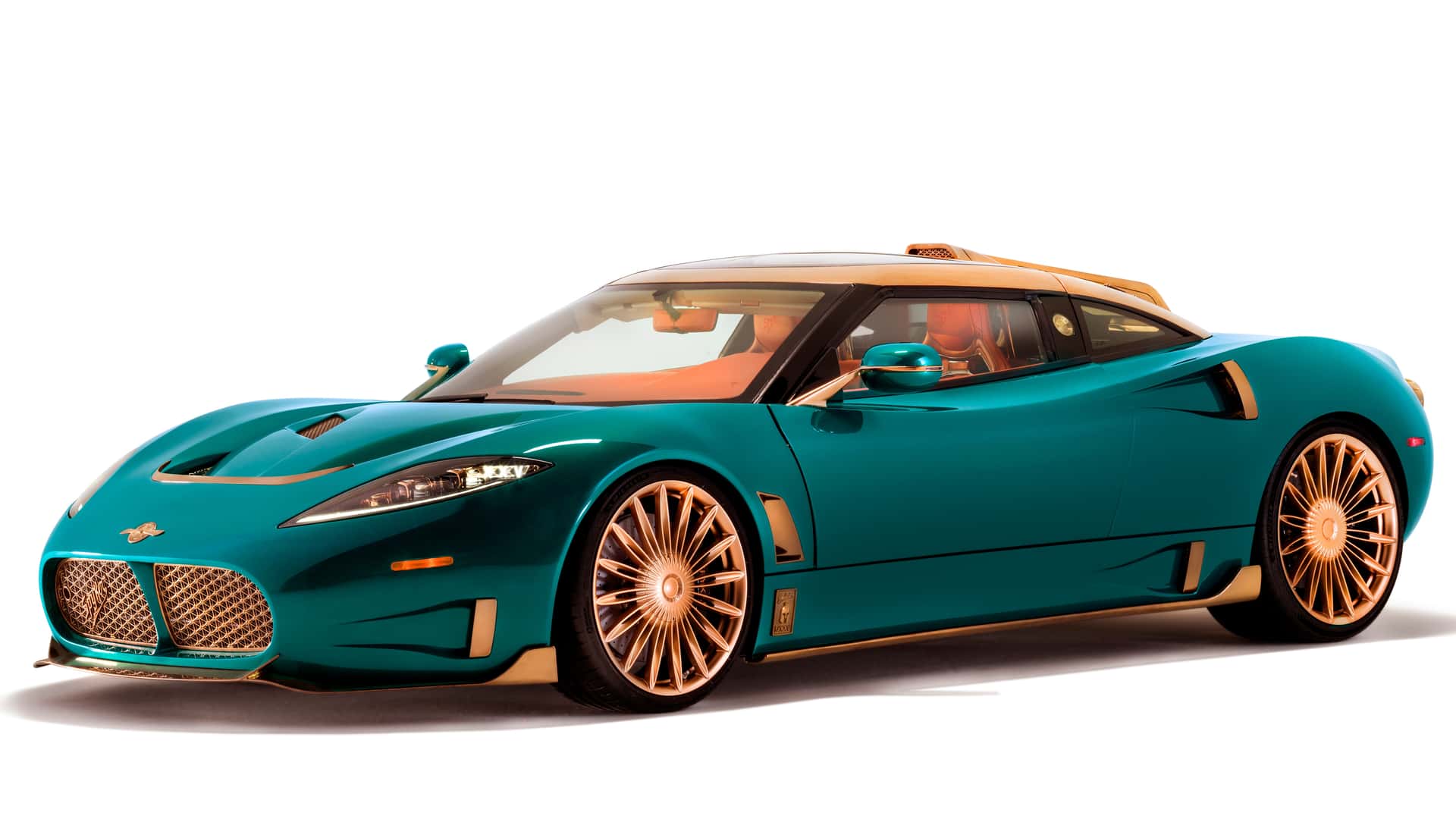
Spyker unveiled the C8 Preliator XXV during Monterey Car Week, and the Dutch supercar maker would very much like you to forget it ever went away. The company calls the car “all new.” It isn’t, not really. But what it is, at $1.6 million and limited to 25 units, is a very expensive bet that the Spyker name still means something.
Under the skin sits an Audi-sourced twin-turbocharged 4.0-liter V8 making 789 horsepower and 739 pound-feet of torque. Spyker claims a 217-mph top speed and a sub-three-second sprint to 60. Those numbers land squarely in modern supercar territory, which is exactly where they need to be when your competitors include McLaren, Ferrari, and a resurgent Aston Martin, all of whom showed up to Monterey with fresh hardware of their own.
The chassis traces its lineage to the earlier C8 Preliator, a car that itself evolved from the original C8 Spyder that put Spyker on the map two decades ago. Calling this version “all new” requires a generous interpretation of the phrase. What Spyker has done is reworked, re-engined, and reskinned an existing platform, then dressed it in a shade called Quail Green with rose gold flake in the paint.
Every bit of brightwork gets the rose gold treatment too. NACA ducts punctuate the bodywork. Propeller-inspired wheels fill the arches.
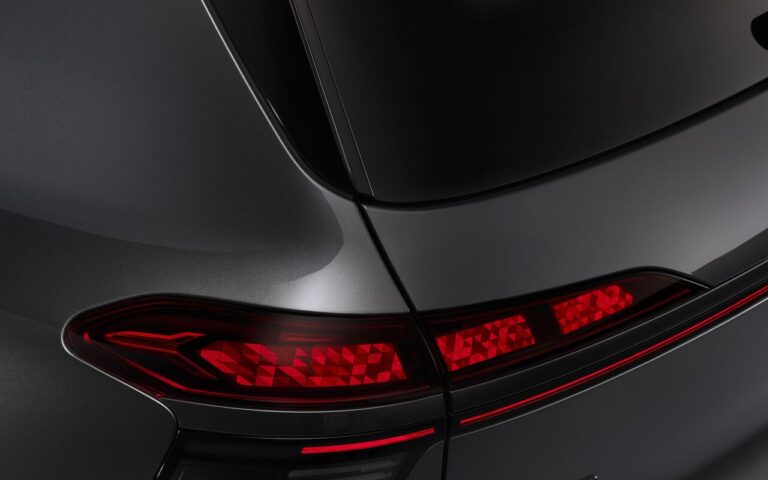
The taillights mimic jet afterburners, and a center-mounted shark fin runs along the roofline. Inside, you still get Spyker’s signature exposed manual shift linkage, a gloriously analog touch in a segment racing toward dual-clutch everything. The six-speed manual is a genuine differentiator, a middle finger to the paddle-shift consensus.
But the real question hovering over this car has nothing to do with horsepower or paint. It has everything to do with whether Spyker can actually deliver. The company’s history is littered with ambitious announcements followed by financial collapses.
It bought Saab in 2010, lost it by 2011, and spent years tangled in lawsuits and bankruptcy proceedings. The D8 Peking-to-Paris Super SUV was announced, teased, and then shelved. Spyker says it plans to revive that project next and then re-enter GT3 motorsport.
Those are big promises from a company that has spent more time in courtrooms than on production lines over the past decade. Finding 25 buyers willing to write checks north of $1.5 million requires trust, and Spyker has burned through a lot of it. The earlier C8 Preliator was announced in 2016 and took years to materialize in any meaningful way.
Still, there is something undeniably appealing about what Spyker represents. In a supercar market increasingly defined by electrified powertrains, sanitized driving experiences, and endless limited editions from established houses, a tiny Dutch outfit hand-building manual-transmission V8 cars with propeller wheels and rose gold accents occupies its own strange corner. It is absurd. It is also the only kind of car Spyker knows how to make.
The 25 allocated build slots will reportedly be offered to existing Spyker owners and collectors first. Whether those deposits convert to delivered cars is the only metric that matters for a brand that has announced its resurrection more than once before.
Monterey is a place where million-dollar cars are unveiled, admired, and occasionally forgotten. Spyker has played this game before. The difference now is that the company is running out of second chances.




Share this Story