


One vehicle. That’s the entire Chrysler lineup right now. The Pacifica minivan, standing alone in showrooms like the last guest at a party that ended two years ago.
But Stellantis’ design chief for North America just broke the silence. Scott Krugger told Automotive News that something sedan-shaped is in the works for Chrysler, though don’t expect a traditional three-box car. Think blurred lines between sedan and crossover, the kind of segment-straddling vehicle that Toyota attempted with the Crown and Polestar pulled off with the 4.
“I think you’re going to see a lot of these bleeding of segments moving forward,” Krugger said. He’s responsible for design across Chrysler, Jeep, Dodge, and Ram, and he’s telegraphing a future where nobody can quite agree on what to call the thing in their driveway.
This isn’t exactly a radical concept. The industry has been bending body styles for years. The Dodge Charger already plays this game with its liftback design.
The dead Chrysler Airflow concept hinted at it before Stellantis pulled the plug. But for a brand that currently sells one vehicle, the stakes of getting this right couldn’t be higher.
Krugger offered the usual reassurances. Chrysler is “very much alive and well.” There’s a roadmap, it’ll be revealed at an investor presentation in May, and there’s “a lot going on in the studio.
Those are the kinds of things executives say about brands that are fighting for survival within a conglomerate.
Chrysler’s stated brand pillars are “modern simplicity” and “innovative practicality.” Strip away the marketing varnish and you get a brand searching for a reason to exist between Dodge’s muscle-car identity and Jeep’s adventure positioning. Krugger himself admitted the brand could use “more clarity” in its positioning within Stellantis.
That’s a generous way to put it. Chrysler hasn’t had clarity since Lee Iacocca was running the place. The brand tried luxury, and it didn’t stick.
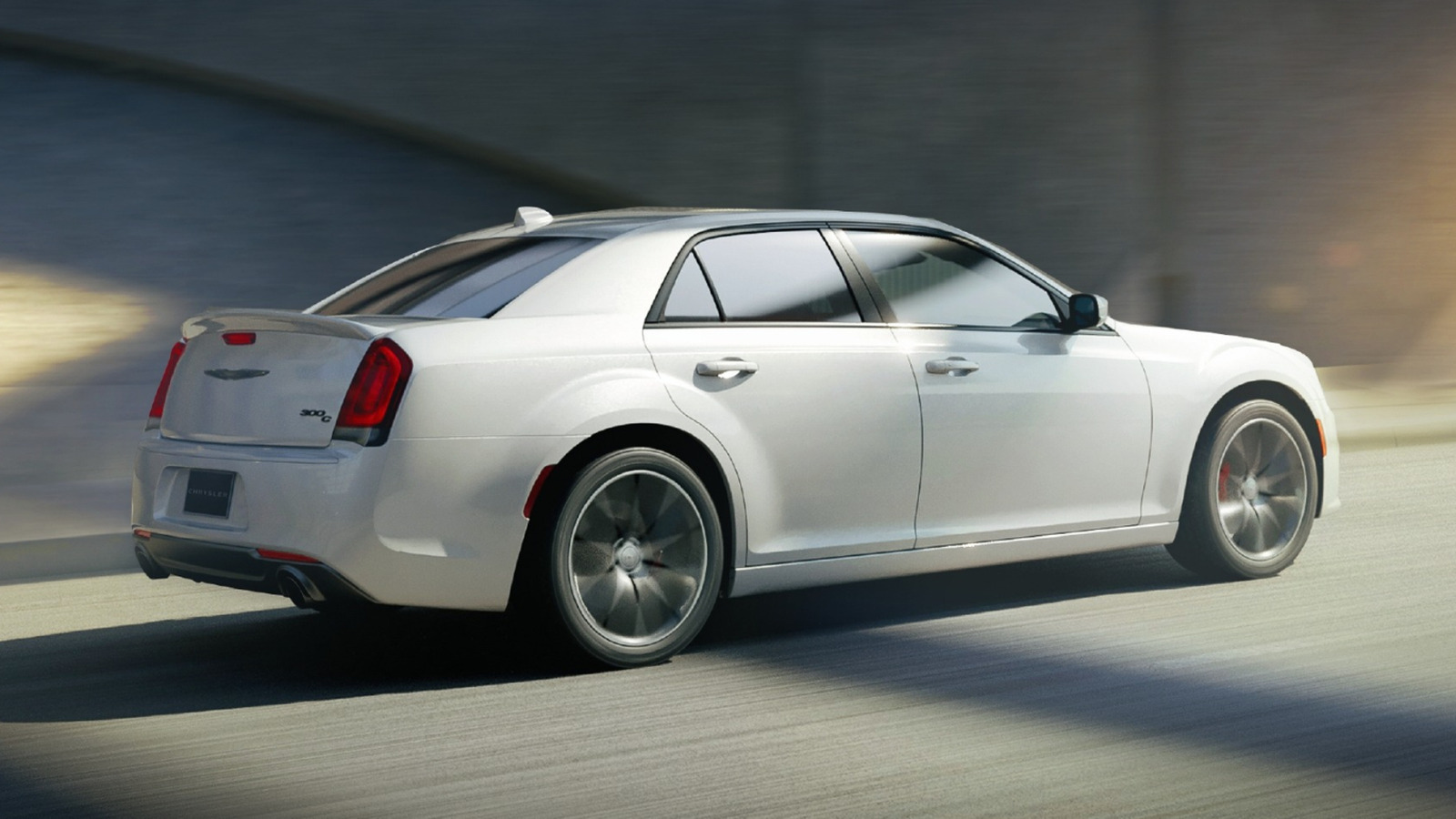
It leaned on the 300’s rear-drive swagger for nearly two decades. That’s gone. What’s left is a minivan with genuinely clever Stow ‘n Go seating and a dealership network wondering what to do with all that empty floor space.
The sedan-not-sedan approach could work if execution matches ambition. Toyota’s Crown sells modestly but holds its own. Polestar’s 4 is a genuine design statement.
The question is whether Chrysler can produce something with that level of conviction, or whether it’ll deliver another committee-designed compromise that lands in a segment nobody asked for.
Stellantis has a track record here, and it’s not encouraging. The company has announced and abandoned more product plans in the last three years than some automakers launch in a decade. Carlos Tavares’ departure left a strategic vacuum, and CEO Antonio Filosa and design boss Ralph Gilles are now steering the ship with Krugger executing the vision at the studio level.
May’s investor presentation will be the tell. If Chrysler shows up with concrete timelines, powertrain commitments, and a vehicle that looks like it was designed with purpose rather than spreadsheet logic, the brand has a shot. If it shows up with mood boards and aspirational language about “white space opportunities,” the clock keeps ticking.
Doubling your lineup from one vehicle to two shouldn’t feel like a moonshot. For Chrysler in 2026, it kind of is.

Share this Story