
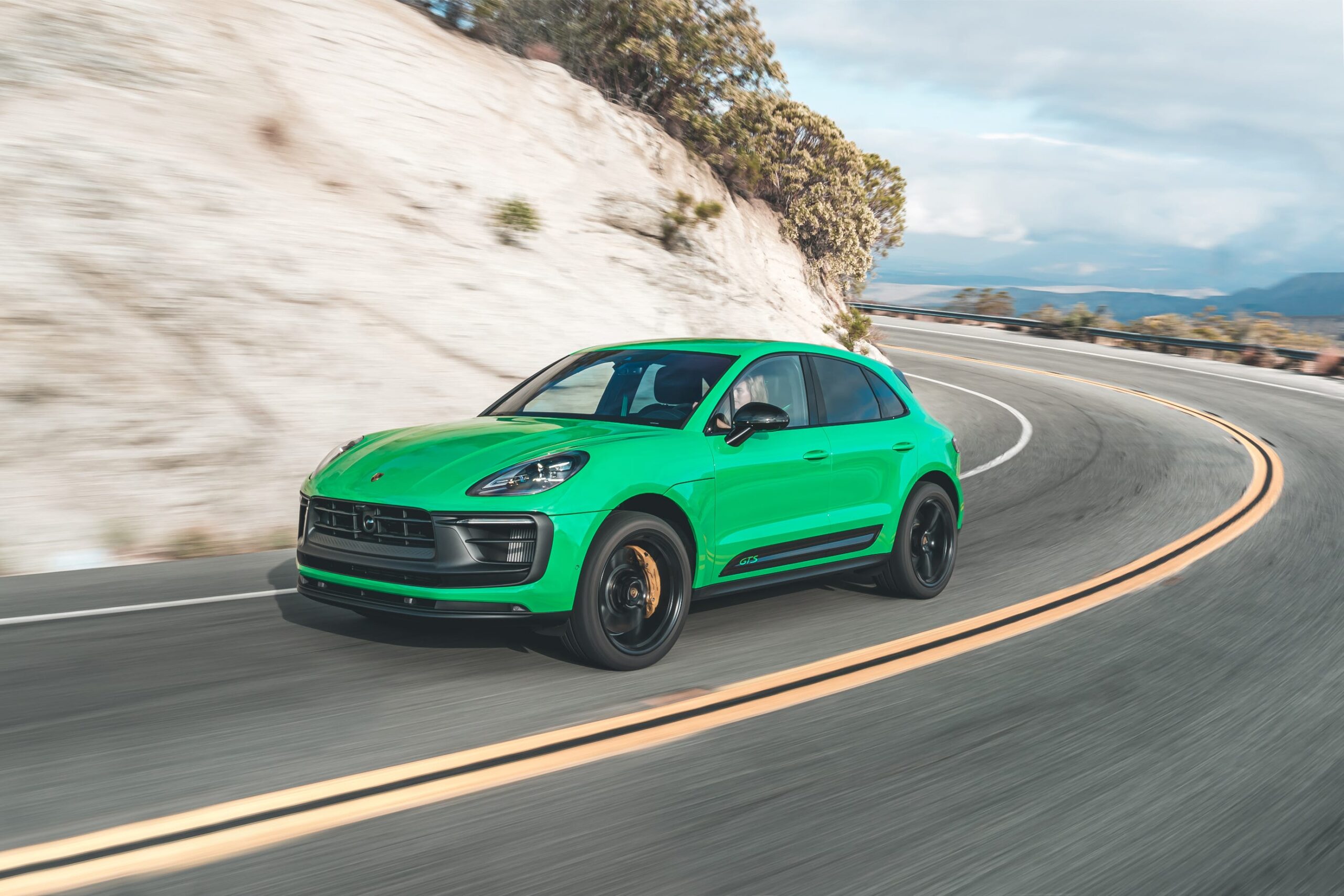


Porsche’s CFO told investors on April 29 what enthusiasts and dealers have dreaded for years: the gas-powered Macan dies this summer. But in nearly the same breath, the company confirmed it’s building a combustion-powered replacement for 2028. That’s the kind of whiplash only a carmaker caught between two eras can deliver.
“Production will be stopped in summer 2026 and during the last month that we have, we produce as much as we can,” CFO Jochen Breckner said on the earnings call. Supplier parts, not factory capacity, will determine how many roll off the Leipzig line before the curtain falls.
No specific month. No production volume targets. Just the promise that Porsche is squeezing every last gas-burning Macan it can out of the supply chain.
The Macan has been Porsche’s volume king since production began in 2013. The company celebrated its one millionth unit last July. It’s the model that funds the 911 and keeps the lights on in Zuffenhausen, and now it’s going through an awkward adolescence — forced into a battery-electric body while a huge chunk of its customer base isn’t ready to follow.
North America accounted for 31 percent of Porsche’s global deliveries in 2025. The gas Macan is disproportionately popular in the U.S., and Breckner made clear the company is steering remaining inventory Stateside. He was remarkably blunt about why.
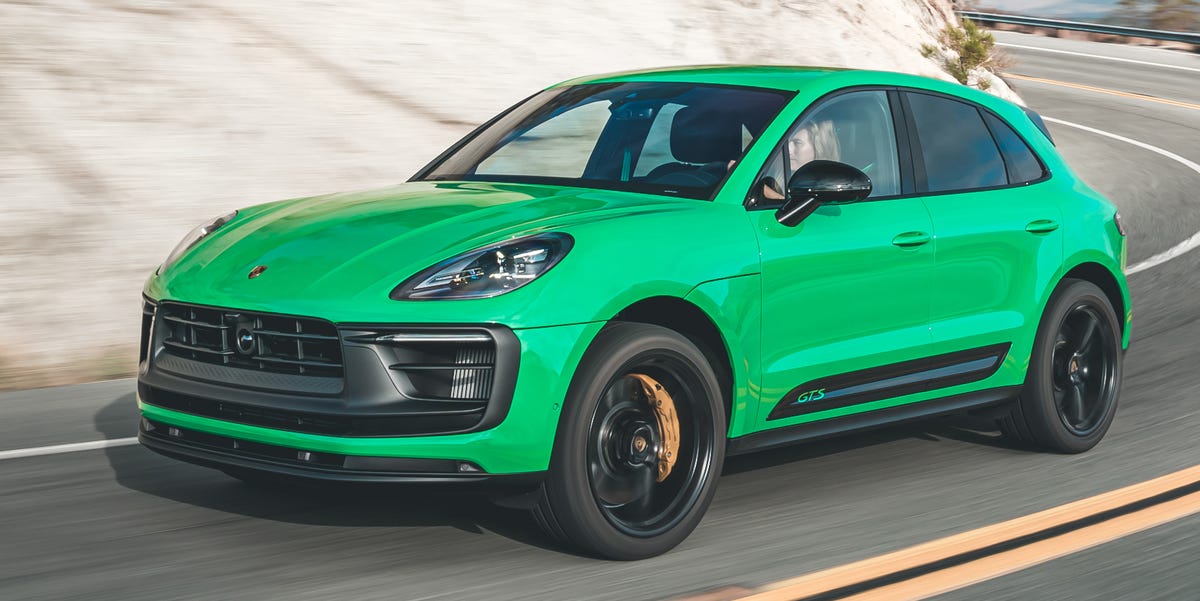
“The tax incentives on the electric vehicles have been stopped by the U.S. government,” Breckner said. “There’s some pressure on the electric Macan in the United States and therefore we provide as many ICE Macans in the United States as we can.”
American buyers aren’t lining up for the electric Macan the way Stuttgart hoped, and without federal EV credits greasing the deal, the gap between want and reality just got wider. So Porsche is hoarding its combustion inventory for the one market that still craves it most.
Leipzig will pivot to building the Macan Electric and Panamera. But combustion isn’t leaving the compact crossover segment permanently. Porsche has committed to a new gas-powered Macan by 2028, built on Audi’s Premium Platform Combustion architecture — the same bones underneath the Q5.
CEO Michael Leiters tried to get ahead of the obvious concern, insisting engineers will “make sure that this is a real Porsche” despite sharing a platform with its corporate cousin. That’s a tough sell for a brand that charges a steep premium over Audi, but Porsche clearly thinks it can pull it off.
The company needs that next-gen model badly. Tariffs and cratering China sales hammered Porsche in 2025, and the automaker is now openly exploring vehicles positioned above its sports cars and the Cayenne to claw back margins. That’s a company under real financial pressure, not one making moves from a position of strength.
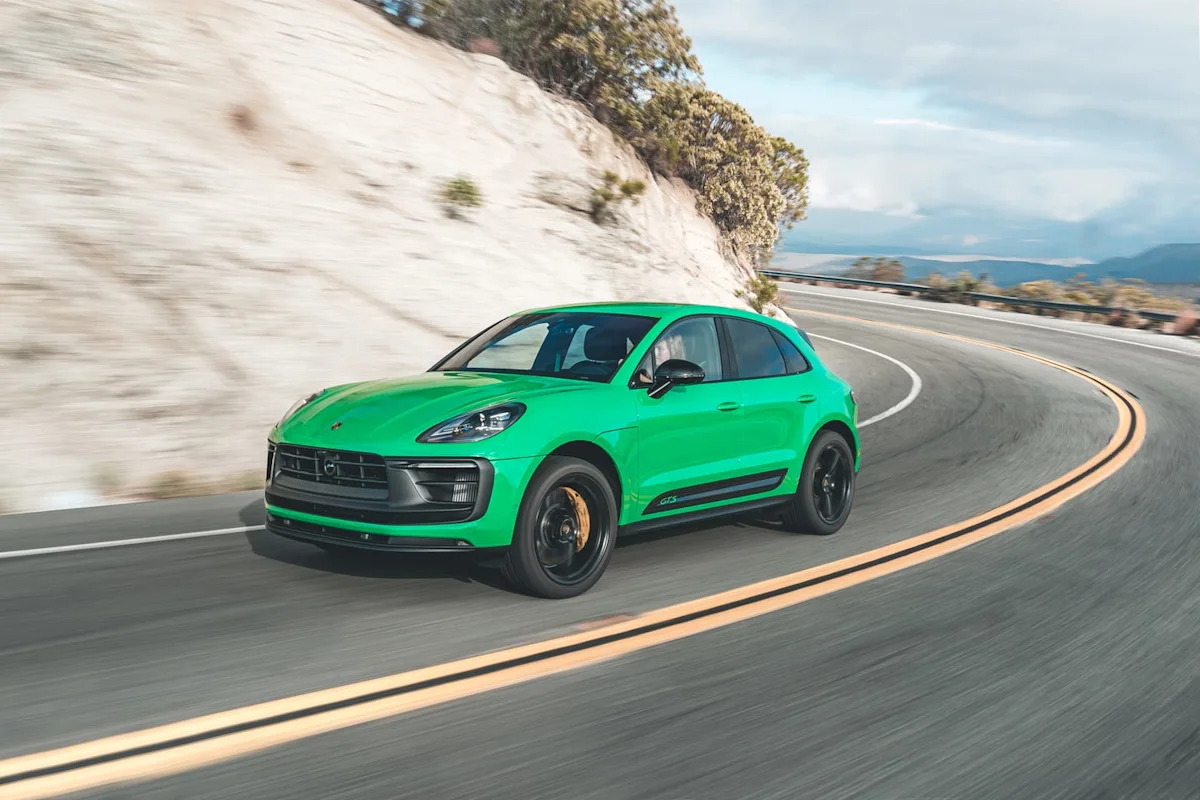
Existing dealer inventory could keep gas Macans available into 2027 in some regions. After that, there’s a gap — possibly two years — where the only Macan you can buy is electric. For a brand that built its modern business case on accessible, fuel-burning SUVs, that’s a dangerous stretch of open water.
Porsche is simultaneously killing the gas Macan and rushing to replace it. The electric version was supposed to be the future. Instead, it’s become the bridge — a placeholder until combustion comes back wearing a new platform and, presumably, a hybrid powertrain.
The company that once promised an all-electric Macan lineup is now rationing its last gasoline models for the American market like wartime supplies. Thirteen years of the combustion Macan ends this summer. The fact that Porsche is already counting down to its return tells you everything about where the EV transition actually stands.
Share this Story