
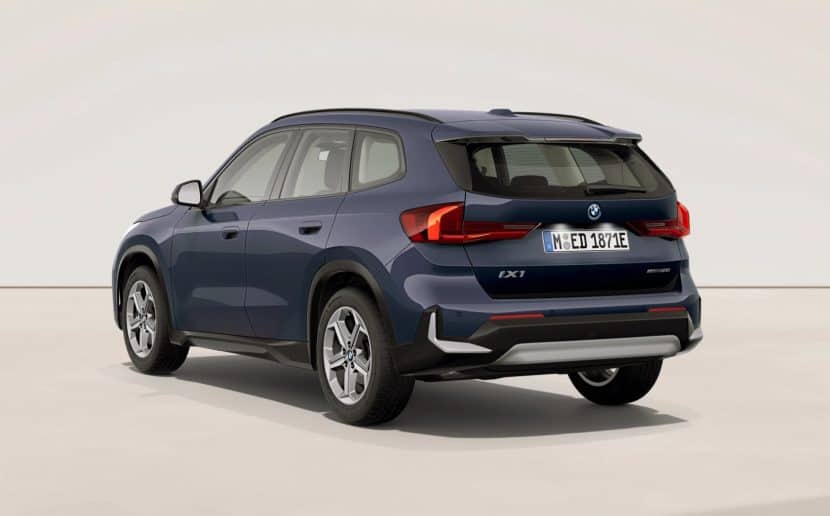


A supplier bottleneck on 17- and 18-inch wheels has thrown BMW iX1 deliveries into disarray, with at least one dealer pushing a customer’s handover back to October. The problem is almost comically mundane for a vehicle that represents BMW’s most affordable electric entry point and one of its best-selling EVs in Europe.
According to a report from German trade publication Automobilwoche, BMW has enough small-wheel inventory to finish out May but faces insufficient supplier capacity for June. The automaker has already begun notifying affected customers by letter, warning of delays that could stretch several months.
The irony is thick. The iX1 models hit hardest are the ones spec’d with the most sensible, range-maximizing wheel choices. Smaller wheels mean less rolling resistance and more miles per charge, exactly the configuration a cost-conscious EV buyer would select. Meanwhile, customers who ticked the box for flashier 19- or 20-inch options face no delays whatsoever.
Only one 17-inch design, the “864,” is offered for the iX1 in Germany. It’s not winning any beauty contests, but it exists for a reason. Step up to 18-inch wheels and there are three choices, though the base model restricts you to the “865” unless you pay for xLine or M Sport trim.
The timing is awkward. Electric vehicle market share in Europe hit 20.6% in Q1 2026, meaning one in five new cars sold across the EU, UK, and EFTA nations now runs on batteries. The iX1 sits right in the sweet spot of that growth — compact, relatively affordable, and practical enough for mainstream buyers. A supply chain hiccup on something as basic as wheels is the kind of stumble that hands customers to competitors who can actually deliver a car.
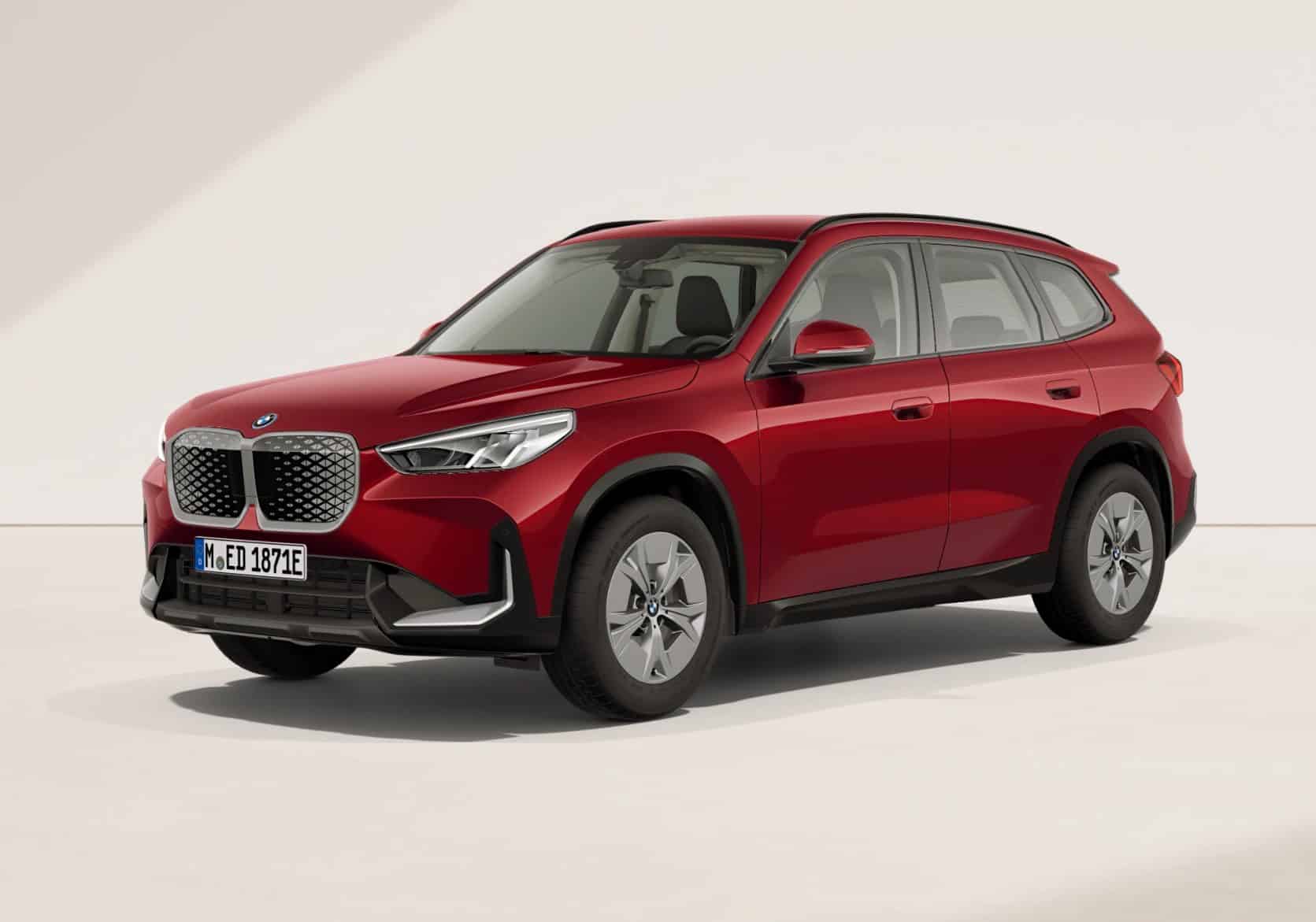
It also creates a peculiar dilemma for buyers caught in limbo. BMW is already testing camouflaged prototypes of the next-generation iX1, internally coded “NB5,” which is expected to arrive by late 2027 or early 2028 on the Neue Klasse platform. That car promises Gen6 round-cell batteries with 20% higher energy density, dramatically faster charging well above the current 130-kW ceiling, and an entirely new design language with BMW’s panoramic windshield projection display.
So if your current iX1 order just got pushed to October, do you wait? Or do you start doing the math on holding out another year for a fundamentally superior vehicle?
Lease customers have it worst. Their existing contracts don’t care about supplier shortfalls. A lease expiring in July doesn’t extend itself because BMW’s wheel vendor can’t keep up. These buyers face the prospect of gap months without a car, or scrambling into a short-term solution that nobody budgeted for.
BMW hasn’t publicly commented on the scope of the problem, and Automobilwoche’s report sits behind a paywall, limiting independent verification of the details. But the pattern is familiar. The electrification push has shifted bottleneck risk away from engines and transmissions and toward components that legacy automakers never had to worry about in volume — battery cells, power electronics, and apparently, aerodynamic wheel sets that nobody stocks in sufficient depth.
The iX1 remains a strong seller in a segment where every delivered unit counts toward EU fleet emissions targets. Every car sitting in a factory waiting for wheels is a car that doesn’t register, doesn’t count, and doesn’t help BMW avoid potential fines.
A wheel shortage sounds trivial. The consequences are anything but.
Share this Story