
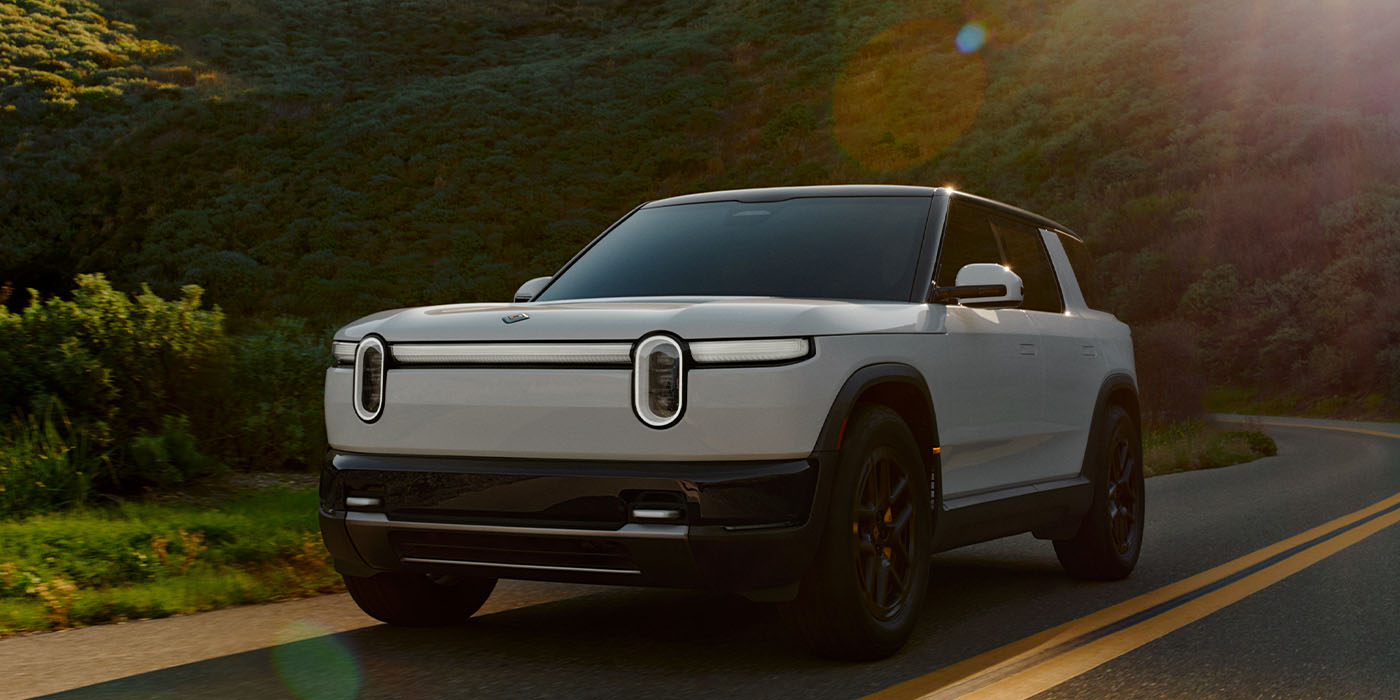


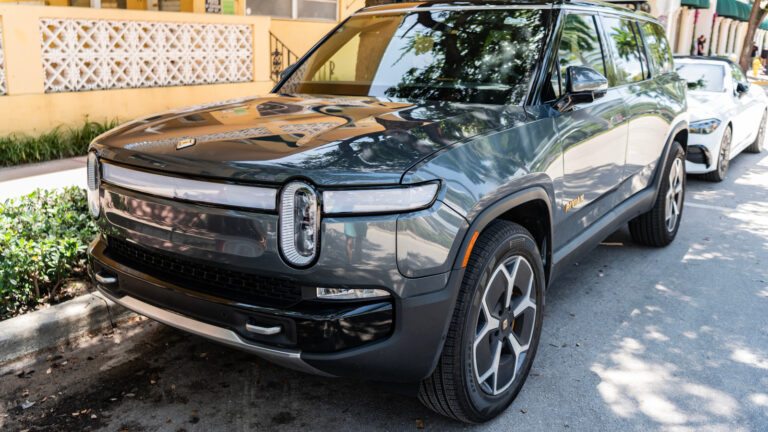
Rivian just told the market it’s not backing down. The company announced a 50 percent increase in production capacity at its Georgia manufacturing facility, pushing annual output potential to 300,000 vehicles. For a company that spent years burning cash and battling skeptics, that’s not a small number — it’s a declaration.
The Georgia plant has been central to Rivian’s second-act strategy since the company broke ground there to complement its original Normal, Illinois factory. Equipped with newer manufacturing technology and designed from scratch for scale, it was always meant to be the volume play. Now Rivian is pulling that lever harder and faster than most analysts expected.
Timing matters here. The EV market in 2026 looks nothing like the bloodbath of 2024, when overcapacity fears and softening demand sent startup valuations into a ditch. Consumer appetite has recovered, driven partly by tighter emissions regulations globally and partly by the simple fact that the vehicles themselves have gotten better. Rivian’s R2, its more affordable midsize SUV aimed squarely at the mainstream, is the product this capacity expansion is built around.
Three hundred thousand units annually would put Rivian in a different league entirely. For context, the company delivered roughly 50,000 vehicles in 2024. Hitting even two-thirds of this new capacity target would represent a jump from niche adventure-brand to legitimate volume player.
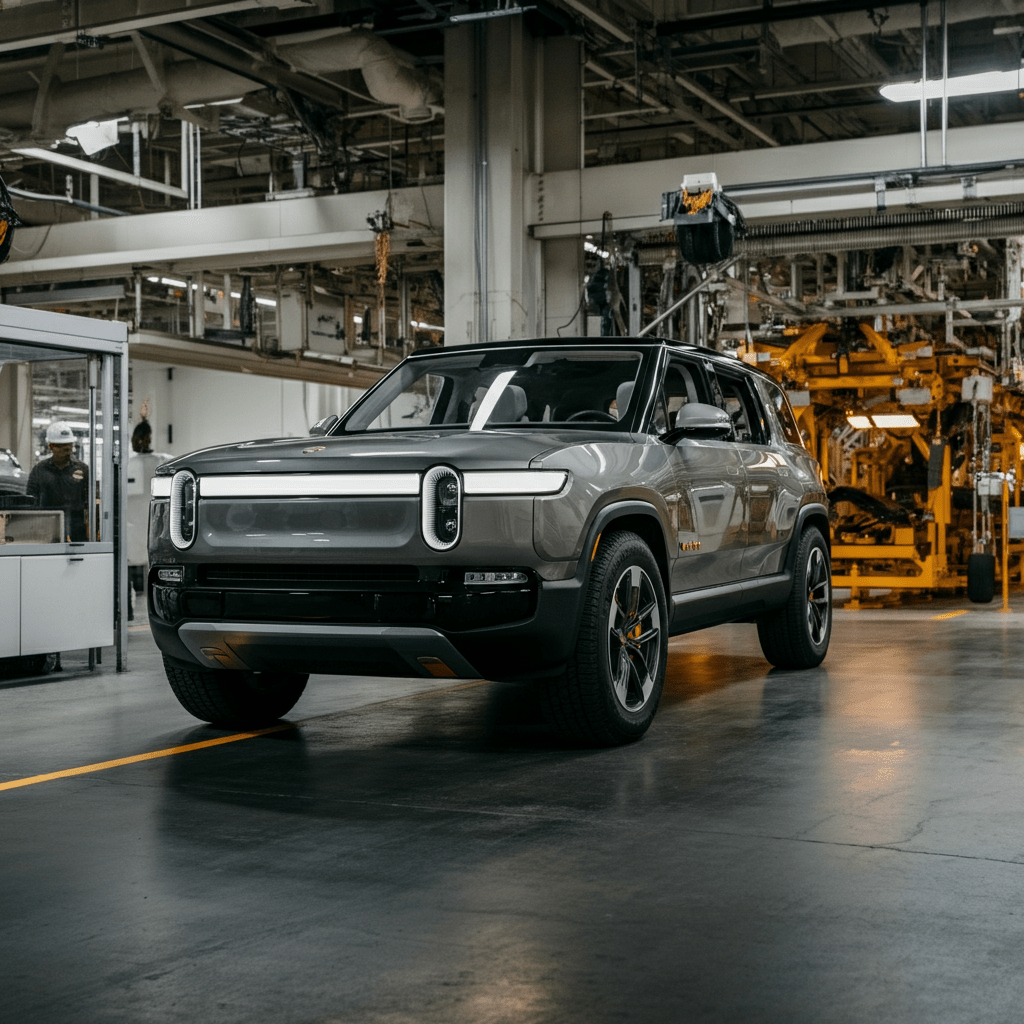
That’s the kind of trajectory that changes how Wall Street models the stock and how suppliers negotiate contracts. The local economic ripple is real, too. Rivian confirmed it has already started hiring for positions tied to the expanded output.
A company spokesperson said the growth “illustrates our commitment to both innovation and local prosperity,” which is boilerplate language, but the jobs behind it are not. Georgia fought hard to land this plant. The state’s bet is starting to look like it could pay off in a meaningful way for the region’s workforce.
But ambition and execution are two very different animals, and Rivian knows this better than most. Supply chain fragility hasn’t disappeared — it’s just become less of a crisis and more of a chronic condition. Securing battery cells, semiconductor chips, and raw materials at the scale needed for 300,000 vehicles per year will test every supplier relationship Rivian has.
One bottleneck and the whole line slows down. Then there’s the competitive picture. Ford is pushing harder on its next-generation EV platform.
Tesla continues to dominate on volume and cost. Hyundai and Kia keep eating into the affordable EV segment. GM has quietly rebuilt its electric credibility.
Rivian isn’t walking into an open field — it’s walking into a knife fight with better-capitalized opponents who’ve spent decades mastering high-volume manufacturing. What separates Rivian from the long list of EV startups that flamed out is that it actually builds and delivers vehicles people want. The R1T and R1S earned genuine loyalty, not just hype.
The R2 could extend that loyalty to a much larger customer base — if Rivian can build them fast enough and keep quality tight while scaling. Boosting capacity is the easy announcement. Filling that capacity profitably, consistently, month after month, while managing costs and fending off rivals — that’s the part that will determine whether Rivian becomes a permanent fixture in the industry or remains a compelling story that never quite reached its potential.
The Georgia plant expansion says Rivian believes it can get there. Now it has to prove it.
Share this Story