



One out of every three BMW electric vehicles ordered in Europe right now is an iX3. That single statistic tells you everything about how quickly the Neue Klasse platform has landed.
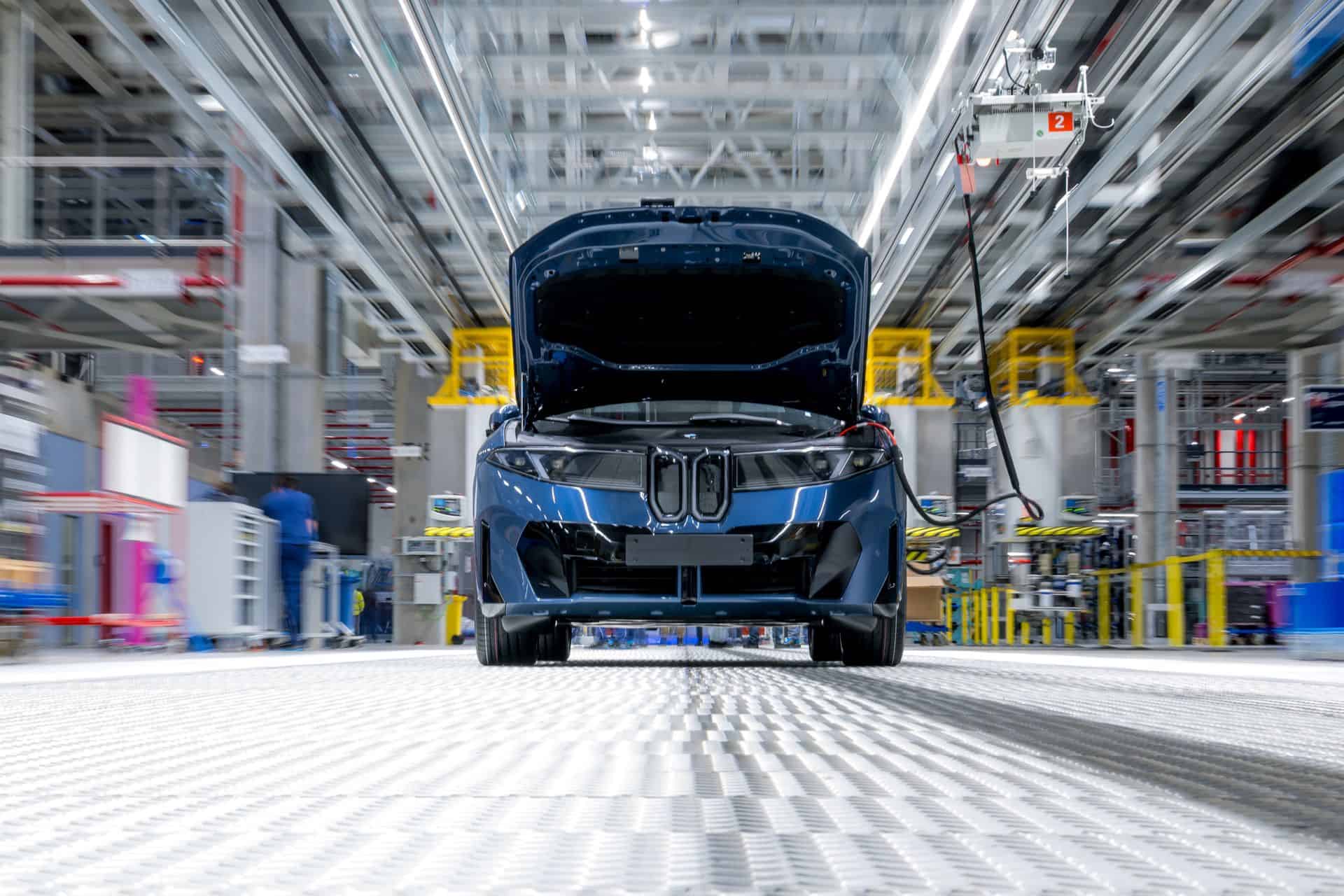
BMW’s brand-new factory in Debrecen, Hungary, is already running double shifts to keep pace with demand, just months after European deliveries began. CEO Oliver Zipse confirmed that orders are “significantly exceeding expectations” and the books are full “well into this year.”
The Debrecen plant can build up to 150,000 vehicles annually at full tilt. It’s not there yet, but the fact that BMW announced a second shift in January and already has it running tells you the pressure is real. Ramping a second shift at a completely new factory ahead of schedule is not a trivial exercise — it’s an expensive, logistically brutal process that no automaker undertakes unless making customers wait is the worse option.
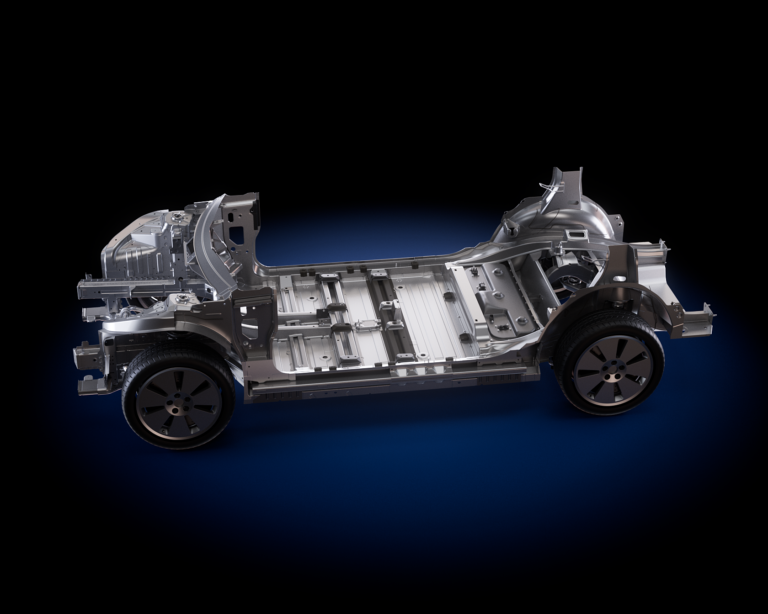
BMW sank billions into the Neue Klasse architecture, its 800-volt electrical platform, and the Debrecen facility itself. For a company that spent the better part of a decade hedging its EV bets while competitors went all-in, the iX3’s reception amounts to vindication. The SUV offers up to 400 miles of EPA range, ultra-fast charging, and an interior that finally feels like BMW is taking electric seriously rather than bolting batteries onto existing platforms.
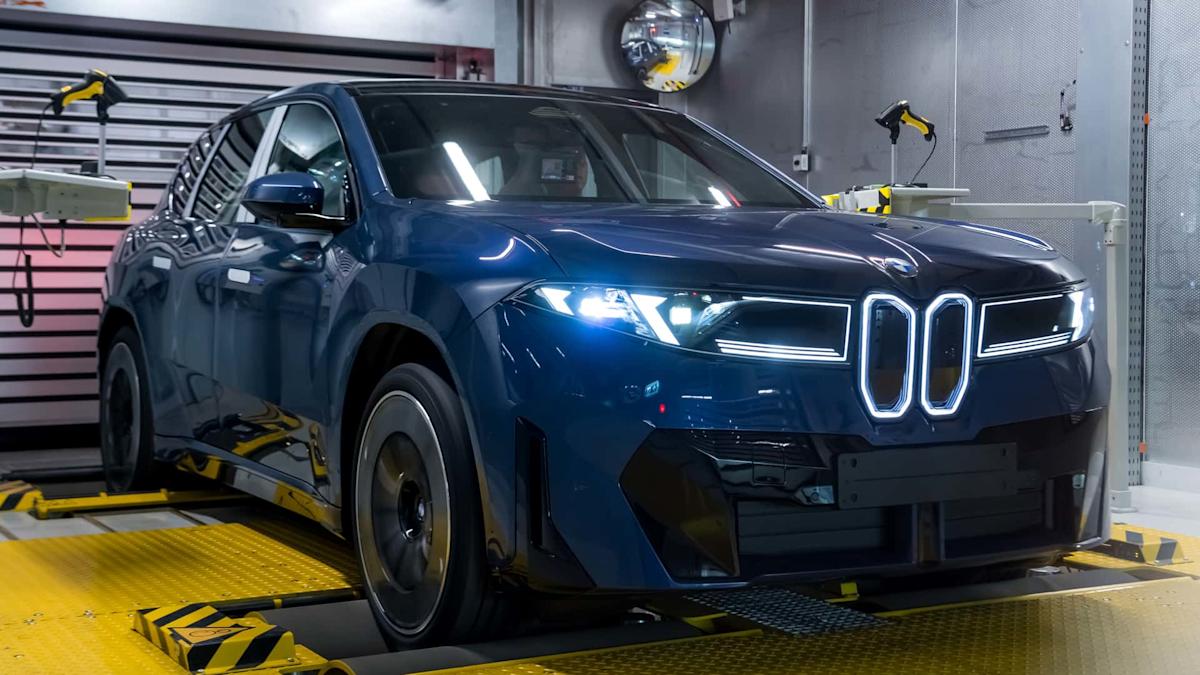
Zipse says the iX3 is pulling in buyers who have never owned a BMW before. That’s the number that should make rivals nervous. Conquest sales are the hardest to earn and the most valuable to hold.
U.S. deliveries are slated to begin this summer, starting with the iX3 50 xDrive. A more affordable rear-wheel-drive iX3 40 will follow, along with an iX3 M60 performance variant. The real headline-grabber — a four-motor M version rumored at 800-plus horsepower — is expected in 2027.
For now, the short-wheelbase iX3 is built exclusively in Hungary. BMW is already laying groundwork to expand production to its San Luis Potosí plant in Mexico, with output targeted for mid-2027 to serve North America. A long-wheelbase version will roll out of China this year, destined for markets like India, Thailand, Indonesia, and Malaysia where rear legroom sells metal.
BMW isn’t operating in a vacuum. Volvo says demand for its EX60 is strong enough to increase 2026 production. Mercedes-Benz reports its electric GLC is tracking toward hit status. The European luxury establishment, after years of letting Tesla and Chinese brands define the EV conversation, is finally showing up with products that match its brand equity.
The difference between this generation and the awkward early efforts — the original iX3, the EQC, the XC40 Recharge — is night and day.
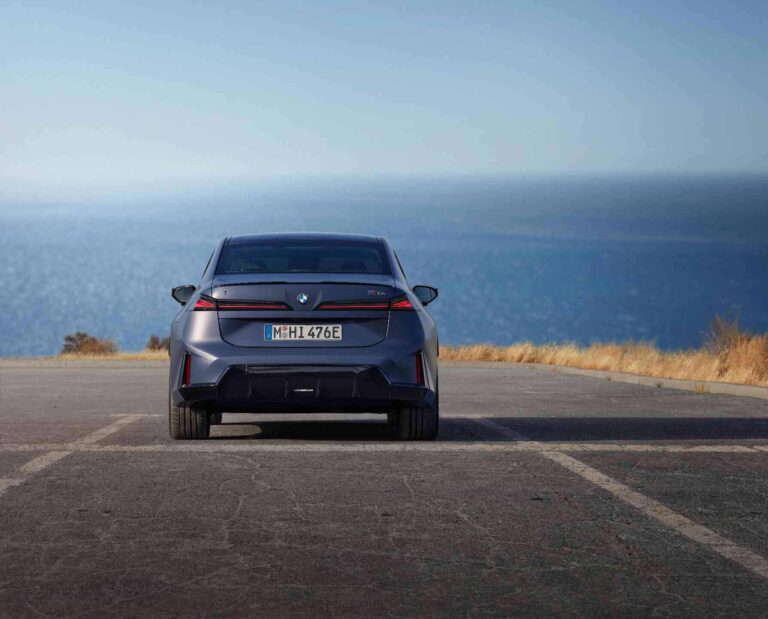
The Neue Klasse rollout doesn’t stop with the iX3, either. BMW will reveal the new i3 sedan on March 18, with production beginning in the second half of the year at the Munich plant. To clear floor space, 3 Series production shifts to Dingolfing. That kind of factory reshuffling signals long-term commitment, not a test balloon.
Two years ago, the conventional wisdom held that legacy automakers had waited too long, that Tesla and BYD had locked up the EV market. BMW’s order books suggest otherwise. Customers, it turns out, were waiting for the right product — not just any product with a plug. Double shifts at a factory that hasn’t even celebrated its first birthday is about as clear a market signal as you’ll ever get.
Share this Story