
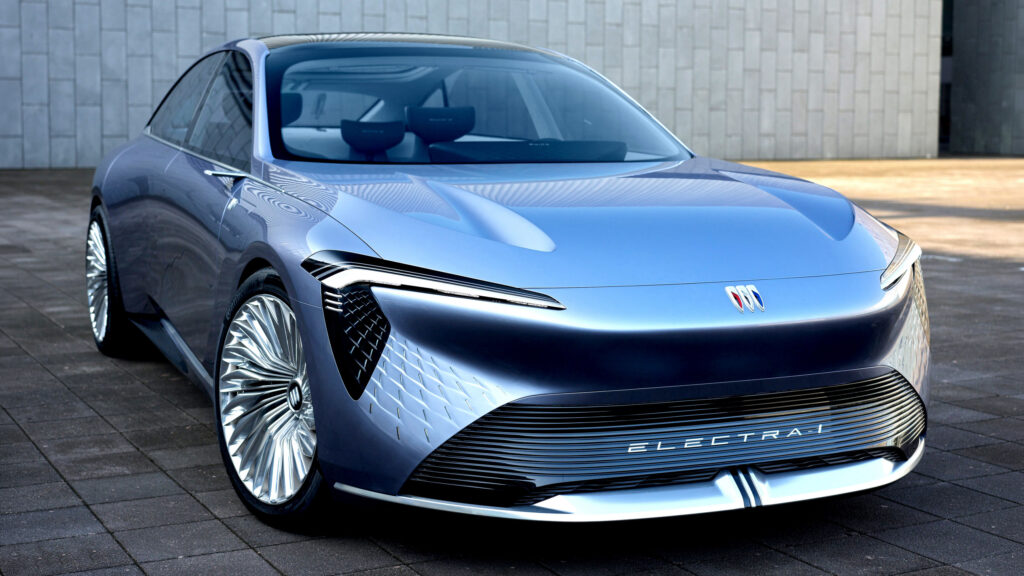


The kids don’t want your crossover. A February 2026 Escalent study surveying more than 1,000 teenagers between 14 and 19 found that 51 percent see themselves driving sedans in the future. Only 31 percent picked SUVs, and fourteen percent chose trucks.
That’s a striking reversal from the market reality their parents built. Sedans currently account for just 14 percent of mainstream vehicle purchases, according to Edmunds data from the first quarter. The segment has been systematically gutted over the past two decades as automakers chased fatter SUV margins and consumers followed the herd into taller, heavier machines.
Now the herd is getting restless.
Cox Automotive numbers lay out the economic case plainly. Compact cars average around $27,590. Compact SUVs sit at $37,514 — a gap of nearly $10,000 for vehicles that share most of their mechanical DNA.
At the midsize level, it gets worse: $34,069 for sedans versus north of $50,000 for SUVs.
With fuel prices elevated by the war in Iran, the efficiency argument sharpens further. Gasoline sedans can average roughly 10 mpg better combined fuel economy than large gasoline SUVs. That difference compounds fast at $4-plus per gallon.
The generational psychology is almost too predictable. Gen X rejected the sedans and minivans they grew up with, flooding driveways with SUVs and crossovers. Now their children, raised in a landscape of identical lifted silhouettes, are rebelling in the most predictable way possible — by wanting exactly what their parents abandoned.
Every generation defines itself against the driveway it inherited.
Industry insiders are no longer pretending this isn’t happening. Karl Brauer of iSeeCars has described the phenomenon bluntly as “SUV fatigue.” Stellantis design boss Ralph Gilles admitted earlier this year that even he has grown tired of designing yet another tall wagon.
These aren’t outsiders lobbing grenades. These are people deep inside the machine saying the machine needs recalibrating.
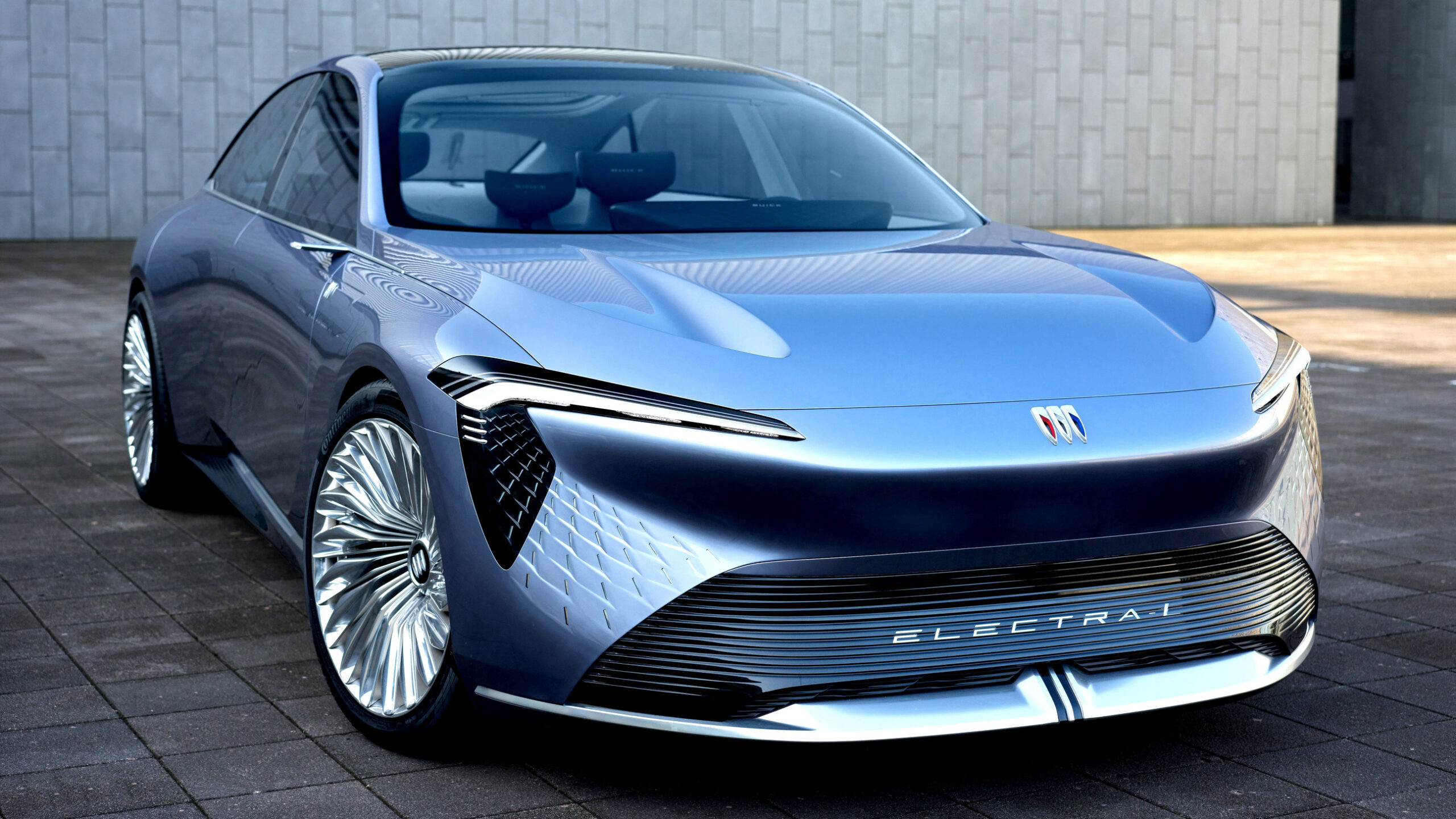
And the product plans are starting to reflect it. Jim Farley has repeatedly teased future Ford sedans. Reports indicate GM may be considering a new Buick sedan, Honda recently showed a hybrid sedan prototype, and Nissan’s Infiniti brand is preparing a new Q50S sports sedan for next year.
Aaron Bragman, Detroit bureau chief at Cars.com, framed the opportunity in terms that should make product planners salivate. Right now, so many automakers have exited the sedan space that it could almost be considered a ‘white space’ category — one that new or returning players can join and make a big splash,” he told the Detroit Free Press. Toyota, Honda, Hyundai, and Kia held their ground, and everyone else left a vacuum.
There’s a less obvious benefit buried in all this. Sedans sit lower, weigh less, and carry their mass closer to the ground. Steering feels more direct, the driving experience demands more attention, and it rewards that attention with more feedback.
That’s not just car-enthusiast romanticism — it’s a safety argument. A driver who feels connected to two tons of moving metal pays more attention than one cocooned in a high-riding isolation chamber designed to make the road disappear.
Sedans also attract buyers without trade-ins at higher rates, according to Edmunds, partly because lower sticker prices open the door for first-time and budget-conscious shoppers. For a generation entering the market saddled with student debt and staring down housing costs their parents never faced, a $27,000 compact car isn’t a consolation prize. It’s the rational choice.
The automakers who abandoned sedans did so chasing margins, not reading the future. The future, it turns out, looks a lot like the past — just younger, broker, and thoroughly sick of crossovers.

Share this Story