
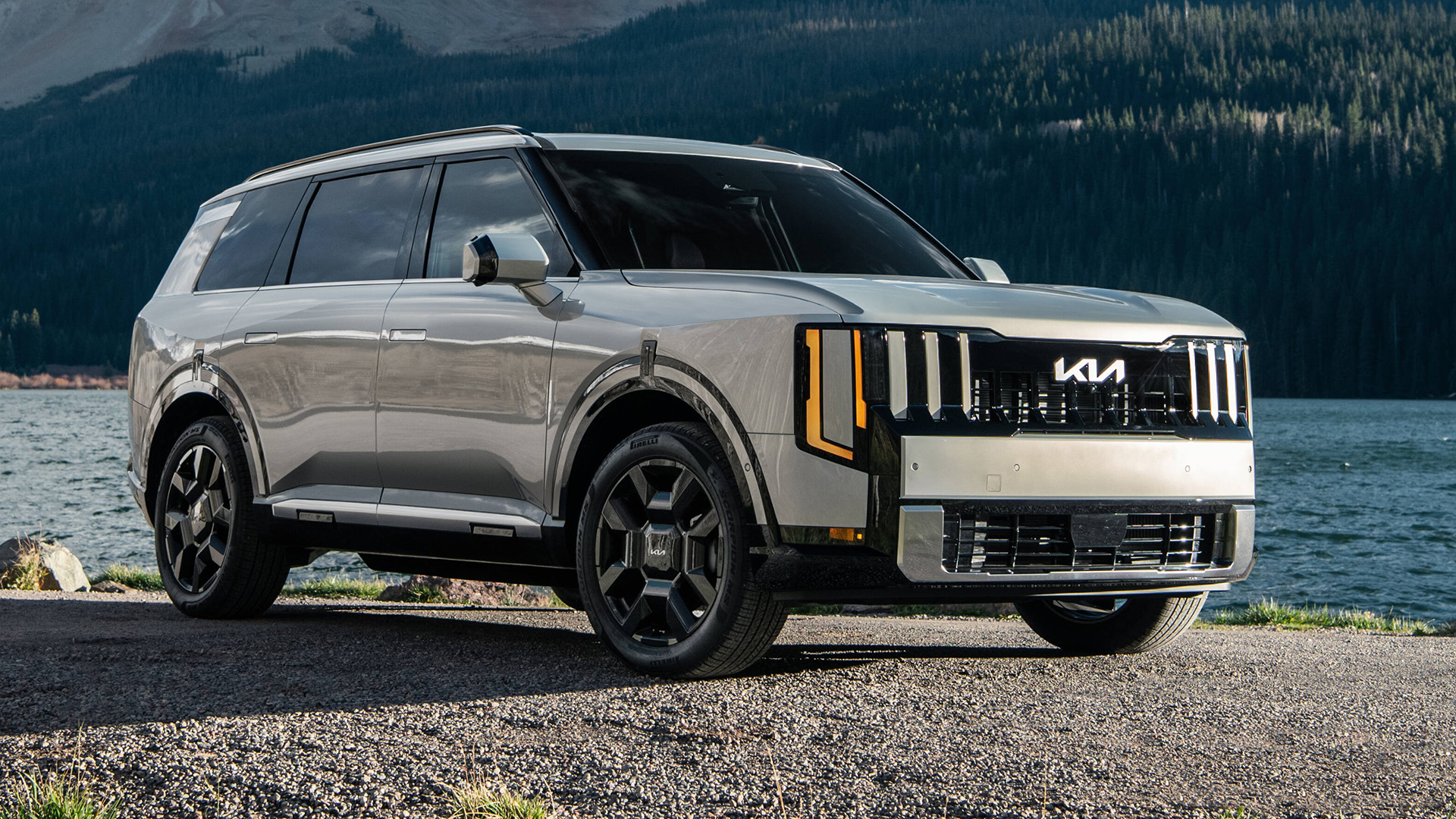


A two-year-old girl died in Ohio on March 7 after a power-folding rear seat in a 2026 Hyundai Palisade failed to detect her. Three weeks later, the fallout has spread from Hyundai to its corporate sibling Kia, grounding the most expensive versions of the Telluride Hybrid just as production was finally ramping up to meet demand.
Kia is recalling 568 Telluride Hybrids, specifically 2027 SX Prestige and X-Line SX Prestige models equipped with the Executive Package, and has halted sales of those trims entirely. The power second-row seats in these vehicles can tilt, slide, and fold at the touch of a button, but the system may not sense a person in or near the seat while it moves. A child, in particular, can be trapped and crushed.
The Hyundai side is far larger. The company recalled 61,093 Palisades across Limited and Calligraphy trims. Hyundai logged 17 complaints about the seats between mid-August and March 9, including four injuries and the one fatality.
Kia says it has received zero complaints or injury reports on the Telluride, but the mechanical kinship between the two SUVs made action unavoidable.
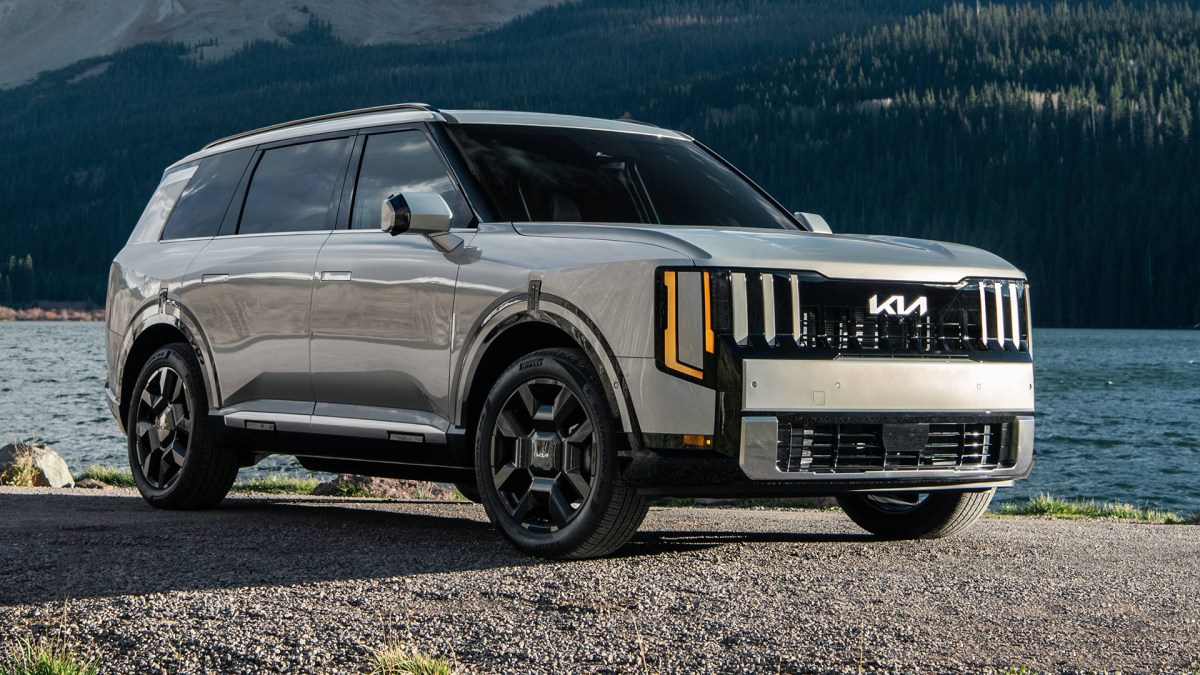
Neither automaker has a permanent fix ready. Hyundai is pushing an interim over-the-air software update designed to increase the sensitivity of the rear-seat occupant sensors, and Palisade owners can visit a dealer now for a preliminary software patch. Kia’s remedy is still listed as “under development,” with owner notification letters scheduled to go out by May 19.
Until then, the company’s guidance boils down to this: keep kids away from the back seats when the power-fold buttons are anywhere near a finger.
The timing stings for Kia. The Telluride has been a production miracle and a perpetual allocation headache since its 2020 launch, routinely selling above sticker and generating the kind of dealer buzz most brands would kill for. Kia just boosted Telluride production for the fifth consecutive time to keep up with demand, and now the flagship trims are sitting behind velvet ropes on dealer lots with no sale date in sight.
The power seat technology at the center of this recall is the kind of feature that separates a $52,000 Telluride from a $45,000 one. One-touch fold-and-stow, walk-in access to the third row — these are the convenience plays that justify premium pricing in a segment where Kia competes with the Chevrolet Traverse, Toyota Grand Highlander, and its own Palisade stablemate. Pulling those trims off the market doesn’t just freeze revenue; it freezes the brand’s ability to sell its best story.
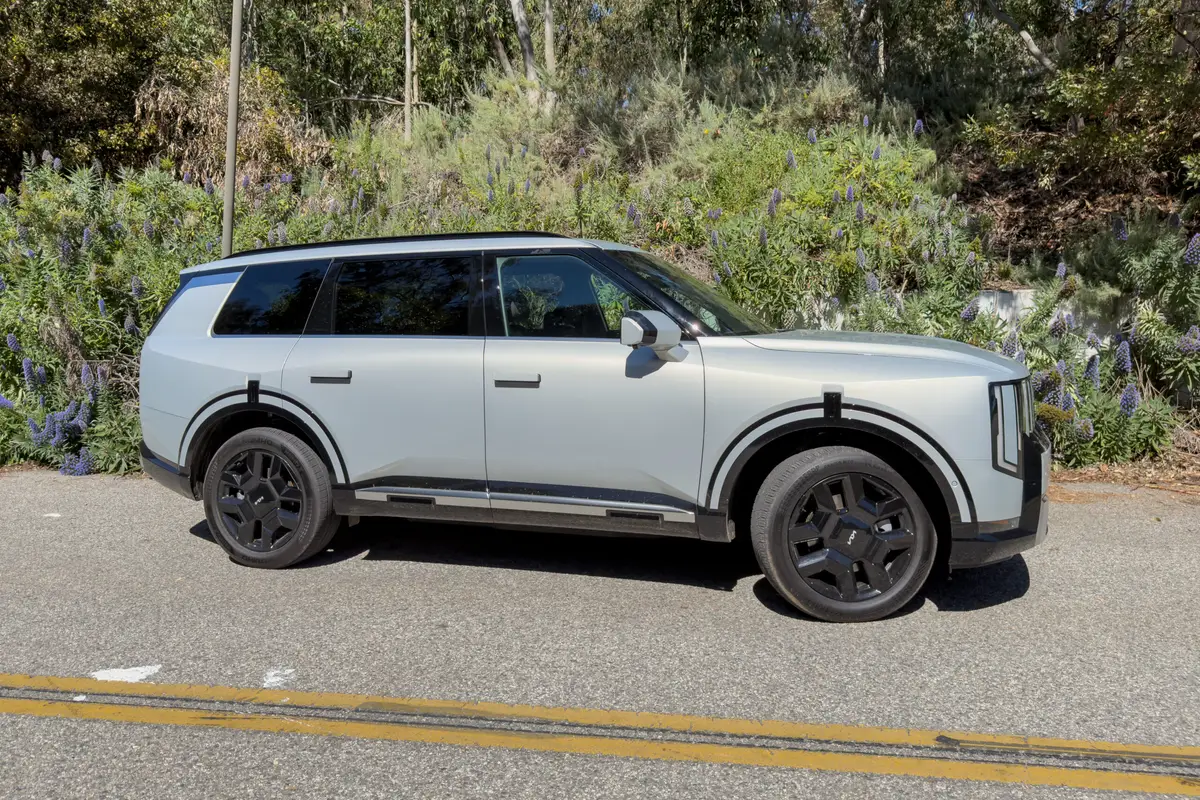
Hyundai Motor Group’s shared-platform strategy has delivered enormous economies of scale. The Palisade and Telluride ride on the same bones, use the same supplier base, and now share the same defect. One fatal incident in Ohio cascaded across two brands, two nameplates, and roughly 61,600 vehicles in under three weeks.
Kia’s 568-unit recall is a rounding error next to Hyundai’s 61,000. But the sales halt on top trims is the real cost, and the clock is running with no fix date in sight. For buyers who had a loaded Telluride Hybrid on order, the wait just got longer — and the reason is as grim as it gets.
Share this Story