
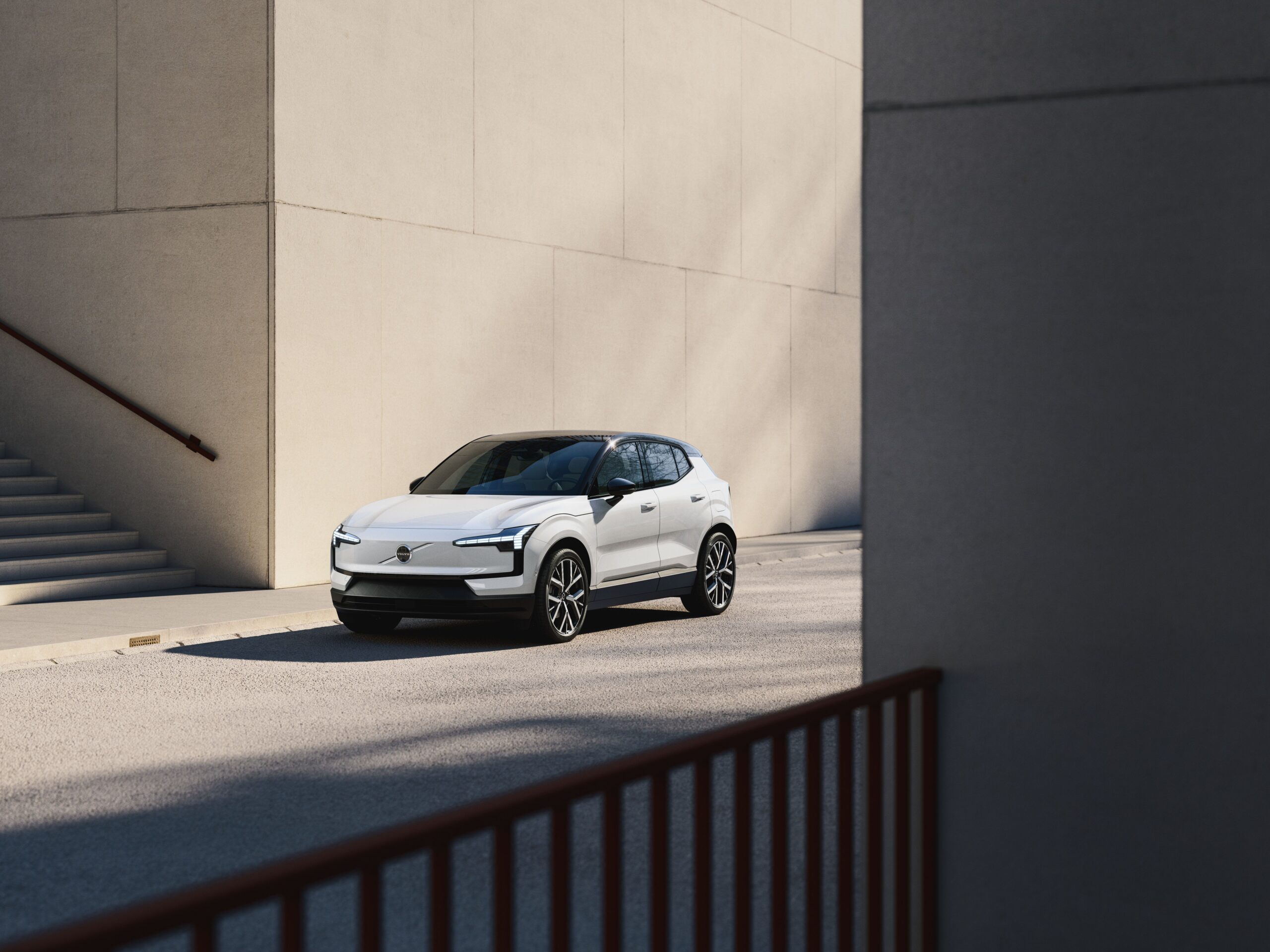


Volvo just proved that the best new car features don’t always require buying a new car. The Swedish automaker announced that the 2027 EX30 will gain vehicle-to-load capability and a revamped infotainment system, and both upgrades will be pushed to existing EX30 models through an over-the-air update.
That means if you already own an EX30, your subcompact electric SUV is about to become a mobile charging station. The V2L feature lets the car’s battery power external devices, whether that’s power tools at a job site, a portable fridge on a camping trip, or appliances during a blackout. The hardware was apparently baked into the EX30 from the start, and Volvo just hadn’t flipped the switch.
An adapter will be required, but the functionality itself comes free through the software update.
The infotainment overhaul is equally welcome. The EX30’s portrait-oriented touchscreen gets a new user interface with a customizable content bar and reorganized controls designed to make commonly used functions less buried. Anyone who’s fumbled through nested menus while trying to adjust climate settings knows this kind of thing matters more than spec sheets suggest.
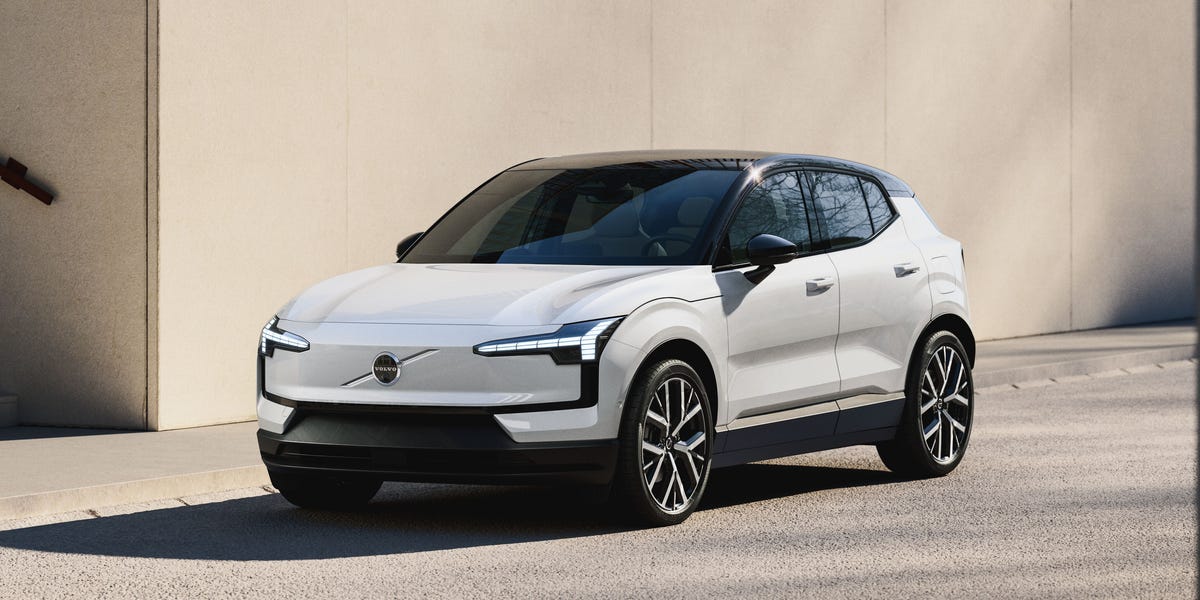
Beyond the software side, Volvo is shaking up the EX30’s powertrain lineup for 2027 with the addition of a new entry-level option. A 148-horsepower single-motor setup joins the existing 268-hp rear-drive and 422-hp dual-motor all-wheel-drive configurations. The budget motor can be paired with either a 51-kWh or 69-kWh battery pack, delivering an estimated 179 to 251 miles of range under Europe’s generous WLTP testing protocol. Real-world numbers in the U.S. would likely come in lower.
The Cross Country trim also gets expanded powertrain availability, now offering the rear-wheel-drive setup for the first time, though it appears limited to the 268-hp version. That’s a smart move. Not every buyer who wants the rugged aesthetic needs all-wheel drive, and the lower price of entry should broaden the Cross Country’s appeal.
On the styling front, Volvo is leaning into the blacked-out look. The Black Edition treatment, previously limited in availability, now extends across more trim levels. Inside, two new interior themes debut: a Harvest option with light-colored recycled woven upholstery and dark flax trim, and a Black theme combining Nordico upholstery with the same dark flax accents. These are physical changes, obviously, so existing owners won’t be getting them through any update.
Here’s the catch. Everything announced so far appeared on Volvo’s global media site, and the company’s U.S. spokesperson declined to confirm which updates would apply to American-market models. That silence is telling but not alarming.
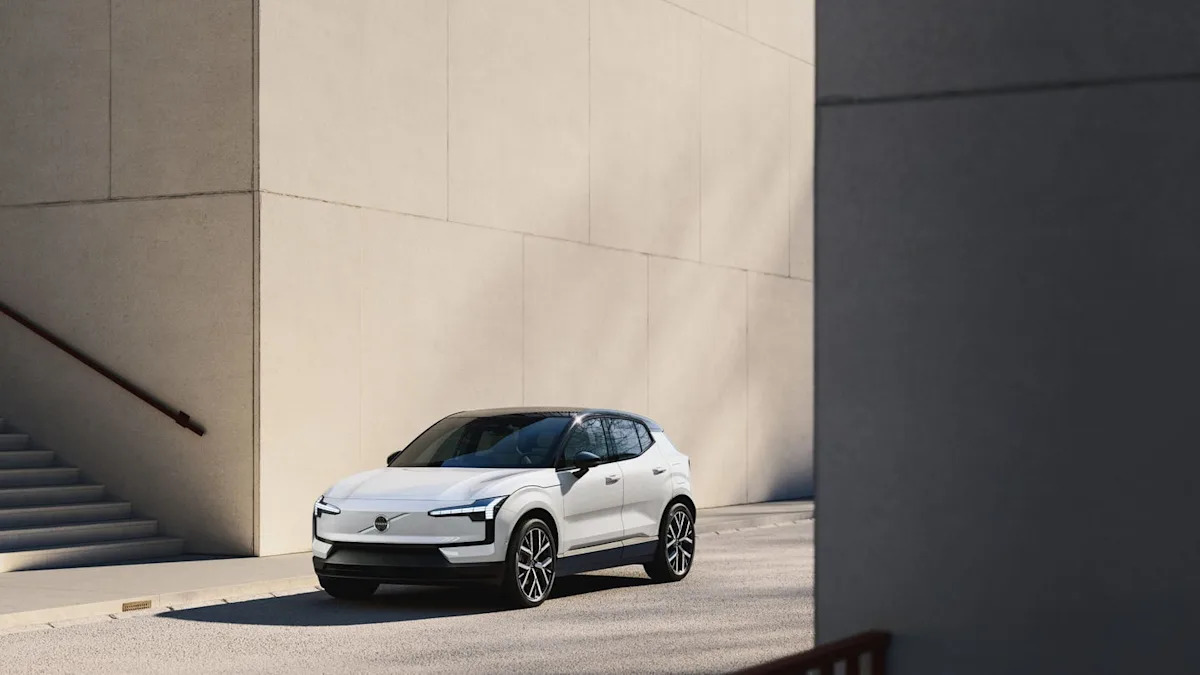
The OTA updates and styling changes seem like near-certainties for the States. The 148-hp powertrain, however, is a different story. American buyers have historically shown little appetite for low-output EVs, and Volvo may decide it’s not worth the certification hassle.
The broader significance here goes beyond one model. Volvo is demonstrating something the industry has promised for years but rarely delivered: meaningful post-purchase upgrades that don’t cost the owner a dime. Tesla pioneered the concept, but other automakers have been slow to follow with anything beyond minor bug fixes and map updates.
Unlocking V2L functionality that was hiding in the hardware all along is exactly the kind of move that builds long-term brand loyalty.
The 2027 EX30 remains Volvo’s most affordable EV, and with a third powertrain option lowering the floor even further in global markets, the little SUV is clearly being positioned as a volume play. Whether the cheapest version crosses the Atlantic is almost beside the point. The real story is that Volvo just made every EX30 on the road more capable overnight, and that’s a trick worth paying attention to.



Share this Story