
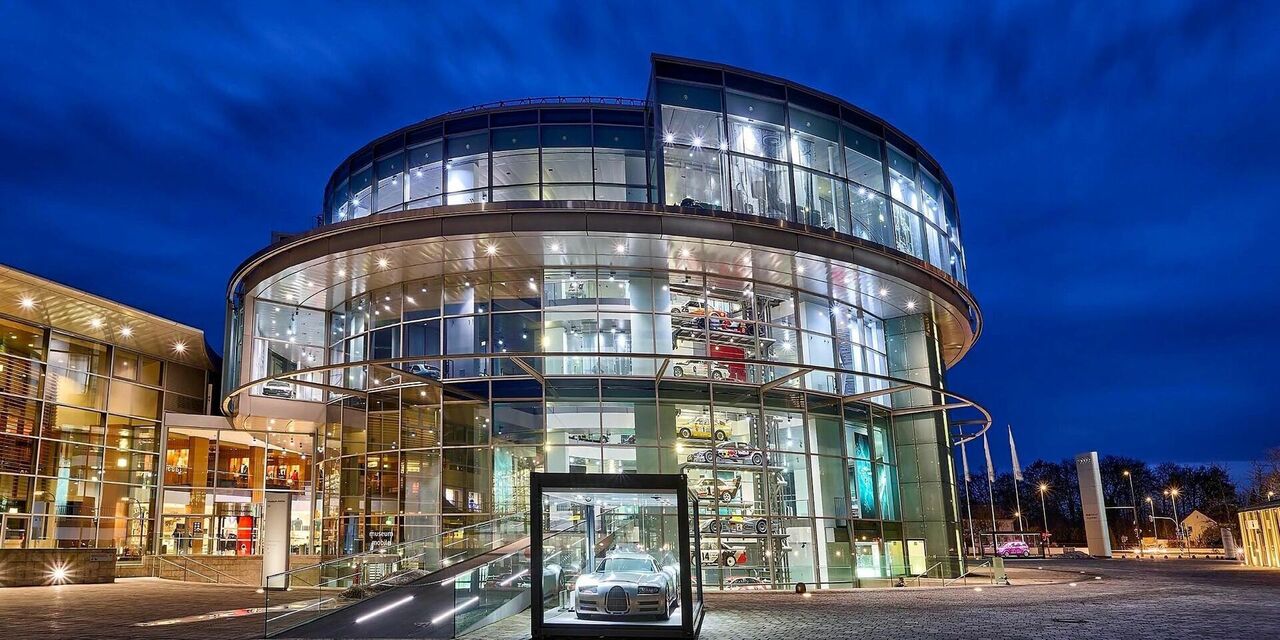


Fermín Soneira is leaving Shanghai for Sant’Agata Bolognese. Fred Schulze is leaving Neckarsulm for Shanghai. Thomas Bogus, the man who oversaw the shuttering of Audi Brussels, is picking up the keys to Neckarsulm. Three moves, effective July 1, and every one of them tells you where Audi thinks its future lives.
Start with Soneira. He was Gernot Döllner’s handpicked choice in early 2024 to run the SAIC-AUDI joint venture in China, the sub-brand tasked with building electric vehicles specifically for the Chinese market from the ground up. The AUDI E5 Sportback hit series production last year; the E7X follows later in 2026. Soneira got the brand launched. Now he’s being pulled out and sent to Lamborghini as Chief Technical Officer, replacing Rouven Mohr, who moved up to the Audi AG board for Technical Development back in March.
That Lamborghini appointment is no ceremonial post. The supercar brand has already hybridized its entire lineup, a first in the segment, and the next phase of electrification will demand serious technical leadership. Soneira’s résumé, which includes managing every Audi electric model from the A- through C-segment before his China stint, makes the fit obvious. Mohr has been pulling double duty as interim CTO at Lamborghini while sitting on the Audi board. That arrangement was never meant to last.
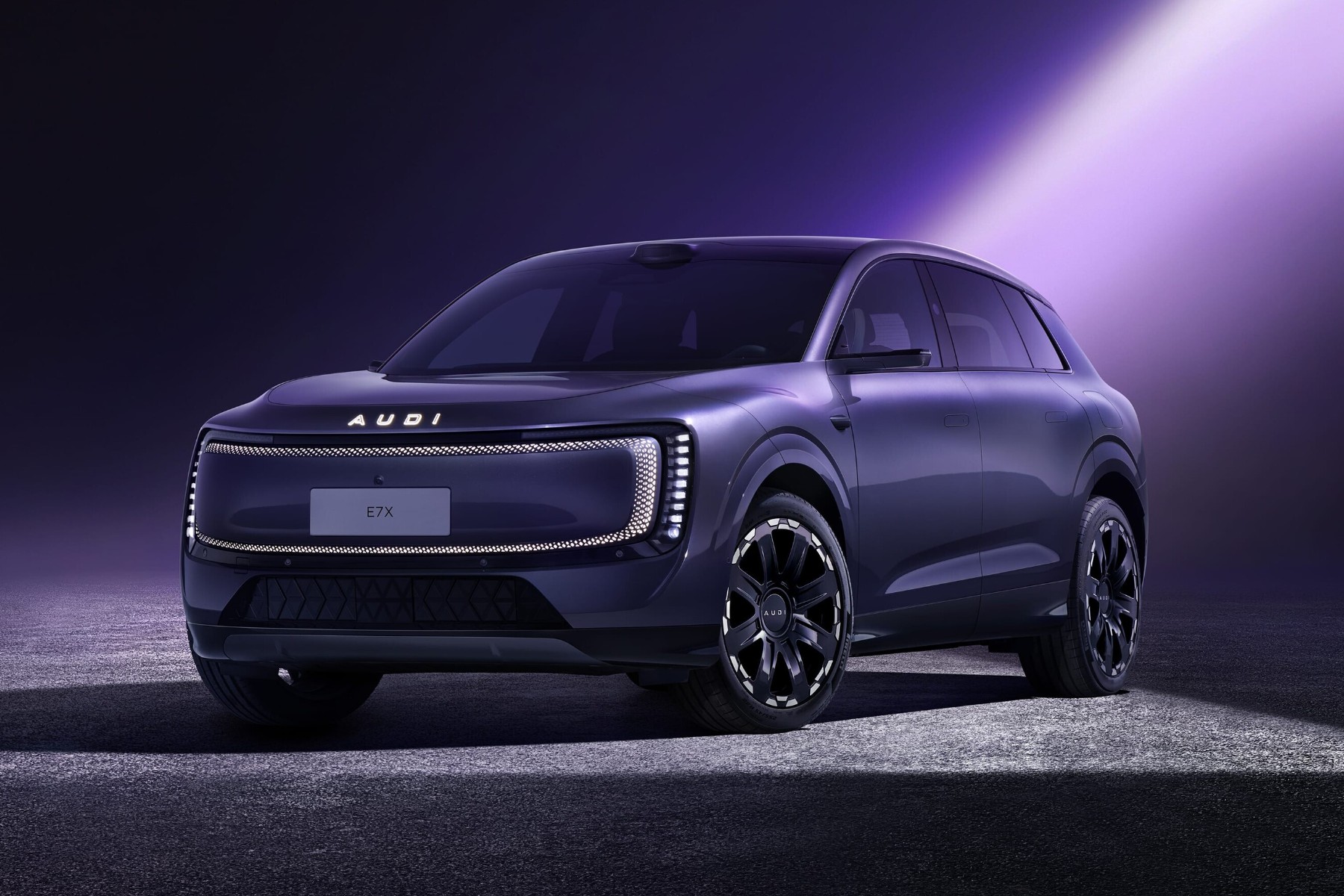
The more revealing move is Fred Schulze heading to China. He’s currently running the Neckarsulm plant, a facility that still builds combustion and hybrid versions of the A6 and A7. Döllner called him “a China expert with extensive experience in premium production and holistic vehicle development.” The job is to scale AUDI’s operations, with a third model already planned for 2027, and sharpen its identity in a market where competition from BYD, NIO, and Xiaomi is relentless.
Sending your Neckarsulm plant boss to lead the China venture says something about priorities. The SAIC-AUDI project isn’t a side experiment anymore. It’s a front line.
Then there’s Thomas Bogus. His last job was CEO of Audi Brussels, the plant that built the e-tron quattro and Q8 e-tron before closing its doors in February 2025. That shutdown was bruising, politically, financially, and in terms of public perception. Now Bogus takes over at Neckarsulm, which Audi is positioning not just as a luxury production site but as an artificial intelligence hub.
The subtext at Neckarsulm is hard to miss. The current A8 flagship is being discontinued with no direct electric successor confirmed. Audi has left the door open to a future model on a suitable EV platform, but that’s a placeholder, not a plan. Meanwhile, the plant’s workforce has to wonder what a guy who just closed a factory is going to do with theirs. Bogus’s mandate appears to be transformation, not preservation.
Döllner framed the whole reshuffle as “well-orchestrated” and aimed at strengthening the Brand Group Progressive worldwide. That’s corporate boilerplate. The actual signal is sharper. Audi is routing its most capable operators to three pressure points simultaneously: Lamborghini’s electrified future, China’s hypercompetitive EV market, and a German production site searching for a new reason to exist.
No position in this chess game was filled by an outsider. Every appointment came from within the Volkswagen Group ecosystem. Audi is recycling institutional knowledge at speed, betting that leaders who’ve already navigated one transformation can handle the next.
Whether Neckarsulm gets a new electric flagship or becomes primarily an AI campus remains the open question nobody at Ingolstadt is rushing to answer. The people being moved around suggest the answer is still being written. And Audi would rather have a Brussels veteran writing it than someone who hasn’t already felt the weight of a plant closure on their shoulders.
Share this Story