
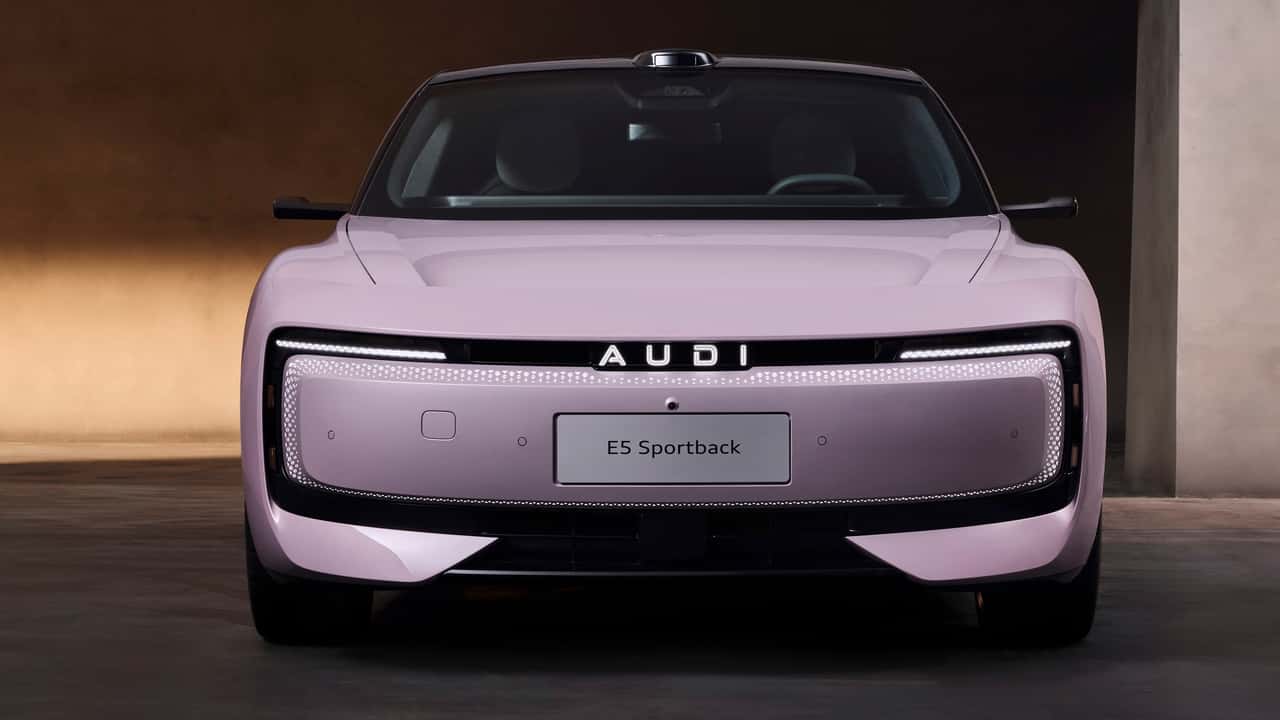


Ten thousand cars. That’s all the ringless AUDI brand has managed to sell since its E5 Sportback launched in China last September. Now the joint venture between Audi and state-owned SAIC is doubling down, confirming a third model — a high-end electric sedan — for 2027.
Fermín Soneira, CEO of the Audi-SAIC Cooperation Project, told Reuters the sedan will be a “sporty model for the high-end market.” Engineers need just two years to develop it, he said, because the car only has to meet Chinese regulations. No global homologation. No European crash standards. No EPA certification. Just China.
That’s the whole point of this experiment. Audi created a separate brand, stripped it of the Four Rings, spelled the name out in block capitals, and handed the keys to SAIC’s development pipeline. The goal: match “China speed,” the breakneck pace at which domestic automakers conceive, engineer, and ship vehicles while legacy players are still debating interior trim options.
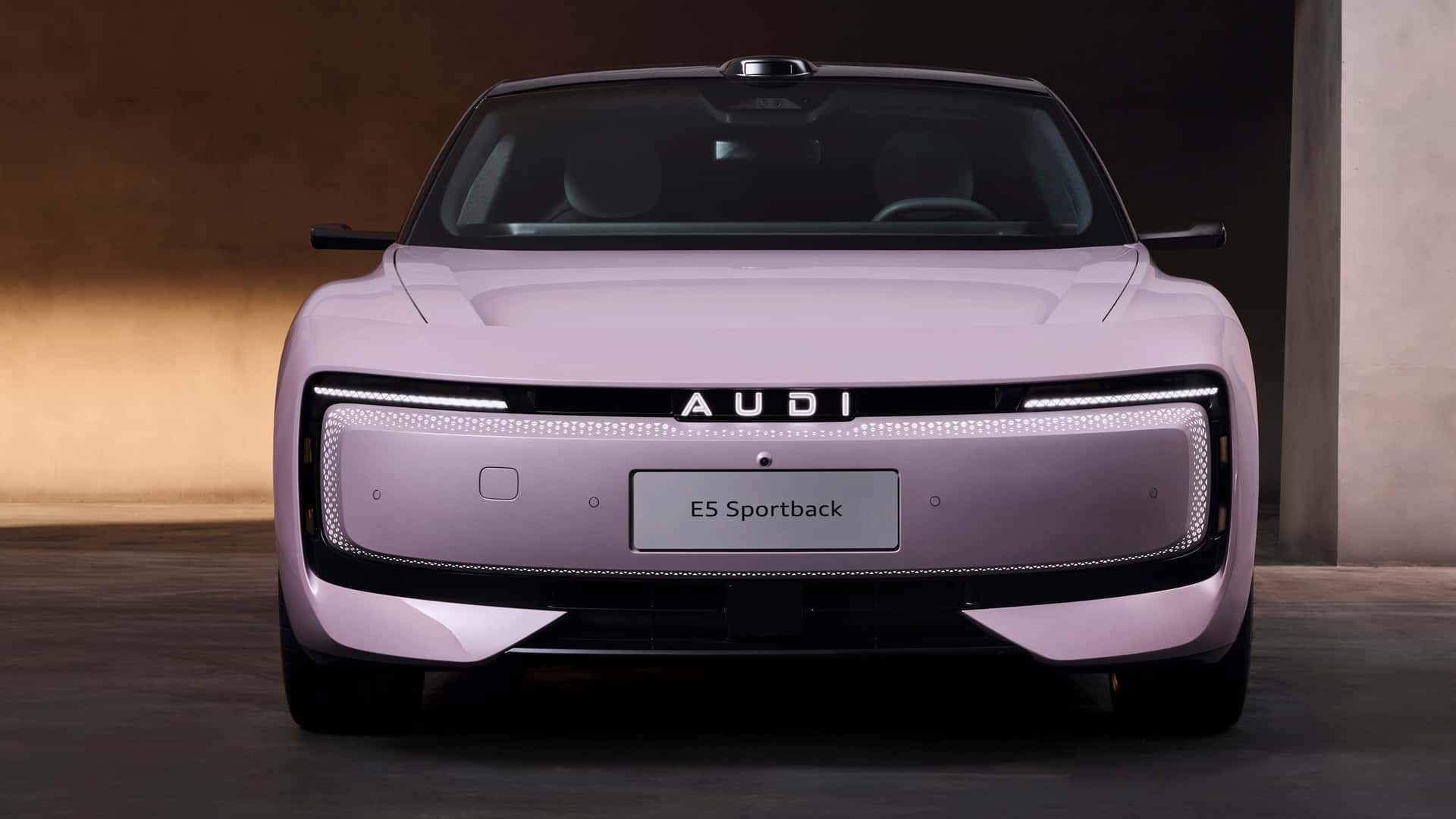
The sedan will join the E5 Sportback — a lifted wagon-SUV hybrid — and the E7X, a proper SUV arriving in the second quarter of this year. All three are pure electric. All three target younger, affluent Chinese buyers who apparently want something that looks nothing like a traditional Audi. The interiors and exteriors share zero DNA with anything in Ingolstadt’s global portfolio.
A sedan makes strategic sense for this market. Chinese buyers still love the three-box shape with a proper trunk lid. Audi already knows this — the A5 sold in China is a conventional sedan, while every other market gets a liftback.
The new AUDI sedan will push upmarket, though exactly how far remains unclear. There’s an obvious collision course with the A6L E-Tron, Audi’s other China-only electric sedan developed through a completely separate joint venture with First Automotive Works.
Two joint ventures. Two state-owned partners. Two electric sedans aimed at the same wealthy Chinese consumers. Audi is competing with itself, which tells you everything about how desperate the German luxury establishment has become in a market that’s slipping away from it.
The competitive pressure is real and relentless. BYD, NIO, Xpeng, and a dozen other Chinese brands are eating into the luxury segment with sophisticated EVs at aggressive prices. Audi’s traditional formula — badge prestige, German engineering mystique, and dealer networks built over 37 years since its 1988 entry through FAW — isn’t enough anymore.
So Audi did something almost unthinkable. It created a sub-brand that deliberately abandons its most recognizable asset, the interlocking rings, in favor of a wordmark. It outsourced development speed to a Chinese partner. And it walled the whole thing off from its global operations, free from the bureaucratic drag of meeting regulations in 50 countries simultaneously.
Whether 10,000 units in roughly seven months constitutes a success is debatable. In a market where competitors measure monthly sales in the tens of thousands, it’s a modest start. The E7X should help broaden the lineup’s appeal, and a sporty flagship sedan could give the brand some aspirational pull it currently lacks.
But the larger tension is impossible to ignore. Audi is admitting, through its actions, that its own global development process is too slow to compete in the world’s largest car market. The solution was to build a parallel brand that operates by Chinese rules, at Chinese speed, on Chinese terms.
The Four Rings didn’t make the cut. The name, barely, did.
The A8 dies this year with no immediate successor. AUDI’s sedan won’t replace it. But a German luxury icon launching a ringless Chinese electric brand to stay relevant tells you where the center of gravity in this industry has shifted — and how far established players will bend to keep up.
Share this Story