
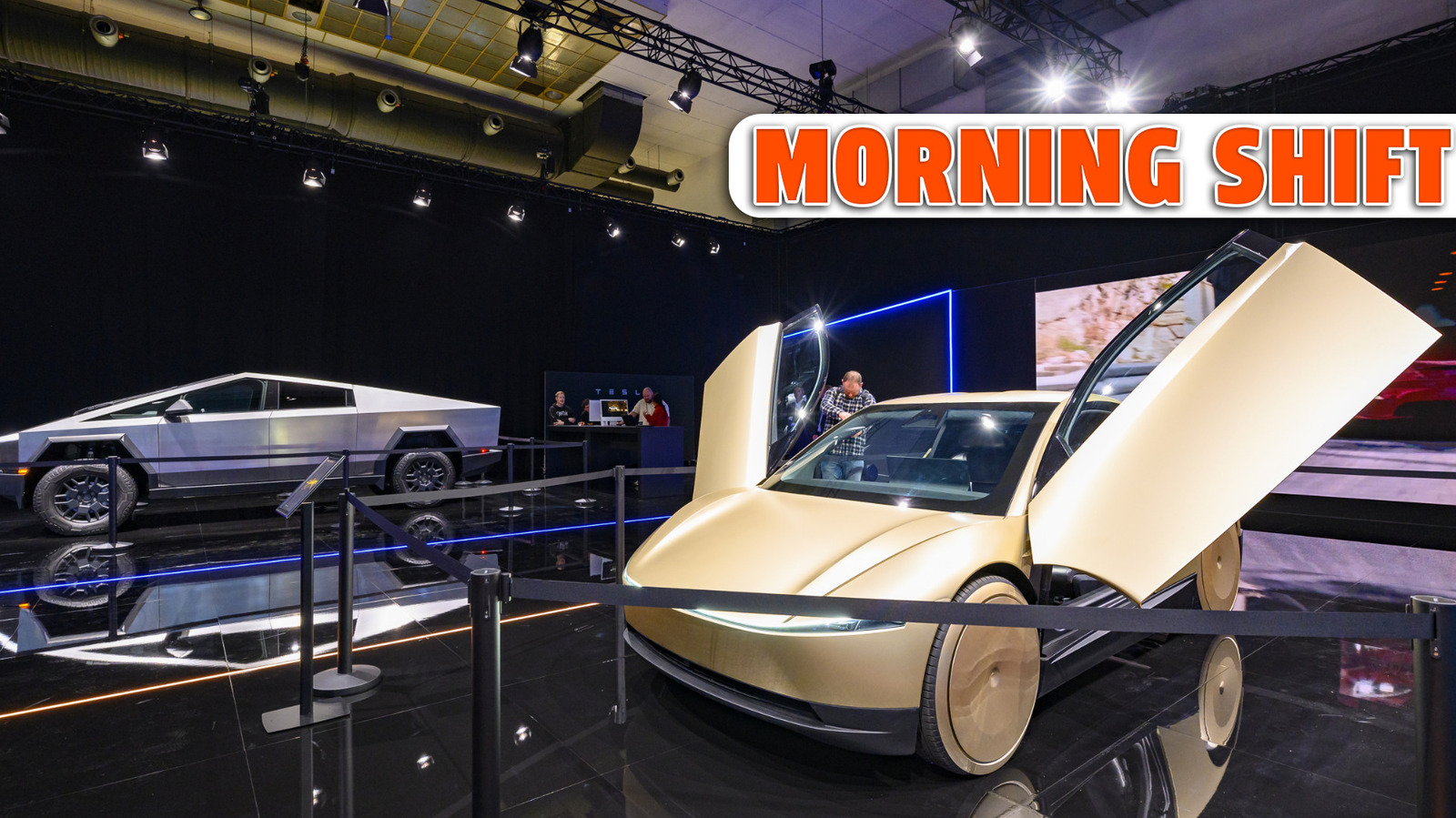


Tesla posted urgent job listings across nine Chinese cities this month for autopilot test engineers, data labelers, and real-world test operators. The hiring spree covers Beijing, Shanghai, Wuhan, and Guangzhou — the beating heart of China’s auto and tech industries — as the company tries to get its Full Self-Driving software approved and running in the world’s largest car market.
The problem is that Tesla is showing up late to a fight it’s already losing.
Elon Musk initially expected FSD to launch in China as early as February. That timeline slipped. Executives now say regulatory approval won’t come until the third quarter at the earliest, according to Bloomberg. Meanwhile, Xiaomi and Huawei have been building their own driver-assistance systems tailored specifically for Chinese roads, Chinese regulations, and Chinese consumer expectations.
Tesla’s market share in China has been eroding steadily. FSD — which still requires constant human supervision despite its name — is supposed to be the cavalry. But hiring test drivers and data labelers now, months after the original target launch, tells you exactly how far behind the company really is.
This isn’t a moonshot. It’s a scramble.
Elsewhere, the tariff picture in the U.S. continues to blur into a kind of absurdist comedy. Automakers are finally starting to pass tariff costs downstream to consumers, but experts say the impact should be minimal. Not because the costs are small, but because new-vehicle prices already top $50,000 on average, and buyers are so numb to unaffordability that a few thousand more barely registers.
“Everything feels so unaffordable,” said Jennifer Myers, CMO at Kunes Auto & RV Group. “I don’t even know if people are noticing that this one’s a little more unaffordable than this one.”
Dealers are leaning on brand loyalty, salesmanship, and used-vehicle inventory to cushion the blow. The cynical read is that the market has already priced in despair.
On the other side of the Atlantic, Stellantis and China’s Dongfeng announced a joint venture to build electric vehicles in France. Stellantis takes a 51 percent stake; Dongfeng gets 49 percent and, crucially, a way around European Union tariffs on China-made battery-electric and extended-range EVs. Production will be localized at a Stellantis plant in Rennes.
Stellantis has been looking to fill excess factory capacity in Europe. Dongfeng has been looking for a tariff-proof entry point into the EU. The arrangement is transactional in the most transparent way possible, and both sides seem perfectly comfortable with that. Dongfeng will also build Jeeps in China as part of the deal, which opens a whole other can of questions about where brands end and supply chains begin.
And in recall news, Hyundai is pulling back 54,337 Elantra Hybrids from the 2024 through 2026 model years over a fire risk tied to overheating in the hybrid power control unit. NHTSA says high electrical loads can cause the unit to overheat, potentially leaving the vehicle unable to start or stuck in reduced-power mode. The fix, oddly enough, is software-based — a detail that should either reassure owners or terrify them, depending on how much faith they place in a patch standing between their commute and a fire.
Four stories, one thread: the entire industry is improvising. Tesla is hiring urgently for technology that should have launched months ago. Automakers are shrugging at tariffs because prices are already absurd. Stellantis is building Chinese cars in France to dodge trade barriers. And Hyundai is fixing a hardware fire risk with software. Nobody has a clean plan. Everybody is adapting on the fly.
Share this Story