


Audi is changing the guard at its most strategically important factory in China, replacing the man who built the place with someone the company hopes can actually sell what it produces.
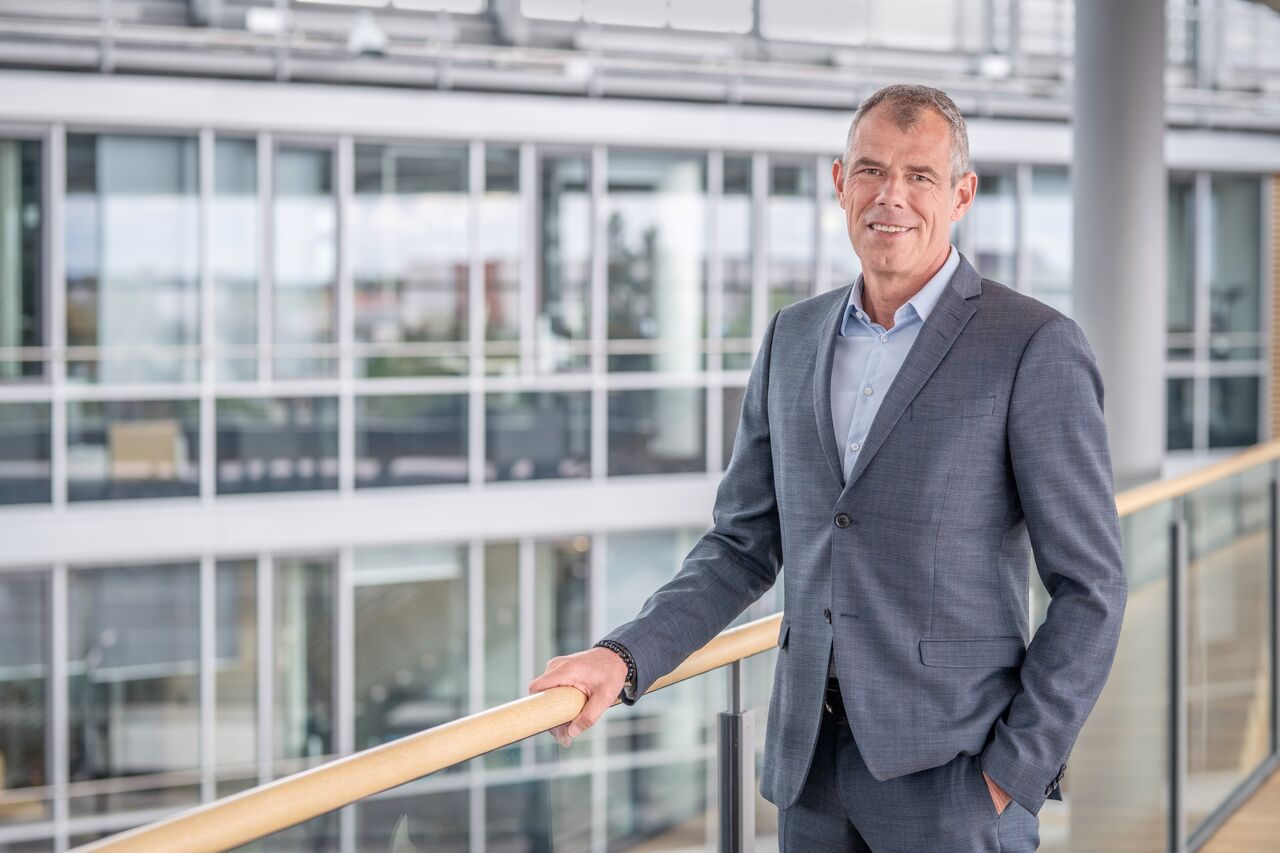
Jörg Menges takes over as CEO of Audi FAW NEV Company on April 1, succeeding Helmut Stettner, who spent five years standing up Audi’s first dedicated electric vehicle production site in Changchun. Stettner heads back to Ingolstadt. The press release calls it a successfully completed tenure, but the timing tells a more complicated story.
Audi FAW NEV launched its first two products, the Q6L e-tron and Q6L Sportback e-tron, in 2025, with the A6L e-tron waiting in the wings. That plant exists for one reason: to give Audi a locally built, locally competitive electric lineup in the world’s largest EV market. The factory is up, the cars are rolling, and now, barely a year into actual production, Audi is swapping leadership.
Menges brings 31 years in the auto industry and, crucially, direct experience in Changchun. He previously served as plant manager at FAW-Volkswagen, the broader joint venture that has been Audi’s bread and butter in China for decades. He knows the local production culture, the supplier networks, the political landscape.
Since 2022, he’s led product engineering at Audi headquarters. The combination of factory-floor credibility and engineering authority is deliberate.
Gerd Walker, Audi’s board member for production and logistics, called Menges “a strong strategist and proven production expert” who will “lead the company into the next phase.” That phrase, next phase, is doing a lot of heavy lifting. The first phase was construction and launch, and the next phase is volume, margin, and market share against Chinese competitors who are faster, cheaper, and deeply entrenched.
The Chinese EV market has become a brutal arena. BYD, NIO, Xpeng, and a half-dozen others have reset consumer expectations on technology, pricing, and speed of iteration. Legacy European brands that once commanded effortless premiums in China now fight for relevance.
Audi’s answer was this Changchun plant, purpose-built, joint-ventured with state-owned FAW, designed to produce vehicles tailored specifically for Chinese buyers. The longer wheelbases on the Q6L and A6L models aren’t cosmetic choices. They’re survival tactics.
Stettner did the hard work of getting the site operational. Walker thanked him for being there “from the very first second.” But building a factory and winning a market are different jobs requiring different skills, and Menges is being positioned not as a caretaker but as an accelerator.
The real question is whether Audi’s product cadence can keep up. Three models from a single plant, two already launched and one imminent, is a start. It is not enough.
Chinese consumers cycle through new models the way Western buyers browse phone upgrades. The Changchun facility needs to become a pipeline, not a monument.
Audi is betting that a production veteran with local roots and engineering chops can thread that needle. Menges knows Changchun, he knows FAW, and he knows how Audi builds cars. Whether he can match the pace of a market that has left more than one European brand gasping is the test that matters.
The factory is no longer the achievement. It’s the ante.
Share this Story