
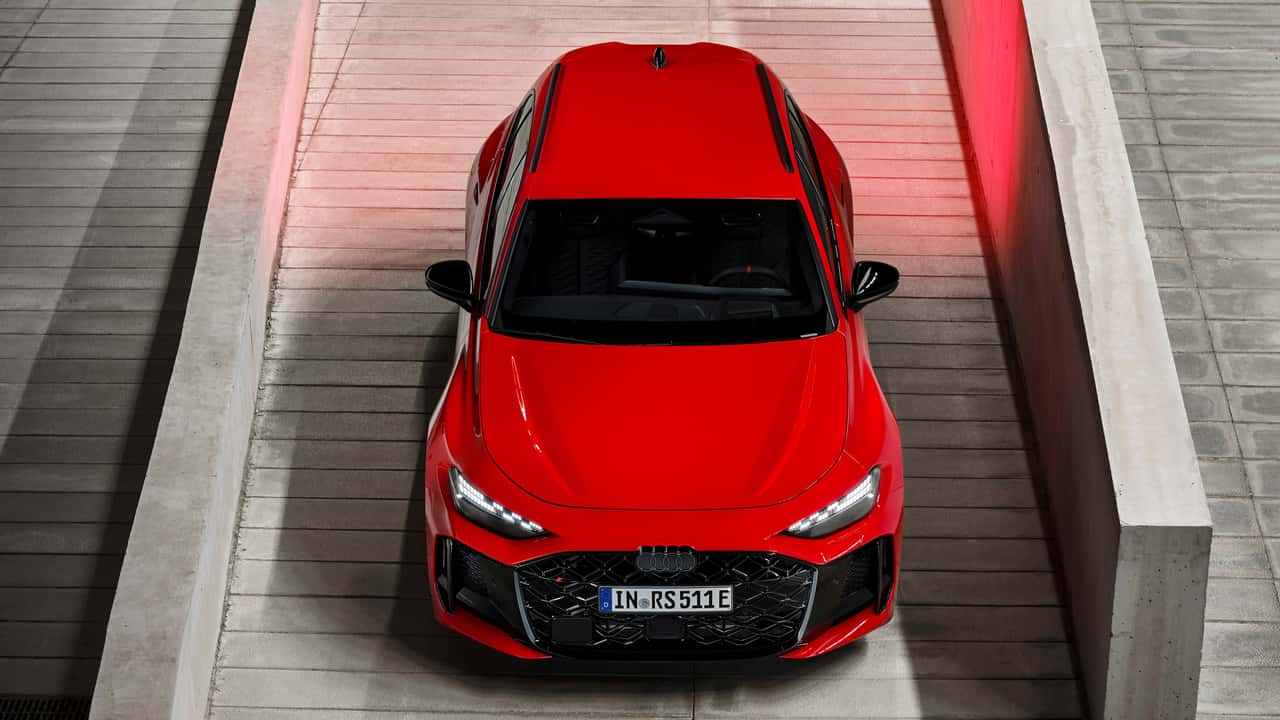


Audi Sport has a weight problem. And rather than apologize for it, they’re leaning into it—literally.
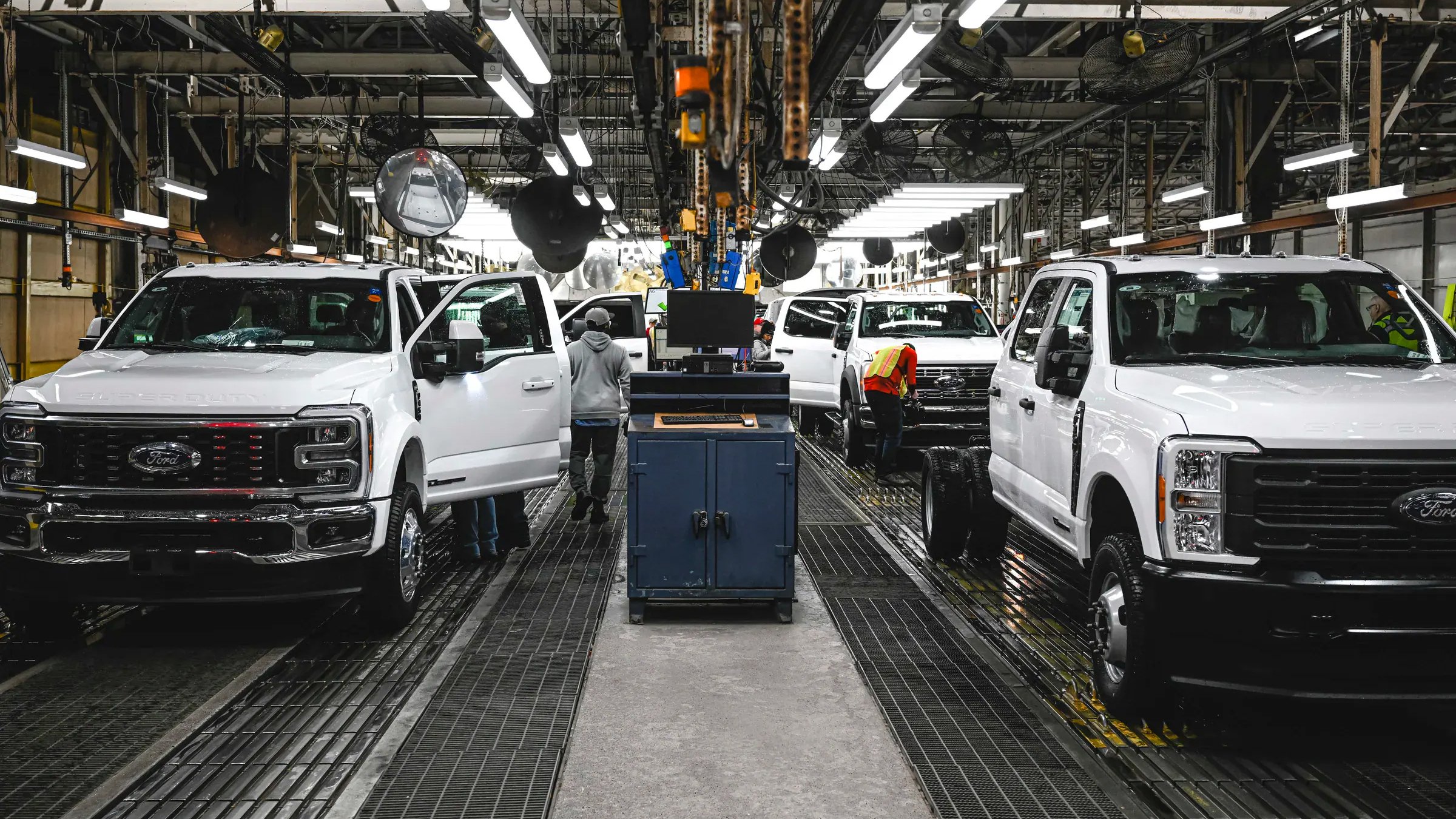
The new RS5, Audi Sport’s first plug-in hybrid performance car, weighs a staggering 5,225 pounds in Avant wagon form. The sedan isn’t much better at 5,192 pounds. For context, that’s heavier than a Ford F-150 XL.
Audi’s managing director of its Sport division wants you to know it still feels “agile and light on its feet.” Sebastian Grams took to LinkedIn to make his case, acknowledging that the switch to a complex PHEV powertrain “does add some weight” but arguing the new hardware opens up fresh possibilities for driving dynamics. He pointed to the electromechanical torque vectoring system on the rear axle and the RS sport suspension as tools that use the hybrid architecture smartly.
The numbers, however, tell a more sobering story.
When the legendary RS2 Avant debuted in 1994, it weighed 3,516 pounds. That Porsche-built pocket rocket was compact, purposeful, and raw. The 2026 RS5 Avant is 1,709 pounds heavier.
That’s not a typo. The new car has gained the equivalent of an adult grand piano over its spiritual ancestor.
Even compared to its direct predecessor, the RS4 Avant B9, the new RS5 wagon has packed on 1,378 pounds. Most of that comes from the 22-kWh battery pack stuffed beneath the cargo floor, which enables up to 53.4 miles of electric-only range in city driving.
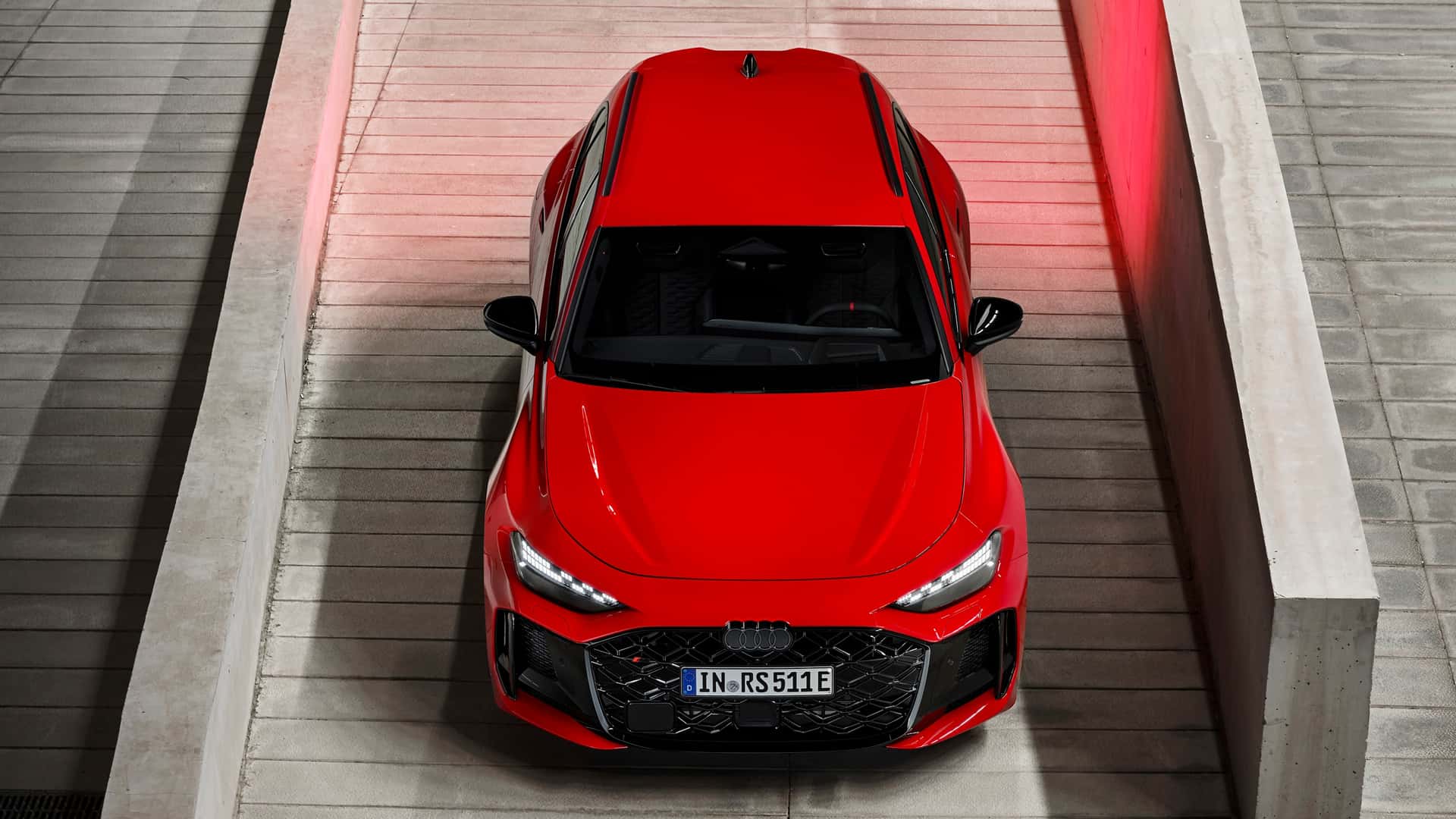
Size plays a role too. The RS2 measured 177.5 inches long and 66.7 inches wide. The new RS5 is over 15 inches longer and more than 10 inches wider. Thirty-two years of evolving safety regulations, crash structures, and technology have ballooned the footprint considerably.
Audi does offer one small concession for weight-conscious buyers. Optional ceramic brakes at all four corners shave about 66 pounds compared to the standard steel units. It’s practically a rounding error on a car this heavy, but at least the option exists.
The real question is whether Audi’s engineering can genuinely make a 5,200-pound car dance. Torque vectoring and adaptive suspension are sophisticated tools, and electric motors can deliver instant response that masks inertia in straight-line driving. But physics doesn’t negotiate. Weight punishes braking distances, tire wear, and cornering loads regardless of how clever the software is.
Grams and his team aren’t making these choices in a vacuum. This is a survival strategy. European emissions regulations have forced every performance brand down the same path.
Mercedes-AMG and BMW M have already gone hybrid with their flagships, and Audi Sport is following suit. The electric range offsets CO2 figures enough to keep these cars legal on European roads. Without the plug, there might not be an RS car at all.
That’s the uncomfortable bargain enthusiasts now face. The combustion engine gets to live on, but it brings a battery-powered chaperone and an extra half-ton of baggage.
The RS5 also sets the stage for what’s coming next. An even larger and heavier RS6 Avant is expected in the coming months, likely packing an electrified V8 shared with a returning RS6 sedan. If the RS5 already weighs more than many full-size SUVs, the RS6 could push into genuinely absurd territory.
Journalists will get their chance to verify Audi’s claims soon enough. Until then, the pitch remains: trust us, you won’t feel the weight. It’s a bold ask when the scales don’t lie and the RS5 is carrying nearly 800 extra pounds compared to its non-hybrid predecessor.
Performance cars must now get fatter to survive. Audi knows it. They just hope you’ll forgive it once you mash the throttle.
Share this Story